How to Decide the Best Time to Travel and Avoid Crowds in Popular Destinations
Traveling is one of life’s greatest joys, but the experience can be dramatically affected by when you choose to go. Crowds can transform a dream destination into a chaotic, expensive, and stressful experience. Whether you’re planning a family vacation, a romantic getaway, or a solo adventure, timing is crucial to maximizing your enjoyment and minimizing the hassle of overcrowded attractions, inflated prices, and long wait times. In this guide, we’ll explore how to determine the best time to travel, avoid crowds, and make the most of your journey—without sacrificing quality or comfort.
Why Timing Matters in Travel Planning
The timing of your trip impacts everything from the cost of your accommodations to the serenity of your surroundings. Popular destinations often experience seasonal fluctuations in visitor numbers, driven by holidays, weather, and local events. For example, tropical beaches may draw millions in the summer months, while ski resorts are bustling in winter. Understanding these patterns can help you avoid the worst of the crowds and enjoy a more authentic, affordable, and enjoyable experience.
Comparing flight prices across 100+ carriers before you book usually takes 30 seconds with Aviasales – the search pulls real-time fares and shows you the cheapest dates at a glance. Aviasales
Travelers who plan strategically can also take advantage of lower prices, exclusive deals, and quieter attractions. Whether you’re chasing the golden hues of fall foliage or the vibrant energy of a local festival, aligning your trip with the right season can make all the difference. Let’s dive into the key factors to consider when deciding when to travel and how to avoid crowds in popular destinations.
Understanding Peak Seasons
Peak seasons are periods when a destination experiences the highest demand due to favorable weather, holidays, or special events. During these times, hotels, flights, and attractions are often at maximum capacity, and prices can skyrocket. While peak seasons offer the advantage of ideal weather, they come at the cost of overcrowding and higher expenses.
For example, European cities like Paris and Rome see their peak season from June to August, when the weather is warm but the streets are packed with tourists. Similarly, Caribbean islands attract millions during the winter months (November to April), offering a perfect escape from colder climates but at a premium price.
If your goal is to avoid crowds, it’s essential to identify these peak periods for your destination. Research the local calendar to determine when the busiest times occur and plan your trip around them. For instance, visiting Europe in May or September can offer pleasant weather with far fewer tourists compared to the summer months.
Holidays and Events: Hidden Crowd Triggers
While general peak seasons are well-documented, holidays and events can cause sudden spikes in crowds that are harder to predict. Local festivals, international events, and religious holidays often draw large numbers of visitors, even in off-peak months. For example:
- Christmas and New Year’s Eve: Cities like Barcelona and Sydney become packed with tourists celebrating the holidays, despite being in the winter season.
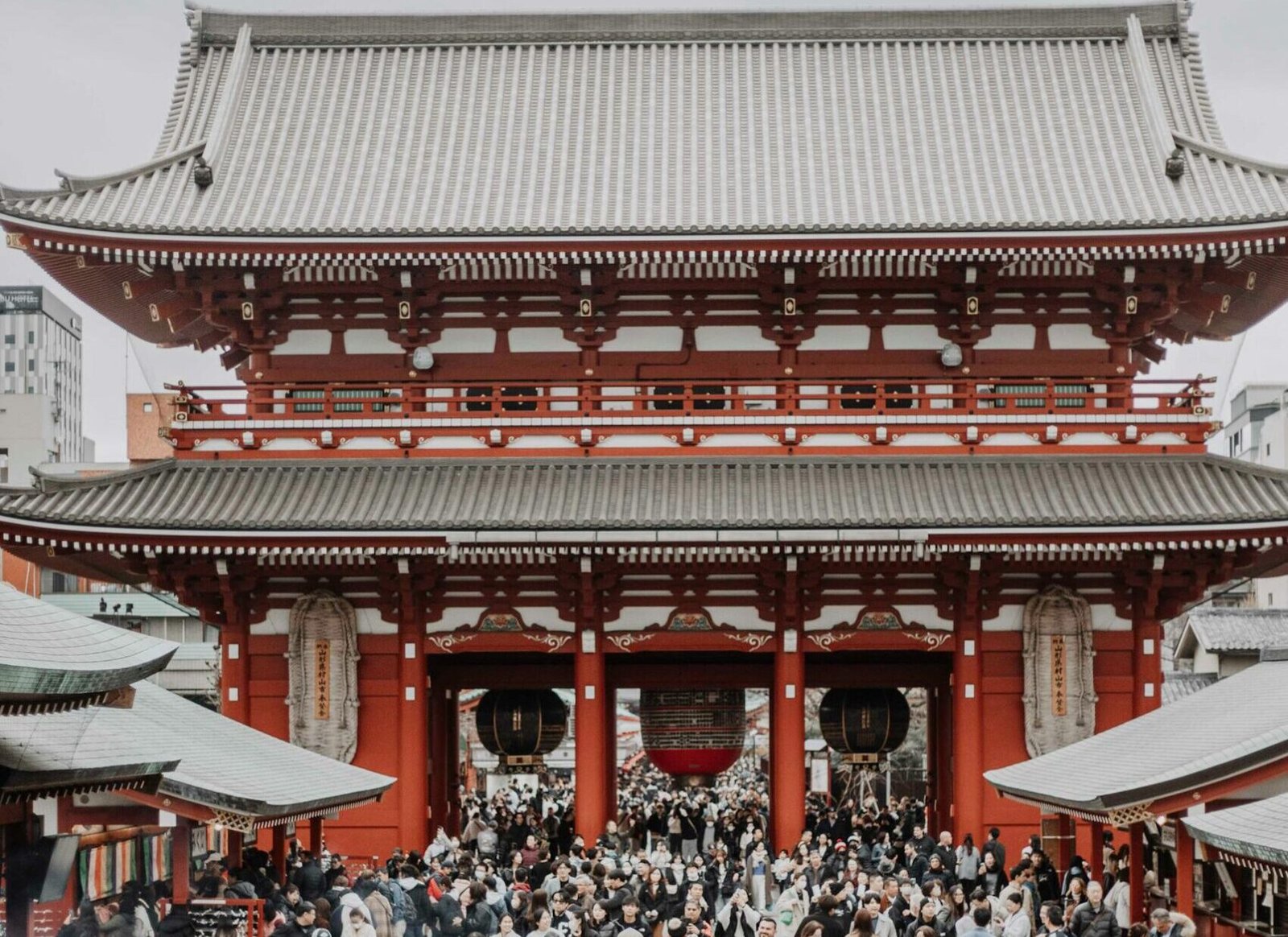
- Local Festivals: Events like Japan’s Cherry Blossom Festival in spring or India’s Diwali Festival in October can transform a destination into a tourist hotspot.
- Sports Events: Major events such as the FIFA World Cup or the Olympics can dramatically increase visitor numbers in host cities.
To avoid these crowds, consider traveling just before or after such events. For instance, visiting Japan in early March (after the cherry blossoms have bloomed) or attending a smaller, lesser-known festival can help you experience the destination without the overwhelming crowds.
Shoulder Seasons: The Goldilocks of Travel Timing
Shoulder seasons refer to the periods between peak and low seasons. These times often offer the perfect balance of favorable weather, lower prices, and fewer crowds. For many travelers, shoulder seasons are the ideal time to visit popular destinations.
For example, spring (March to May) and fall (September to November) in many parts of Europe are considered shoulder seasons. The weather is mild, the crowds have thinned, and hotels and flights are more affordable. Similarly, visiting tropical destinations like Bali or the Maldives in the shoulder months (April to May or September to October) can mean fewer tourists and the same stunning beaches.
However, it’s important to note that shoulder seasons can still be affected by local events or weather changes. Always check the forecast and event calendar to ensure your plans align with your preferences.
Destination-Specific Tips for Avoiding Crowds
Every destination has unique crowd patterns based on its geography, culture, and tourism industry. Here are some examples of how to time your trip for popular spots:
- Paris, France: Avoid June to August and December. The best times are April to May and September to November.
- Japan: Cherry blossom season (March to April) and autumn foliage (October to November) are popular but crowded. Consider visiting in January or February for a quieter experience.
- Costa Rica: The dry season (December to April) is peak, but the shoulder months (May to June and November) offer fewer crowds and manageable weather.
- Maui, Hawaii: Peak season is December to April. Shoulder months like May and September provide calmer beaches and lower prices.
By tailoring your travel dates to the specific patterns of your destination, you can enjoy a more personalized and relaxing experience.
Tools and Resources for Planning the Perfect Trip
With so many variables to consider, planning the best time to travel can feel overwhelming. Fortunately, there are numerous tools and resources to help you make informed decisions:
- Travel Forums and Blogs: Platforms like Reddit’s r/travel or travel blogs often share firsthand accounts of crowd levels and seasonal tips.
- Tourism Board Websites: Official tourism sites provide detailed information on peak seasons, events, and local recommendations.
- Crowd Level Apps: Tools like Crowd Calendar or Google Flights’ Price Forecast help track real-time crowd data and price trends.
- Historical Data: Apps like Weather.com or AccuWeather can help you analyze past weather patterns and seasonal trends.
By leveraging these resources, you can fine-tune your travel dates to align with your priorities—whether that’s avoiding crowds, securing the best prices, or experiencing a destination in its most beautiful season.
Weather vs. Crowds: Finding the Right Balance
One of the most challenging decisions in travel planning is balancing ideal weather with crowd levels. While sunny skies and warm temperatures are tempting, they often come with the trade-off of larger crowds and higher costs. Conversely, visiting during the shoulder or low season might mean slightly less favorable weather but a more tranquil experience.
For example, Patagonia’s best hiking season (November to March) coincides with peak tourist months, but visiting in October or April can offer cooler weather with fewer hikers. Similarly, the Galápagos Islands have a dry season (June to November) that is popular among tourists, but the wet season (December to May) can be just as rewarding with fewer visitors and lush landscapes.
Consider what matters most to you: Is it the weather, the availability of activities, or the ability to explore in peace? Prioritizing your preferences will help you make a decision that aligns with your travel goals.
Flexible Travel Planning: Adapting to Changing Conditions
Even the most well-researched plans can be disrupted by unexpected events, such as natural disasters, political unrest, or global pandemics. Flexibility is key to navigating these challenges and ensuring a smooth travel experience.
Here are some tips for staying adaptable:
-
- Book with Cancellation Flexibility: Choose hotels and flights with free cancellation policies to adjust your plans if needed.
- Travel During Off-Peak Days: Weekdays often have fewer crowds than weekends, especially for attractions like museums or theme parks.
Monitor Local News: Stay updated on travel advisories and local conditions to make informed decisions during your trip.
By building flexibility into your plans, you can respond to changing circumstances and make the most of your journey, no matter what challenges arise.
Conclusion: Plan Smart, Travel Better
Deciding when to travel is as important as deciding where to go. By understanding peak seasons, holidays, and local events, you can avoid the worst of the crowds and enjoy a more meaningful, affordable, and enjoyable experience. Whether you’re chasing the perfect weather, exploring a destination during its quieter months,