
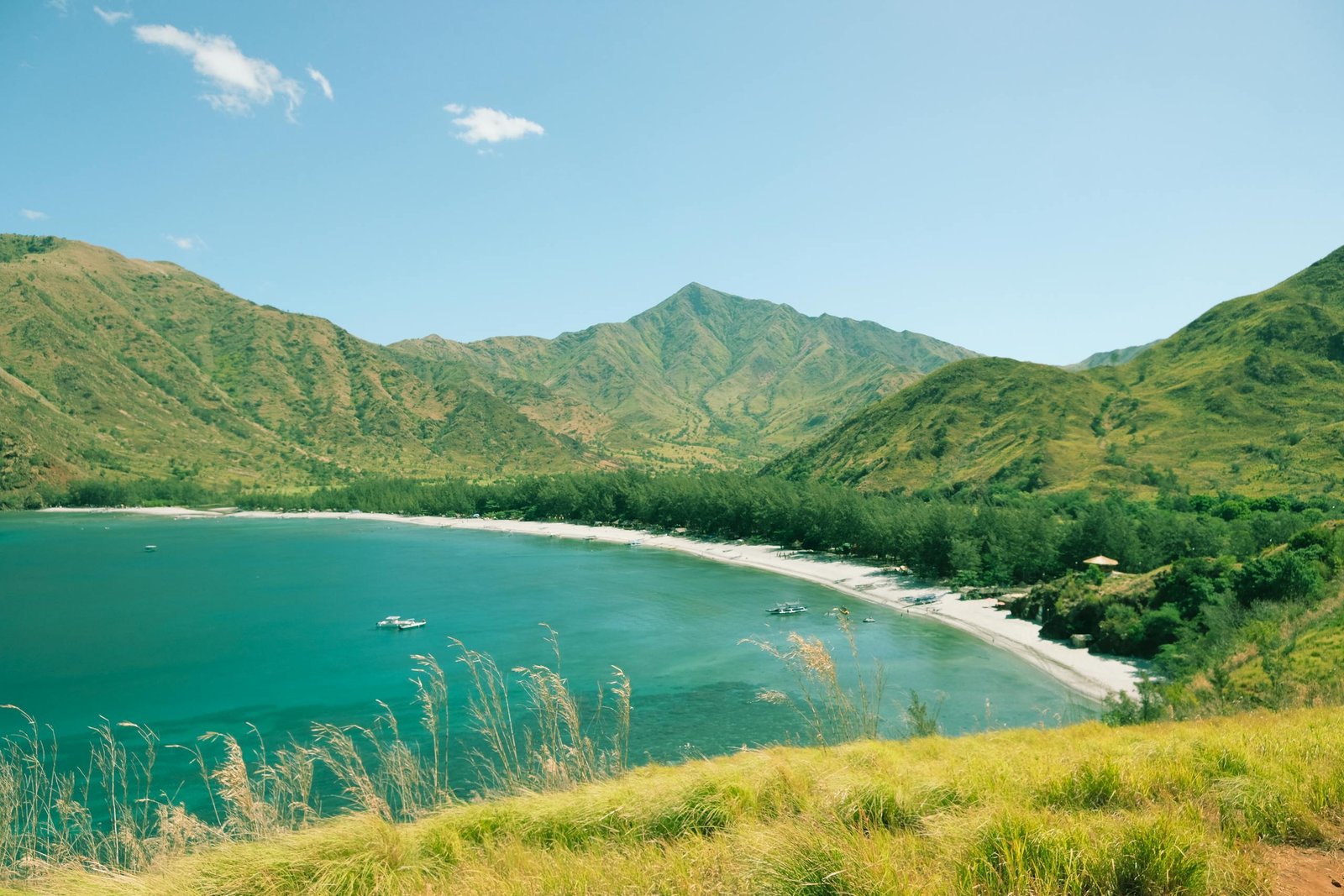
Picture this: You’re standing at a crossroads, literally and metaphorically. To your left, a sun-drenched coastline stretches into the horizon, waves whispering promises of serenity. To your right, snow-capped peaks pierce the sky, their shadows casting an allure of adventure. You’ve faced this choice before—beach or mountains—and you’ll face it again. But what if this time, you could decode the clues your preferences are giving you? The answer isn’t just about landscapes; it’s about the rhythm of your soul, the seasons of your spirit, and the stories you want to write in sand or snow.
The Call of the Coast: When Beaches Win
There’s a reason beach vacations have been humanity’s default escape for millennia. The ocean doesn’t just offer a change of scenery—it offers a recalibration of the self. Think of the Pacific Coast Highway in California, where Highway 1 curves along cliffs battered by waves, or the white sands of St. John in the U.S. Virgin Islands, where the water is so clear it feels like diving into a liquid mirror. These are places where time dilates. You don’t just visit a beach; you surrender to it.
Beaches thrive on warmth, both literal and metaphorical. If you’re someone who craves year-round sun, think of destinations like San Diego, where even in winter, the mercury rarely dips below 50°F. Here, water sports become your playground—kayaking through bioluminescent bays, snorkeling in coral gardens, or simply floating in the saltwater, muscles dissolving into relaxation. The energy is electric, too: beach towns buzz with open-air markets, sunset yoga, and bonfires where strangers become friends over shared pinot grigio and grilled corn.
Yet the beach’s magic lies in its duality. You can have it both ways: a day of adrenaline (jet-skiing, parasailing) followed by an evening of stillness, toes in the sand, listening to the hush of waves. Coastal retreats often double as gateways to culture—think Miami’s Art Basel or the Amalfi Coast’s medieval villages. But if you’re seeking total disconnection, the beach delivers that, too. No Wi-Fi? No problem. Just the sound of the sea and the scent of coconut sunscreen.
Still, beaches aren’t all idyll. Crowds peak in summer, and the “relaxation” can feel performative if you’re not attuned to the rhythm. If your idea of a perfect day involves more than a cocktail menu and a beach towel, the mountains might be whispering your name. But let’s not rush to the summit yet.
Mountain Magic: Why Peaks Matter
Mountains speak a different language—one of verticality, silence, and raw power. Picture yourself in the alpine town of Vail, Colorado, where the air is thin but the views are thicker. Here, the world narrows to the slope beneath your skis, the crunch of snow underfoot, and the glow of a fire in a log cabin where elk antlers adorn the walls. Mountains aren’t just a destination; they’re a pilgrimage for those who crave challenge and connection to the earth’s bones.
Winter transforms mountains into playgrounds for the bold. Skiing and snowboarding are obvious draws, but the magic extends beyond the slopes. Think horse-drawn sleigh rides through pine forests, hot springs steaming in subzero air, or cross-country skiing beneath a canopy of stars. Even in summer, mountains offer their own rewards: hiking trails that lead to glacial lakes, rock-climbing routes that test your nerve, and the surreal beauty of fall foliage when aspens ignite in gold. The seasons here are chapters in a living story.
Then there’s the architecture of comfort. Mountain lodges and chalets aren’t just functional—they’re theatrical. Imagine a stone fireplace crackling as you sip a spiced mulled wine, the scent of pine wafting through the air. These spaces are designed to cocoon, to make you feel like you’ve stepped into a fairy tale. And let’s not forget the cuisine: après-ski spots serve dishes that are as hearty as the landscape, from fondue to wild mushroom risotto, paired with local wines that taste like the terroir itself.
But mountains demand respect. The altitude can be a hurdle; some people acclimatize easily, while others spend days battling headaches and nausea. The isolation, while part of the charm, can also feel daunting if you’re not wired for solitude. If your idea of a good time is a crowded beach bar rather than a silent summit, the beach might still be your compass. But if you’re drawn to the idea of standing at the edge of a cliff, wind in your hair, heart racing not from a cocktail but from the climb—itself, then you’ve found your match.
Seasons of Decision: Timing Is Everything
Let’s address the elephant in the snow: timing. Beaches and mountains are, for many, seasonal propositions. Coastal getaways shine in spring, summer, and early fall, when the water is warm enough to swim and the sun lingers long enough for a proper sunset. Think of the Hamptons in July, where the air is thick with salt and lobster rolls, or Phuket in May, when monsoons haven’t yet arrived. But head to a beach in January, and you might find yourself bundled in a wetsuit, shivering through a “winter” that feels more like a tax on optimism.
Mountains, meanwhile, are in their prime during the snow seasons—typically November to April in the Northern Hemisphere. Ski resorts like Whistler in Canada or Zermatt in Switzerland become hubs of activity, with slopes packed and chalets booked months in advance. But even in summer, mountains offer respite from the heat. Think of the Swiss Alps in August, where temperatures hover around 60°F, or the Sierra Nevada in California, where wildflower meadows burst into color after a wet spring. The key is knowing when each landscape reveals its best self.
However, the “season” rule isn’t absolute. Some beaches, like those in Florida, stay warm year-round. Some mountains, like the Rockies, offer fall foliage hikes that rival any autumn drive. The lesson here is flexibility. If you’re rigid in your expectations, you might miss out on a hidden gem—like snorkeling in a Caribbean beach in December or skiing in the Andes during the Southern Hemisphere’s winter.
This brings us to a broader truth: your vacation is a negotiation between what you want and what the world offers. The beach and the mountains are not just destinations—they’re partners in a dialogue about what you’re ready to receive. And that brings us to the next question: How do you choose when your preferences are, well, conflicted?
Accessibility and Lifestyle: The Hidden Costs of Your Escape
Let’s talk logistics. Beaches often win the accessibility lottery. Coastal cities are usually well-connected by major airports, with direct flights and car rentals readily available. Even remote islands like Maui or Bora Bora have airports that cater to tourists. Getting to a beach is straightforward; getting to a mountain can be an odyssey. Think of Aspen, Colorado, where the nearest major airport is two hours away, or Chamonix in the French Alps, which requires a train ride through the Jura Mountains. These journeys aren’t just about distance—they’re about commitment.
Then there’s the question of infrastructure. A beach town typically offers a range of accommodations, from budget hostels to luxury resorts. Mountain destinations, especially in remote areas, can be hit-or-miss. You might find a charming cabin in the woods, but be prepared for fewer amenities and the possibility of spotty internet. This isn’t always a bad thing—many travelers seek out these remote spots precisely for the lack of modern distractions. But if you’re the type who needs a 24-hour coffee shop or a hotel with a concierge, you might find mountain life frustrating.
Cost is another wildcard. Beach vacations can be expensive during peak season, but they also offer flexibility. You can trade a five-star resort for a Airbnb near the shore and still have a stellar experience. Mountains, by contrast, often require a higher upfront investment, especially for ski packages that bundle lodging, lift tickets, and equipment rentals. Plus, there’s the hidden cost of gear—snow boots, skis, thermal layers—that you probably don’t already own. These expenses can add up quickly, turning a vacation into a financial summit of its own.
Still, for some, the effort is worth it. If you’re willing to trade convenience for the thrill of a mountain vista or the serenity of a secluded beach, you’ll find both landscapes reward that investment. But remember: the best vacation isn’t the most luxurious—it’s the one that aligns with your values, your budget, and your bandwidth.
Finding Your Perfect Balance: Hybrid Destinations and Compromises
What if you love the beach but crave a little mountain air? Or you adore skiing but miss the sound of waves? The modern traveler isn’t bound by binaries. Destinations like Lake Tahoe offer both—ski slopes in the morning, sandy beaches in the afternoon. The same goes for places like Big Bear Lake in California or the Swiss town of Grindelwald, where you can hike to a glacier in the morning and float in a lake by dusk. These hybrid spots are perfect for those who want to straddle both worlds.
Another approach is to split your trip. Book a beachfront condo in Miami for the first week, then fly to Aspen for the second. With today’s flexible travel options, this isn’t just possible—it’s encouraged. Companies like Pacaso specialize in fractional ownership of second homes, allowing you to own a piece of both a beach property and a mountain retreat. This model appeals to those who want to dip into both experiences without the hassle of full-time ownership.
Even within a single destination, you can find balance. For example, the Amalfi Coast in Italy offers coastal luxury but is nestled between the Tyrrhenian Sea and the rugged Sorrento Peninsula. You can spend your days in Positano and your evenings hiking inland to vineyards that cling to the hillsides. Similarly, Costa Rica’s Arenal region lets you zip-line through rainforests by day and relax in hot springs by night. The key is to seek out destinations that offer a mosaic of experiences.
Ultimately, the beach versus mountain debate is less about choosing one and more about discovering what each can teach you about yourself. Maybe you find that you love the solitude of the mountains but need the beach to recharge. Or perhaps you realize that your heart is split, and that’s okay. The most fulfilling vacations aren’t the ones that fit a mold—they’re the ones that surprise you.
FAQ: Answering Your Burning Questions
When is the best time to visit a beach or mountain destination?
Beaches thrive in spring, summer, and early fall, with the exception of tropical locations that offer year-round warmth. Mountains peak during winter for snow sports and in fall for foliage, though many remain accessible for hiking and wildlife viewing in summer. Always check local weather patterns and event calendars to avoid storms or overcrowding.
Are beaches or mountains better for families?
Both can be family-friendly, but it depends on your kids’ interests. Beaches offer kid-friendly activities like swimming, building sandcastles, and exploring tide pools. Mountains provide opportunities for hiking, wildlife spotting, and ski lessons for older children. Consider the age and stamina of your family members before booking.
How do the costs compare?
Beaches can be pricey during peak season but often offer more affordable off-season deals. Mountains, especially ski resorts, tend to have higher upfront costs due to lift tickets and equipment rentals. However, non-ski seasons in mountain towns can be surprisingly budget-friendly, especially if you book mid-week.
Disclaimer
This article is for informational and educational purposes only. Always verify current travel information, visa requirements, entry rules, and health guidance with official government sources and qualified professionals before making travel decisions.