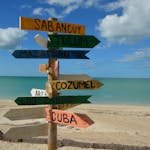

Beach or city is not really a question about scenery. It is a question about what kind of experience you actually want out of this specific trip. The same person can genuinely want both, just not at the same time, and knowing which one you are after settles the decision faster than any list of destination pros and cons.
What the Choice Actually Comes Down To
When the pull is toward seeing and doing a lot, a city usually wins. Museums, neighborhoods, food, history, a packed day that ends with a list of things saved for next time, that is what makes a city trip feel worth it. When the pull is toward slowing down, a beach usually wins. Fewer plans, more quiet, room to actually rest or get real work done without a schedule fighting you for attention. Neither answer is better, they solve for different things, and the honest question is which one this particular trip needs to solve for.
A Real Example: Choosing the Coastal Route Solo
The Camino de Santiago had already been walked once with a group of fellow pilgrims. Going back to walk it again, solo this time, meant a real choice between routes. One option ran more inland, generally hotter, and more heavily walked by other pilgrims. The other followed the coast, starting in Viana do Castelo, Portugal.
The first walk had been about the people, shared meals, conversations along the trail, the community that forms around a group pilgrimage. This one was about something different: solitude, and slowing down after a stretch of real stress. That made the coastal route the right pick, not because it was scenic, but because a quieter, cooler path with fewer pilgrims actually matched what the trip needed to deliver.
Want to compare costs? Comparing Travel Costs Between Countries →
The trip itself ended up including both sides of this decision, not just one. It started in Viana do Castelo itself, a few days spent exploring the city before setting out. Then the walk headed north along the coast, beach and ocean for company instead of inland heat and crowds. City first, beach after, each for the reason it was actually good at.
How to Apply This to Your Own Trip
Start with what this specific trip needs to solve for, not a general preference for cities or beaches as a whole. A few honest questions help:
- Do you want a packed, active trip, or do you want space to slow down? That answer alone points toward city or beach more reliably than the destination’s reputation does.
- What state are you coming into this trip in? Stressed and needing quiet pulls differently than energized and wanting to explore, even for the exact same person on a different trip.
- Does the trip actually have to be one or the other? A city stretch followed by a beach or coastal stretch, or the reverse, can deliver both without forcing a single choice.
Once you know which experience you are actually solving for, comparing the real cost of city and beach options for that destination is the next practical step, covered in our guide to comparing travel costs between countries.
FAQ: Beach Trip or City Trip
- How do I decide if I am genuinely torn between the two? Ask what this specific trip needs to solve for right now, rest or stimulation, rather than which type of destination you generally prefer. The answer often changes trip to trip.
- Can one trip include both a city and a beach? Yes. A city stretch followed by a coastal or beach stretch works well when the destination allows it, and it does not require treating the choice as either/or.
- Does travel style change between trips for the same person? It can and often does. The same traveler can want a busy city trip one time and a quiet beach trip the next, depending on what they need at that point.
This article is for informational and educational purposes only. Always verify current travel information, visa requirements, entry rules, and health guidance with official government sources and qualified professionals before making travel decisions.
Your next step
City vs. Nature Travel: Which Is Right for You? →