Traveling With Infants (0–18 Months): A Calm System for Flights, Sleep, Feeding, and Packing
Traveling with an infant is a thrilling yet challenging experience. From managing sleep schedules to navigating crowded airports, parents often face a whirlwind of stress and uncertainty. However, with the right strategies, it’s entirely possible to create a calm, organized system that ensures a smooth journey for both baby and caregiver. This guide offers comprehensive, step-by-step advice for handling flights, sleep, feeding, and packing with infants aged 0–18 months. Whether you’re embarking on a short road trip or a transcontinental flight, these tips will help you travel with confidence and ease.
Why Preparation is Key
The foundation of a successful trip with an infant lies in preparation. Unlike solo travel, where spontaneity can add to the fun, trips with babies require meticulous planning to anticipate every need. From booking flights at optimal times to packing a checklist that leaves no stone unturned, preparation minimizes surprises and reduces stress. This article breaks down essential strategies for each aspect of infant travel, empowering parents to focus on enjoying their trip rather than managing chaos.
Mastering Flights with Infants
Air travel with a baby can feel daunting, but with the right approach, it becomes manageable. Airlines offer various amenities and policies to assist parents, and understanding these can make a world of difference. Here’s how to navigate flights with confidence:
1. Choose the Right Flight
- Opt for direct flights: Minimizing layovers reduces the risk of delays and disruptions to your baby’s routine. Direct flights also eliminate the stress of transferring gates or waiting in crowded terminals.
- Book early morning or late-night flights: Infants tend to sleep better during these times, especially if they’re accustomed to a routine. A well-rested baby is more likely to remain calm during the flight.
- Consider family-friendly airlines: Some airlines, like Delta and Emirates, offer bassinets, baby meal options, and priority boarding for families. Research airline policies to select the most accommodating option.
2. Prepare for In-Flight Comfort
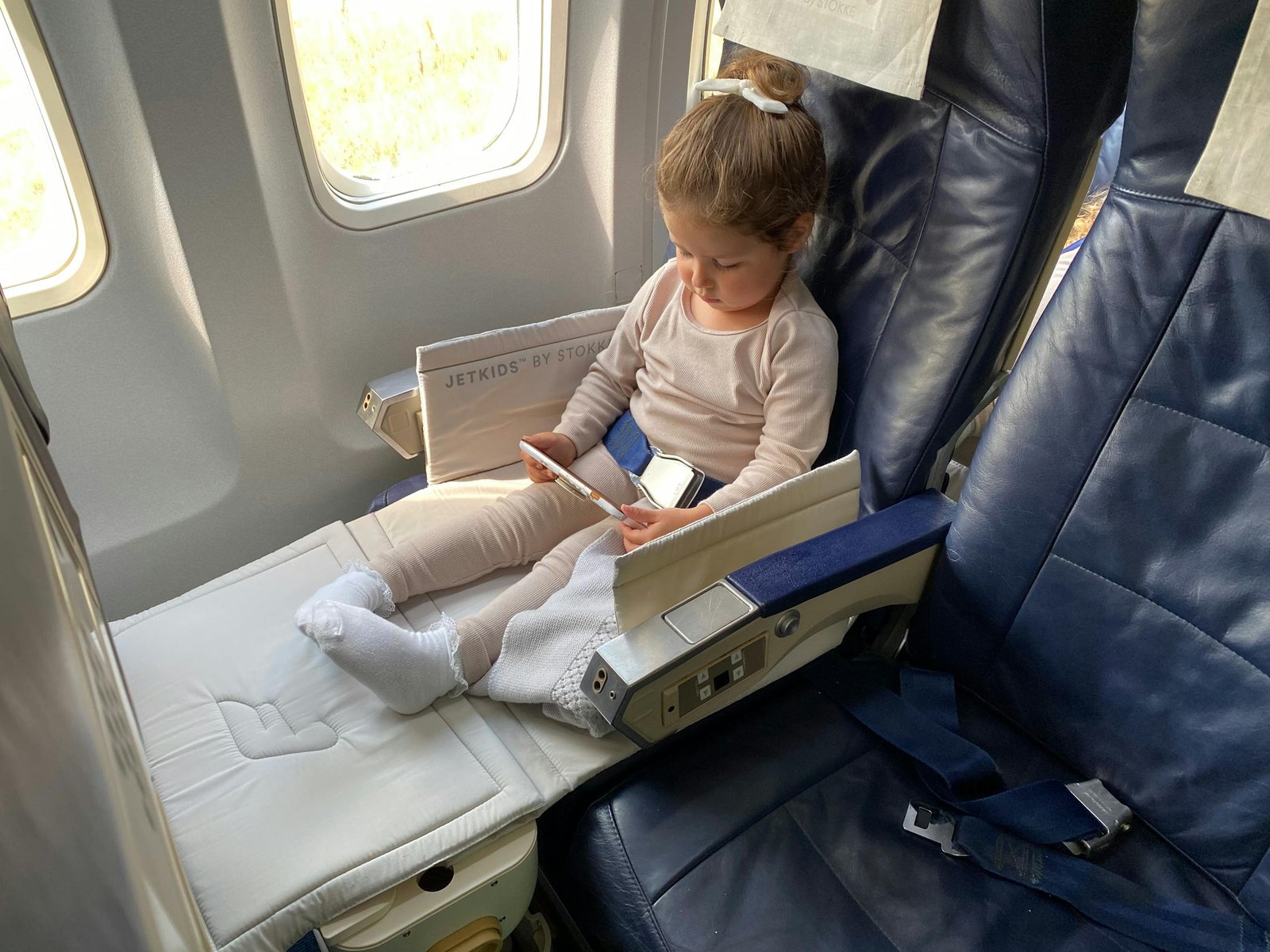
- Use a bassinet: For long-haul flights (over four hours), request a bassinet. These provide a dedicated space for your baby to sleep, freeing up your lap and reducing discomfort.
- Pack a travel-friendly stroller: A lightweight, collapsible stroller is invaluable for navigating airports and boarding the plane quickly. Avoid bulky models that require extra fees.
- Bring noise-canceling headphones: While infants can’t wear them, adults can use these to drown out engine noise and create a calmer environment for the baby.
3. Manage Takeoff, Landing, and Ear Pressure
Changes in air pressure during takeoff and landing can cause discomfort for infants. To ease this:
- Offer a bottle, sippy cup, or pacifier to encourage swallowing and equalize ear pressure.
- Hold your baby upright during these phases to reduce discomfort.
- If your baby is older than six months, consider a mild pain reliever like infant acetaminophen (consult a pediatrician first).
4. Leverage Airline Policies
- Free stroller check: Most airlines allow you to check a stroller for free at the gate, so you don’t have to gate-check it during boarding.
- Extra legroom seats: Request a seat with extra legroom for added comfort, especially if you’re holding a baby for the entire flight.
- Priority boarding: Families with infants are often offered priority boarding. Arrive early to take advantage of this perk.
Creating a Sleep-Friendly Travel Environment
Infants thrive on routine, and travel can disrupt their sleep patterns. However, with intentional planning, you can create a sleep-friendly environment that minimizes disruptions. Here’s how to handle sleep during trips:
1. Adjust Sleep Schedules Gradually
If your trip involves a significant time zone change, start adjusting your baby’s sleep schedule a few days before departure. For example, if traveling east, gradually shift bedtime earlier by 15–30 minutes daily. This eases the transition and helps your baby adapt more quickly.
2. Bring Familiar Sleep Aids
- Favorite blanket or stuffed animal: A familiar object can provide comfort and signal that it’s time to sleep.
- Portable white noise machine: White noise mimics the sounds of the womb and helps drown out unfamiliar noises in hotels or airports.
- Travel crib or portable bassinet: These are compact and easy to set up, ensuring your baby has a consistent sleep space.
3. Stick to Pre-Trip Routines
Replicate your baby’s pre-sleep routine as closely as possible. This includes activities like a warm bath, gentle lullabies, or reading a short story. Consistency is key to helping your baby feel secure and sleepy.
4. Optimize the Sleep Environment
- Dim the lights: Use blackout curtains or eye shades in hotel rooms to simulate nighttime.
- Regulate temperature: Keep the room cool (around 68–72°F or 20–22°C) to promote better sleep.
- Use a sleep sack: A wearable blanket prevents your baby from kicking off covers and staying warm.
5. Be Flexible with Nap Times
If your baby is overtired due to travel, prioritize getting them to sleep—even if it means adjusting nap times. A well-rested baby is more adaptable and less prone to meltdowns.
Feeding Strategies for Traveling With Infants
Feeding an infant while traveling requires forethought and adaptability. Whether you’re breastfeeding, bottle-feeding, or introducing solids, here’s how to manage meals without stress:
1. Plan for Formula or Breastmilk
- Formula-feeding: Pack at least 24 hours’ worth of formula in your carry-on, as checked luggage can be delayed. Use insulated bottles and a portable cooler for freshness.
- Breastfeeding: Research pumping facilities at airports and hotels. Portable breast pumps and disposable bottles are convenient for long trips.
2. Prepare for Solid Foods
If your baby is eating solids (around 6–12 months), bring easy-to-prepare, non-perishable options like:
- Single-serve pouches (e.g., applesauce, yogurt).
- Frozen fruits or vegetables that can be thawed in a cooler.
- Simple finger foods like soft-cooked noodles or avocado.
3. Pack Essential Feeding Supplies
- Extra bottles: Bring more than you think you’ll need. A spare can save you from a meltdown if one breaks.
- Portable sterilizer: UV or steam sterilizers are compact and ensure bottles remain clean between uses.
- Travel-friendly utensils: A spill-proof cup, soft silicone spoon, and a collapsible bowl are must-haves for solid food.
4. Time Meals Strategically
- Feed your baby just before departure to avoid hunger during the trip.
- Align meal times with your baby’s schedule, even if it means adjusting slightly for time zone differences.
- Keep snacks on hand for unexpected hunger spurts.