
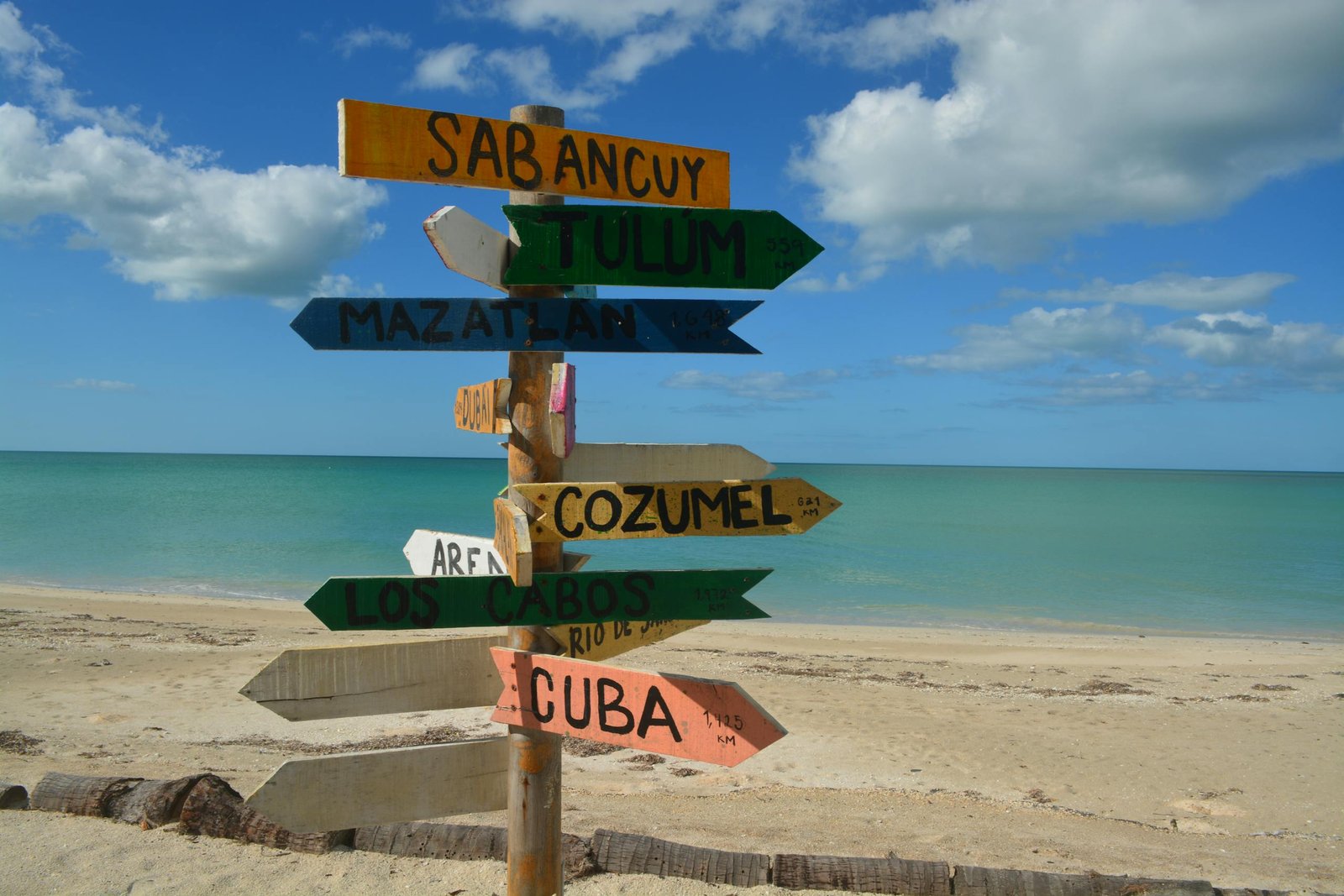
There’s no shortage of places worth going, which is exactly the problem. Endless options don’t narrow themselves. Here’s a practical process for actually landing on one destination, instead of staying stuck comparing all of them indefinitely.
Start With What You Already Know You Want
Before researching anywhere new, think about where you’ve already been and what’s still on your list. Places you’ve visited tell you something real about what you actually enjoy, not just what looks good in photos. Places you haven’t been but keep coming back to in your own head are worth taking seriously too. That combination, what you know you like plus what keeps pulling at you, is a far better starting shortlist than an open-ended “anywhere in the world” search.
Write It Down Before You Compare It
Once a few real candidates come to mind, get them out of your head and onto paper (or a document) where you can actually compare them side by side. Trying to hold two or three destinations’ worth of research in your memory at once is how decisions stall. A dedicated travel planner works well for this exact purpose. Our own Trip Planner is built around this same idea: capture the ideas first, compare them deliberately, decide once you’ve actually looked at the numbers.
Price Out Your Top 2 or 3, Not Just Your Favorite
This is the step that actually resolves the decision: research estimated costs for your top two or three destinations, not just the one you’re leaning toward. Flights, hotels, and the activities you’d realistically do at each one. A destination that sounds perfect can lose to one you liked almost as much once the real numbers are in front of you, and a destination you assumed was out of reach sometimes turns out not to be.
Not sure you're ready to book yet? Are You Ready to Book International Travel? →
Let the Budget Make the Final Call
With real cost estimates for each option, compare them against what you’re actually willing to spend on this trip. This turns “which destination do I like best” into “which destination fits what I can spend right now,” which is a much easier decision to actually make. It also removes the guilt of not picking a favorite for its own sake. You’re not saying no to a place. You’re saying not this trip.
How Budget Made the Call for Me
Lisbon and Sintra are both on my list, and I have not been to either. Flights to Lisbon have kept coming up too expensive or badly timed, so I have landed in Porto or Madrid instead. A trip to Zion and Las Vegas that I planned to take my wife on was tabled over cost, even though I had already visited Zion twice, once with little snow and once with a lot.
In both cases the answer was not no. It was not this trip.
The Destinations You Don’t Pick Aren’t Wasted
The destinations that don’t make the cut this time stay on the list for a future trip. That’s the real value of writing this process down instead of doing it in your head: the research you did on the runner-up doesn’t disappear when you book the winner. It’s sitting in your planner, ready to pick back up whenever that destination’s turn comes around. Narrowing down isn’t the same as ruling out.
A Few Practical Filters Worth Applying
A couple of general filters are worth running your shortlist through before you commit to pricing out anything: season and climate (some regions have a clear rainy or extreme-heat season worth avoiding), and how much travel time you’re actually willing to spend getting there and adjusting once you land. Neither should override the budget comparison above, but both are cheap to check early and can eliminate an option before you spend time pricing it out.
Before and After This Step
If you’re stuck between two specific destinations and need a more structured way to compare them head-to-head, see our guide to comparing travel costs between destinations. And if you don’t have a planning document to run this whole process against yet, our Free Trip Planner Starter gives you a structure to start from.
Related reading: How to Compare Two Travel Destinations, How to Research a Destination Before Booking, Find Your Travel Style and Ideal Destination.
This article is for informational and educational purposes only. Always verify current travel requirements with official government sources before making travel decisions.
Your next step
How to Compare Two Travel Destinations →