
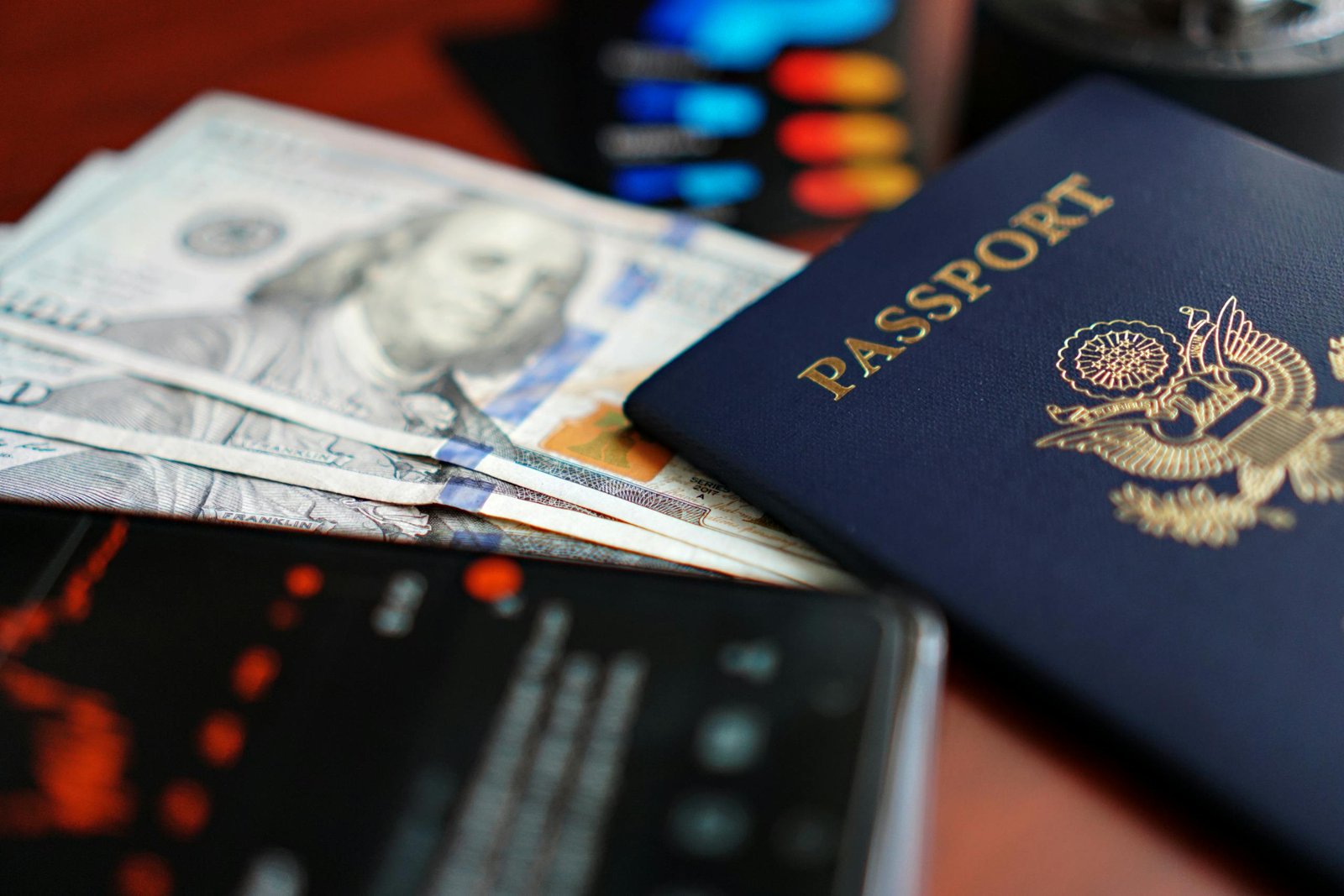
Airlines operate with a silent, invisible vigilance when it comes to verifying visa requirements. At the check-in counter, a passenger might hand over a passport without a second thought—only to have the airline staff scrutinize its pages for a visa stamp they never explicitly asked about. This quiet diligence is powered by a blend of technology, global databases, and real-time checks that ensure compliance with international travel laws. Understanding how this system works is essential for any traveler navigating the complexities of global entry requirements.
Visa-Free Doesn’t Mean Paperwork-Free
I learned this the hard way on a recent trip to Japan. I knew I didn’t need a visa to enter as a tourist, so I assumed I was fully prepared. What I hadn’t accounted for was Visit Japan Web, the country’s pre-arrival online system that generates a QR code for immigration and customs. I found out I needed it while standing in the immigration line, phone in hand, filling out the form in a hurry while the line moved around me. Once I had the QR code, I went through without any issues, but the stress of doing it last-minute was entirely avoidable.
It wasn’t the first time this had caught me off guard. During the peak of COVID-19, I ran into something similar traveling to Panama and Colombia. Most countries at the time required their own digital health or entry-form submissions, and the specific requirements were changing often enough that research done one week could be outdated by the time I actually flew.
The lesson, in both cases, was the same: a “no visa required” answer only tells you about one requirement. It doesn’t tell you whether a country also expects a separate pre-arrival digital form, health declaration, or arrival card — something increasingly common, and easy to miss if you stop researching the moment you’ve confirmed you’re visa-exempt. Now, before every trip, I check for these two things separately, and I go straight to the country’s own official immigration or tourism site to do it, rather than a general travel-advice article, since these requirements change and older articles (including this one) can go stale.
Not sure which documents you need? Travel Documents: Passports, Visas & Permits →
(This is a different requirement from the ESTA/eTA-style pre-authorizations covered further down in this article — see “Visa-Free Travel and the Rise of Digital Permits” below. Both are worth checking, separately.)
The Invisible Audit: How Airlines Access Visa Rules
Behind the scenes, airlines rely on centralized databases to cross-check visa requirements against a passenger’s travel documents. The most prominent of these is IATA’s TIMATIC, the system most airlines rely on to check entry-document requirements (it checks documentation for hundreds of millions of travelers a year) and available directly to travelers through the IATA Travel Centre. TIMATIC contains up-to-date information on entry regulations, visa policies, and health requirements for every country. When a passenger begins the check-in process, whether online or at a kiosk, the airline’s system automatically queries TIMATIC using the passenger’s nationality, destination, and passport details. This happens in milliseconds, often before the traveler even arrives at the gate.
For example, a Canadian citizen flying to Japan might not need a visa for stays under 90 days. The airline’s check-in system would instantly confirm this exemption, allowing the passenger to proceed without further questions. However, if the same passenger were traveling to Brazil, which requires a visa for Canadian passport holders, the system would flag the discrepancy. In such cases, the airline may deny boarding unless the passenger can prove they’ve obtained the necessary visa. This automated process ensures airlines avoid liability for admitting travelers who lack proper documentation.
The efficiency of these systems is amplified by biometric and digital passport integration. Facial recognition technology, now used in airports like Dubai’s DXB and Singapore’s SIA, allows airlines to verify not only a passenger’s identity but also cross-reference their travel documents with global databases. This reduces human error and accelerates the process, though it does not eliminate the need for travelers to remain vigilant about their own visa status.
Real-Time Checks and the Passenger’s Role
While airlines perform automated checks, passengers are ultimately responsible for ensuring their documentation aligns with the destination’s requirements. This is particularly critical in cases where visa policies are subject to change. For instance, the UK introduced its Electronic Travel Authorisation (ETA) scheme, requiring many visa-exempt travelers to apply online before arrival. Airlines may not always flag such updates immediately, especially if a passenger’s passport or itinerary deviates from standard patterns.
Travelers can proactively verify their visa needs using the IATA Travel Centre or the U.S. State Department’s international travel page. Tools like these show entry, exit, and document requirements by nationality and destination, and are kept current directly by the agencies that set the rules — a more reliable source than a general travel-advice article, this one included.
Another layer of complexity arises with visa on arrival options. While some countries, such as Thailand and Indonesia, allow travelers to obtain visas upon landing, others impose strict penalties for overstaying. Airlines may not enforce these rules at check-in, but border officials at the destination airport will.
This underscores a critical rule: always double-check requirements for your specific nationality, destination, and itinerary. Airlines act as gatekeepers, but they cannot account for every variable in global immigration law.
Visa-Free Travel and the Rise of Digital Permits
For many travelers, the absence of a visa requirement is a welcome relief. However, the definition of “visa-free” can vary. In some cases, it means automatic entry for a set period; in others, it may require registering online or carrying additional documents. For example, the Schengen Area in Europe allows U.S. citizens to stay up to 90 days without a visa, but they must still present a valid passport and proof of return travel. Similarly, the U.S. Electronic System for Travel Authorization (ESTA) requires most visa-exempt travelers to pre-approve their stay for a small fee before boarding a flight to the U.S. — check the official ESTA site for the current amount, since it has changed before and can change again.
These digital permits, often processed through platforms like ESTA, eTA (Canada), or the UK’s ETA, represent a shift toward streamlined entry processes. Airlines now integrate these systems into their booking platforms, and a traveler applying for one of these authorizations will typically receive confirmation well before their flight. As with the pre-arrival digital forms described earlier in this article, these are a separate requirement from visa status itself, worth checking on their own.
Travelers should also be aware of visa exemptions that depend on specific circumstances. For instance, while citizens of the European Union can travel visa-free between member states, they must still present a valid passport. Additionally, some countries offer visa-free access to certain nationalities only for tourism or transit, not for work or study. Airlines may not flag these nuances during check-in, leaving the responsibility squarely on the traveler’s shoulders.
When Things Go Wrong: Navigating Visa Errors
Despite the best efforts of airlines and travelers, errors can occur. A misplaced visa stamp, an outdated passport, or a sudden policy change can disrupt even the most carefully planned trip. Airlines, bound by contractual agreements with governments, are often forced to deny boarding in such cases, even if the traveler believes their documentation is in order.
When this happens, passengers are typically given the option to rebook for a later date or receive a refund, though policies vary considerably by carrier — always check your specific airline’s policy rather than assume one carrier’s approach applies to another. Travel insurance can also provide a safety net, covering costs related to denied boarding or unexpected visa requirements.
Preventing such issues requires proactive research and documentation. Travelers should print or save digital copies of visa approvals and any pre-arrival forms, especially for e-visas or digital permits. Airlines may not retain records of these documents beyond the check-in process, leaving passengers to prove compliance at the destination airport. A physical copy of an approval or a screenshot of a confirmation email can be invaluable in such scenarios.
Frequently Asked Questions About Visa Checks
What if I travel to a visa-exempt country but the airline asks for proof?
Airlines typically do not require proof of visa exemption at check-in. However, they may request documentation if a passenger’s itinerary includes connecting flights through a country with stricter entry rules. For example, a traveler flying from France to Japan via Dubai might be asked to show they can re-enter France, even if Japan allows visa-free entry.
Can I rely solely on the airline’s visa check?
No. Airlines use automated systems to verify visa requirements, but these systems may not account for exemptions, recent policy changes, specific travel purposes, or separate pre-arrival form requirements. Always cross-check with official government sources directly.
What happens if I have an invalid visa and the airline misses it?
Airlines can face fines or penalties for admitting passengers without valid visas. In such cases, the airline may deny boarding, rebook the passenger, or, in extreme cases, confiscate the ticket. The passenger remains responsible for any associated costs.
How do airlines handle visa requirements for children or dual citizens?
Airlines will check the visa status of all passengers, including children. Dual citizens must ensure their travel documents align with their nationality at the time of entry. For example, a U.S.-China dual citizen traveling to Canada must use the passport that grants visa-free access (U.S.) and avoid using the Chinese passport, which requires a visa.
Checking visa and pre-arrival form requirements is just one part of getting your documents in order before you fly — see the full guide to travel documents, passports, and entry permits for everything else worth double-checking, or head back to Book Reservations, Prepare to Travel for the rest of this stage of planning.
Final Disclaimer
This article is for informational and educational purposes only. Always verify current travel information, visa requirements, entry rules, and health guidance with official government sources and qualified professionals before making travel decisions.
Your next step
The Complete First-Time Passport Guide →