
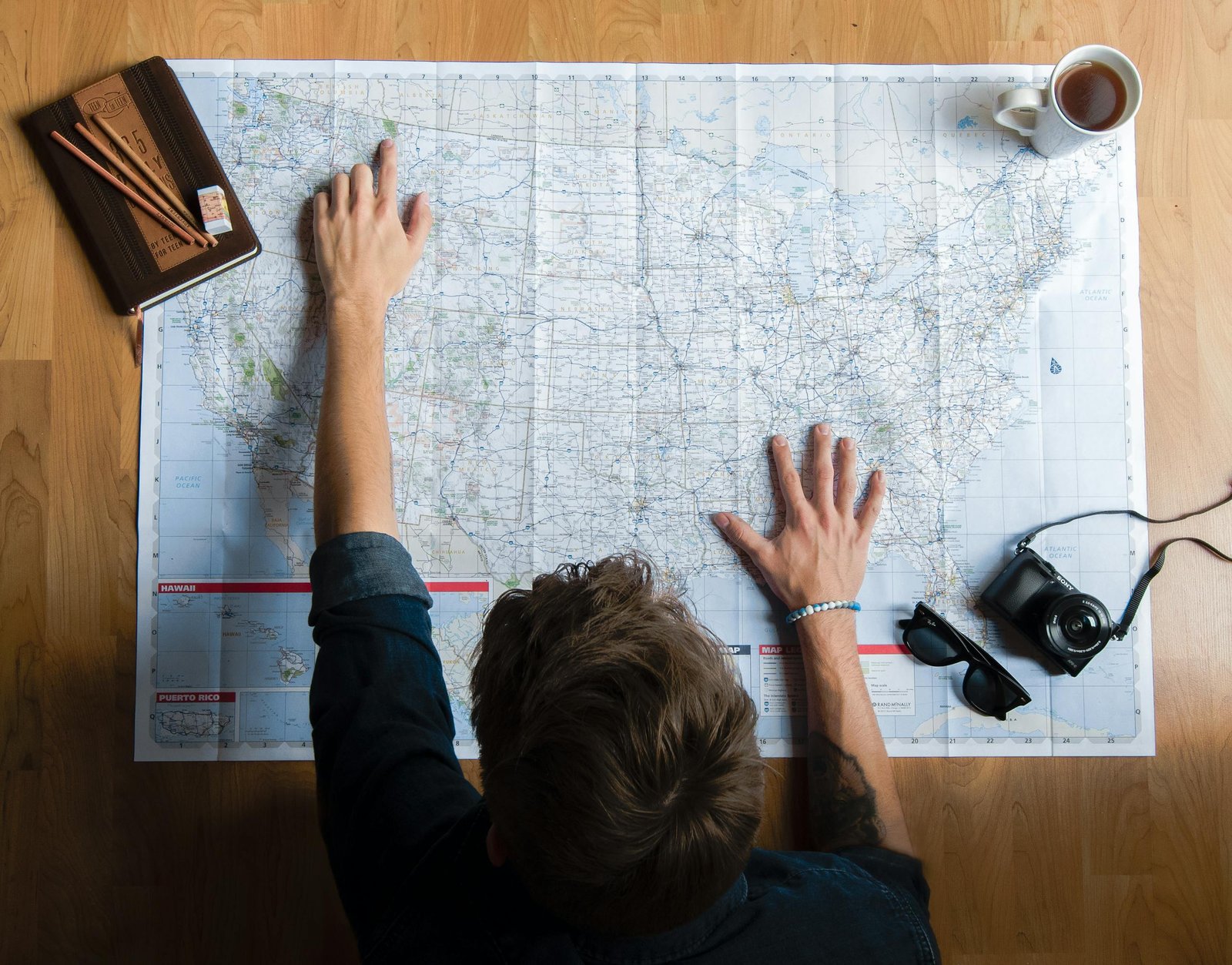
How to Create a Simple Travel Plan Without Getting Overwhelmed
Traveling is one of life’s most rewarding experiences, but the process of planning can often feel daunting. From choosing the perfect destination to balancing your budget and fitting in all the activities you want, it’s easy to feel swamped by the sheer number of decisions. The good news? You don’t need to overcomplicate it. A simple, thoughtful travel plan can save you time, reduce stress, and help you make the most of your adventure. In this guide, we’ll break down the essentials of creating a streamlined travel plan that works for you—without the overwhelm.
1. Start with a Clear Purpose
Before diving into flights, hotels, and itineraries, ask yourself: Why am I traveling? Defining your purpose will shape every decision you make. Are you seeking relaxation, adventure, cultural immersion, or a mix of all three? Here’s how to set a clear focus:
- Identify Your Travel Goals: List what you want to achieve. Examples include “explore historical landmarks,” “disconnect from work,” or “learn a new skill.”
- Set a Realistic Timeline: Decide how many days you can allocate to this trip. A short 3-day getaway requires a different approach than a two-week vacation.
- Define Flexibility: Be honest about whether you prefer a structured schedule or a more spontaneous experience. This will guide how detailed your plan needs to be.
Pro Tip: Use a travel journal or app to jot down your goals and priorities. This keeps your vision tangible and prevents you from straying into unnecessary distractions.
2. Choose a Destination That Aligns with Your Goals
Once you know your purpose, narrowing down destinations becomes easier. Consider the following factors to make an informed choice:
- Weather and Season: Research the best times to visit based on climate. For example, tropical destinations like Bali are ideal in the dry season, while European cities shine in spring or fall.
- Cost of Living: Compare expenses across locations. A week in Thailand may cost significantly less than a similar trip to Japan.
- Cultural Fit: If you crave quiet beaches, avoid bustling cities. Conversely, if you love museums and street food, pick a destination with rich cultural offerings.
- Accessibility: Consider travel time and visa requirements. A dream destination might be overshadowed by logistical hurdles.
Example: If your goal is to unwind, prioritize destinations with low crime rates, affordable accommodations, and easy access to nature—like Costa Rica or Portugal.
3. Set a Budget You Can Stick To
A well-defined budget is the backbone of any travel plan. It prevents overspending and helps you allocate resources wisely. Here’s how to create a realistic budget:
- Estimate Total Costs: Break down expenses into categories: flights, accommodations, food, transportation, activities, and miscellaneous (souvenirs, unexpected costs).
- Use Online Tools: Platforms like BudgetYourTrip or Momondo offer cost comparisons for flights and hotels.
- Build in a Buffer: Add 10–15% to your total budget for unforeseen expenses, such as last-minute tours or emergency purchases.
- Track Spending: Apps like Toshl or Mint help you monitor expenses in real time.
Pro Tip: Be flexible with your dates. Flying mid-week or during off-peak seasons can cut costs dramatically. For example, booking flights on Tuesdays or Wednesdays often yields the best prices.
4. Plan a Balanced Itinerary
One of the biggest sources of overwhelm is overpacking your schedule. Instead of cramming in every must-see attraction, create a curated itinerary that balances activities with downtime. Here’s how:
- Prioritize Must-Do Experiences: List 3–5 key attractions or activities you don’t want to miss. These could be iconic landmarks, local festivals, or unique experiences like hot air balloon rides.
- Group Similar Activities: Cluster sights or experiences in the same area to minimize travel time. For instance, visit multiple museums in one district on a single day.
- Leave Room for Spontaneity: Reserve one or two days as “free time” to explore on a whim or rest. This prevents burnout and allows for unexpected discoveries.
- Use a Template: Tools like TripIt or Roamly let you create visual itineraries with maps and timelines.
Example: A 7-day Paris itinerary might include 3 days of museum visits and guided tours, 2 days of leisurely café hopping and walking tours, and 2 days of self-guided exploration in the Latin Quarter or Montmartre.
5. Simplify Accommodations and Transportation
Choosing the right accommodations and transportation can make or break your travel experience. Focus on simplicity and convenience:
- Accommodations:
- Opt for a centrally located base, even if it costs a bit more. This saves time and money on daily commutes.
- Use platforms like Airbnb for local stays or Booking.com for hotels with verified reviews.
- Read reviews carefully. Look for mentions of cleanliness, safety, and proximity to public transport.
- Transportation:
- Research public transport options (buses, subways, trains) and purchase multi-day passes if available.
- For domestic travel, compare prices between trains, buses, and flights. Sometimes a train ride is more scenic and cost-effective than a flight.
- Use apps like Citymapper or Google Maps for real-time transit updates.
Pro Tip: Book accommodations and transportation in reverse. Start with your destination and work backward to flights and dates. This often gives you more control over your schedule.
6. Pack Smart and Light
Packing is another area where simplicity saves stress. Follow the 70/20/10 rule: 70% of your suitcase for clothes, 20% for toiletries and electronics, and 10% for souvenirs or last-minute purchases. Here’s how to streamline:
- Make a Checklist: Use apps like PackPoint or Packing for to generate region-specific packing lists.
- Stick to a Color Palette: Limit your clothing to 2–3 colors to mix and match easily.
- Use Travel-Sized Toiletries: Transfer liquids to reusable containers to save space and avoid airport security hassles.
- Leave Room for Souvenirs: Pack a collapsible duffel bag or tote to avoid overpacking your main suitcase.
Example: For a week in Italy, you might pack 5 shirts, 3 pairs of pants, a swimsuit, a light jacket, and versatile shoes for both sightseeing and dining out.
7. Embrace Flexibility and Problem-Solving
No plan is immune to hiccups, but a simple travel plan is designed to adapt. Here’s how to stay calm when things go sideways:
-
- Build Buffer Time: Always leave a 30-minute cushion between activities for delays, meals, or rest.
- Have Backup Options: If a museum is closed, know nearby cafes or parks you can visit instead.
- Stay Connected: Download offline maps (Google Maps) and emergency contact info before leaving home.
<2>Trust Your Instincts: If a situation feels unsafe or overwhelming, pivot to a different plan. Your well-being comes first.
Pro Tip: Share your itinerary with a trusted friend or family member. This ensures someone knows your whereabouts and can step in if needed.
8. Document and Reflect
A simple travel plan isn’t just about getting from point A to B—it’s about creating memories. Capture your journey in a way that feels natural to you:
- Keep a Travel Journal: Write about your experiences, emotions, and lessons learned. This adds depth to your trip and helps you reflect later.
- Take Photos Selectively: Focus on moments that
Affiliate Disclosure: This article may contain affiliate links. If you purchase through these links, we may earn a small commission at no additional cost to you. We only recommend products and services we believe will add value to our readers.