
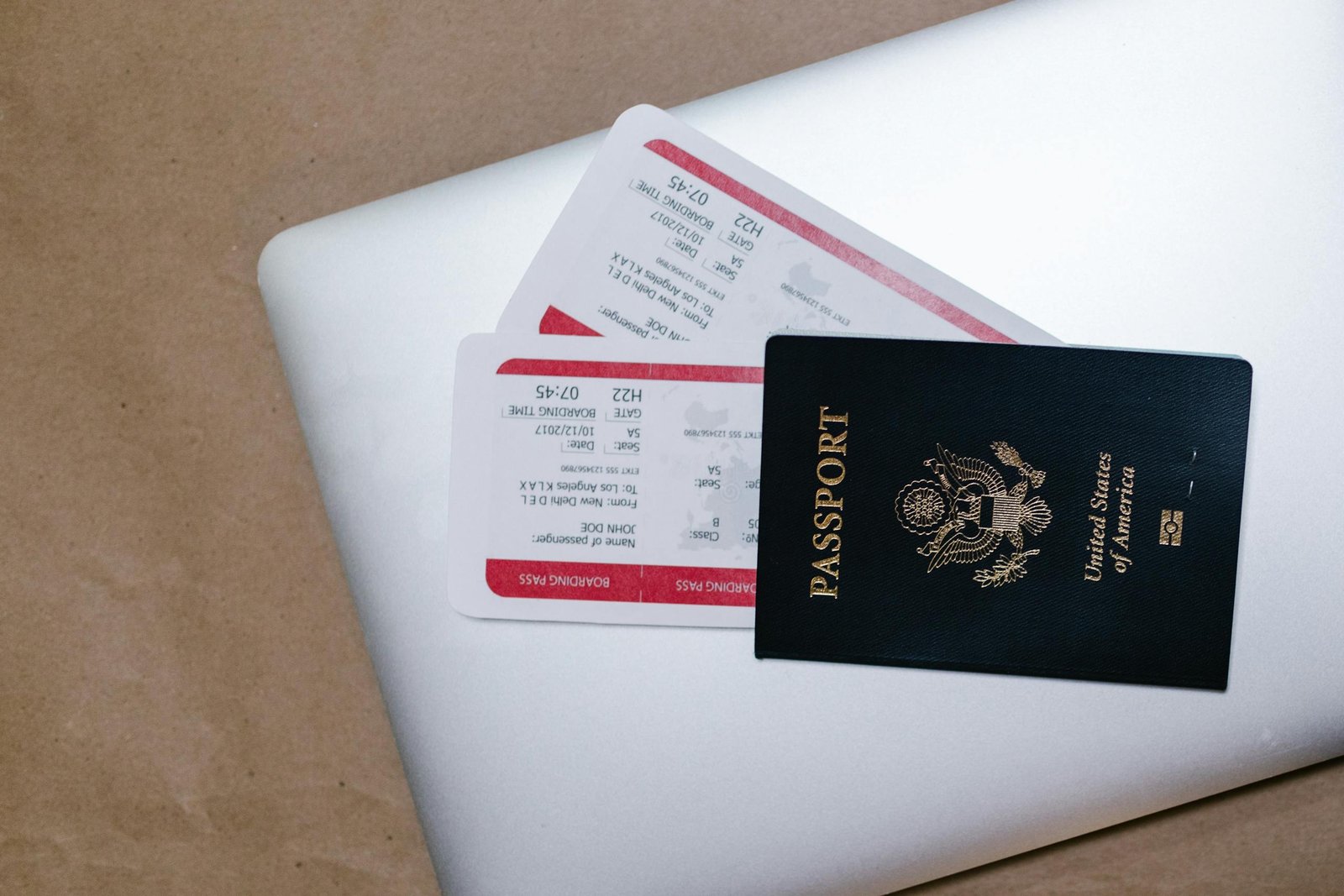
Imagine standing at the security checkpoint of a bustling international airport, your boarding pass in hand, only to realize your passport has slipped into the laundry pile back home. The rush of adrenaline is familiar to anyone who’s faced the chaos of last-minute travel mishaps. While this scenario is avoidable, it underscores a universal truth: travel documents are the unsung heroes of every journey. From the sleek passport to the often-overlooked health certificates, these documents are the keys to crossing borders, navigating regulations, and ensuring a seamless trip. Understanding what you need—and how to keep it organized—is the difference between a smooth adventure and a bureaucratic nightmare.
The Essential Documents Every Traveler Must Carry
A passport is the cornerstone of international travel, a laminated ID that unlocks entry to nearly every country. Most nations require at least six months of validity beyond your return date, though exceptions exist. Japan, for instance, mandates a three-month buffer, while the United Arab Emirates demands six. Always double-check the destination’s specific requirements, as some may enforce stricter rules. For U.S. citizens, the I-94 form (now digital) tracks arrival and departure dates, a document that can prevent costly re-entry delays if misplaced.
Visas, the second pillar, are equally critical. While visa-free travel exists for many passport holders—U.S. citizens enjoy 185 visa-free destinations, including the Schengen Area—others require advance applications. The Electronic System for Travel Authorization (ESTA) for the U.S. or the (Schengen Visa) for Europe are prime examples of digital or multi-country permits. Some destinations, like Cambodia or Morocco, offer visa-on-arrival, but applying online beforehand can save time and avoid unexpected fees. Always print or download digital visas, as some border agents still require physical copies.
Travel insurance is often the most neglected document, despite its potential to save thousands in emergencies. Comprehensive policies cover medical evacuations, trip cancellations, and lost luggage. For example, a policy like World Nomads includes adventure sports coverage, while Allianz Global Rescue offers 24/7 concierge services. Always verify if your credit card or health insurance provides supplemental coverage, but standalone policies are indispensable for high-risk destinations or activities like diving in Borneo.
Rounding out the essentials are your boarding pass (now often digital), health records (vaccination certificates for yellow fever or malaria zones), and a printed copy of your itinerary. These documents may seem minor, but they can resolve disputes with airlines or customs officials swiftly. Keep them accessible, whether in a leather passport holder or a waterproof travel wallet.
Organizing Travel Documents: Digital and Physical Strategies
Organizing travel documents begins with a physical system as reliable as a vintage Swiss watch. A slim, durable folder with clear plastic sleeves is ideal for passports, visas, and insurance policies. Some travelers prefer laminated checklists, ticking off each document as they secure it. For multi-country trips, color-coded tabs can differentiate between Schengen visas and Thai tourist permits. A waterproof case is particularly wise for tropical destinations where humidity or rain could compromise paper.
Digital organization is equally vital. Scanning documents and storing them in cloud services like Google Drive or Dropbox ensures access even if the physical copy is lost. Apps like SafeDrop or LastPass can securely store digital passports and insurance details, accessible only via biometric authentication. For added convenience, many airlines and embassies offer digital visa options, which can be saved as PDFs in a dedicated folder. Always back up these files on an external drive or secondary account to guard against data loss.
Real-time updates are another layer of defense. Services like Timatic or the IATA Travel Centre provide instant access to the latest entry requirements, a lifesaver when regulations shift unexpectedly. Similarly, the Smart Traveler Enrollment Program (STEP) from the U.S. Department of State alerts travelers to security advisories in their destination. These tools transform static documents into dynamic, actionable information.
Finally, a checklist is the glue that holds everything together. Begin with a printed list of all required documents, then cross-reference it with digital backups. For example, a traveler to New Zealand might note: “Passport valid until 2028 , eTA applied online , travel insurance PDF in Dropbox , malaria tablets in carry-on .” This method prevents oversights like forgetting a child’s birth certificate for visa applications or leaving a boarding pass in a hotel safe.
Special Cases: Minors, Multi-Nation Trips, and Health Documentation
Traveling with minors introduces unique documentation challenges. Most countries require a birth certificate or adoption decree to confirm a child’s relationship to the guardian. For international travel, some nations—like France and Germany—demand a notarized consent letter from the non-traveling parent, especially if the child is unaccompanied. In cases of single parenthood or divorce, legal custody documents may also be necessary. These requirements can vary drastically, so consulting the embassy of each destination is crucial.
Multi-nation trips demand meticulous planning. The Schengen Visa allows travel across 26 European countries, but overstaying the 90-day limit—even by one day—can trigger a ban. Similarly, the Visa Waiver Program (VWP) in the U.S. permits stays up to 90 days, but a second entry before the I-94 expires results in automatic denial. For Asia, the ASEAN Travel Corridor or Malaysia-Singapore Second Pass offer streamlined entry, but each requires a separate application. Keeping track of these nuances is where digital tools like VisaHQ or VisaWizard shine, offering clear breakdowns of overlapping visa rules.
Health documentation is another critical layer, particularly in regions with health risks. Yellow fever vaccines, for instance, require a 10-day waiting period post-vaccination before entering countries like Kenya. The International Certificate of Vaccination or Prophylaxis (ICVP), a small booklet, is the official record for such shots. Malaria zones, like parts of India or Brazil, may necessitate proof of anti-malarial tablets in your luggage. Always carry both the physical certificate and a digital copy, as some border guards may request one or the other.
Lastly, emergency contacts and embassy information should be included in every traveler’s kit. A laminated card with local emergency numbers, the nearest embassy’s address, and a trusted contact person back home can expedite resolutions during crises. For example, a traveler in Thailand with a medical emergency might need to contact the U.S. Embassy in Bangkok (66-2-682-0500) for assistance. These details should be duplicated in both digital and physical formats, ensuring accessibility even without internet.
Frequently Asked Questions About Travel Documents
Can I travel with an expired passport? Absolutely not. Most countries require a passport to be valid for at least six months beyond your departure date. If it’s expired, you’ll need to apply for a new one immediately. The U.S. Department of State offers expedited processing for $60, but this still takes two weeks, so plan accordingly.
What if I lose my documents abroad? Report the loss to local authorities and the nearest embassy as soon as possible. The embassy can issue an emergency travel document to get you home. For example, the British Consulate in Dubai provides same-day passports for UK citizens in urgent situations. Always keep a digital copy of your passport in a cloud folder, as this can speed up the replacement process.
Do I need travel insurance if I have health coverage at home? Local health insurance rarely covers international emergencies. A U.S. policy, for instance, typically doesn’t extend to Europe, meaning a hospital stay in Paris could cost tens of thousands. Travel insurance with medical evacuation coverage is a non-negotiable for international trips, especially in high-risk regions like Southeast Asia or South America.
Can I use my driver’s license as a travel document? Only for domestic travel. A driver’s license cannot serve as proof of citizenship or identity for international flights. Even within the U.S., air travel requires a REAL ID-compliant document after 2025, so a passport is the safest option for any cross-border journey.