
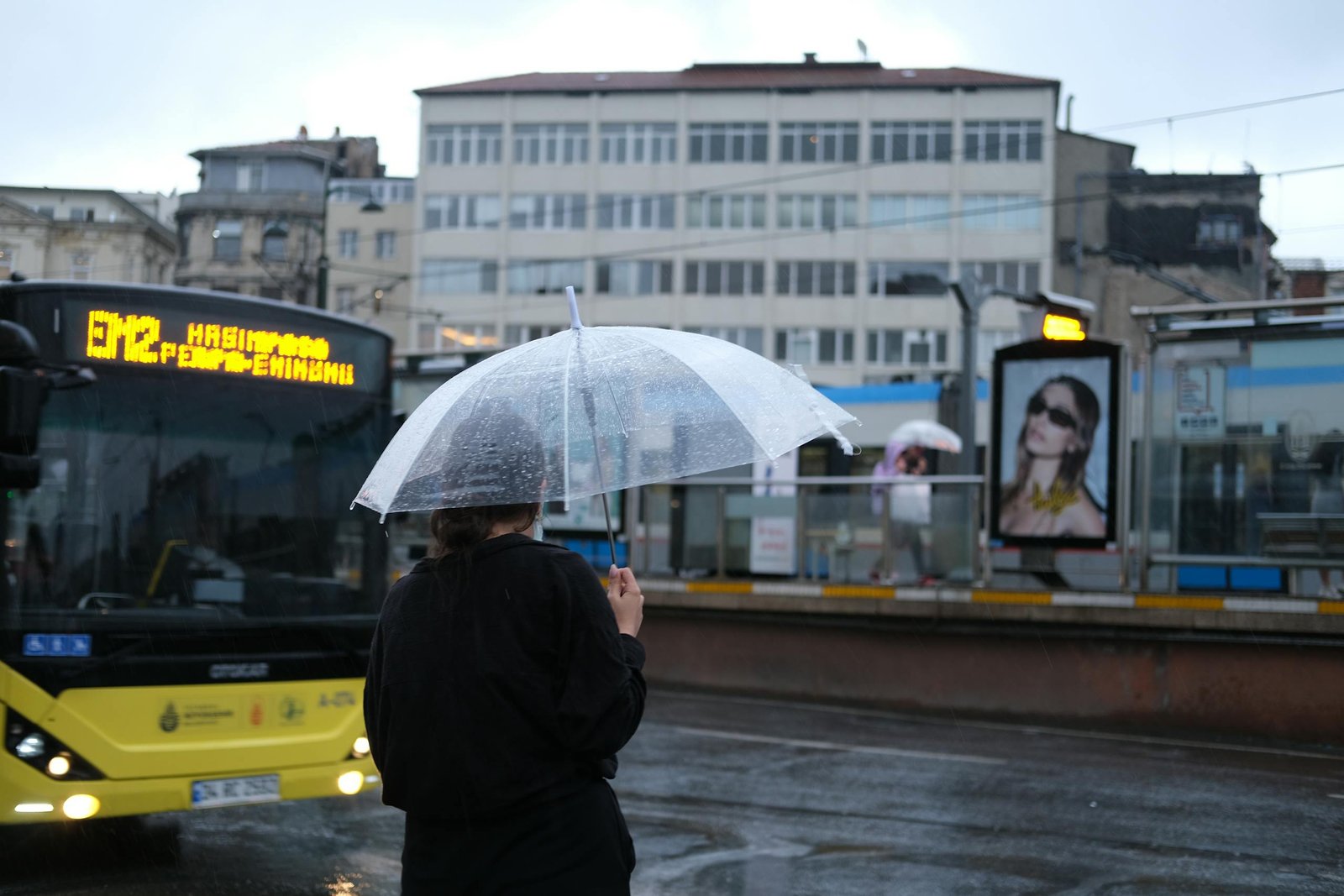
Imagine standing at an airport security checkpoint, suitcase in hand, as a cold front sweeps through your first destination and a heatwave erupts at your second. Your carefully curated wardrobe now feels ill-prepared for the climate whiplash ahead. This scenario unfolds for thousands of travelers annually, yet the solution lies in a deceptively simple strategy: mastering the art of packing for multiple climates without overloading your luggage. The key is not in the number of items you carry, but in the intelligence of your choices.
The Layering Philosophy: Foundation of Climate-Adaptive Packing
Layering transcends fashion—it becomes a survival mechanism when navigating temperature fluctuations. The principle is straightforward: thermal regulation through multiple thin layers outperforms single thick garments in both cold and temperate conditions. Start with a moisture-wicking base layer—merino wool or synthetic blends excel here. Next, add insulating mid-layers like fleece or down, which trap body heat without bulk. Finally, a weather-resistant outer shell protects against wind, rain, or UV exposure while allowing heat to escape.
Consider the example of a traveler journeying from Reykjavik’s 10°C (50°F) to Marrakech’s 35°C (95°F). A single thermal long-sleeve shirt and pair of tights can serve as core cold-weather layers. Pair these with convertible pants (zippers convert full-length to shorts) and a water-resistant jacket with removable fleece lining. These items transition seamlessly from Arctic chill to desert warmth. Brands like Uniqlo optimize this with ultra-light thermals that compress to the size of a bar of soap, saving space without sacrificing functionality.
Layering also enables dynamic outfit combinations. A single button-down shirt can be worn solo in heat or layered under a sweater in cold. A lightweight scarf doubles as a shawl for chilly evenings or a sunshade during hot afternoons. The trick is selecting garments that serve dual purposes while maintaining aesthetic cohesion across destinations.
Want a master packing list? The Carry-On Packing List for a Two-Week Trip →
As climates shift, so must your mindset. The most effective layering strategy requires anticipating microclimates: mountain resorts with subzero nights versus coastal cities with breezy afternoons. Pack accessories like gloves, beanies, and neck gaiters that can be tucked into pockets or worn discreetly. This prepares you for sudden weather swings without cluttering your luggage.
Versatile Clothing: The Art of Multi-Climate Utility
High-performance fabrics are the unsung heroes of climate-smart packing. Merino wool, for instance, regulates temperature in extremes, resists odor, and dries rapidly—ideal for transitions between, say, Patagonia’s icy peaks and Buenos Aires’ springtime warmth. Quick-drying synthetics like polyester or nylon excel in humid climates, while breathable cotton blends suit temperate zones. The challenge lies in curating a capsule wardrobe where each item performs across multiple environments.
Opt for convertible clothing that adapts to temperature shifts. A three-in-one jacket (insulated for cold, unzipped to reveal a windbreaker) or pants with detachable legs (via zippers) eliminate the need for separate warm- and cool-weather items. Neutral colors and minimalist patterns ensure cohesion in both a European winter and a Mediterranean spring. Brands like Patagonia and Columbia design such versatile pieces, while retailers like REI offer curated “travel packs” for multi-climate trips.
Accessories amplify efficiency. A compact, packable umbrella shields against rain in London or sudden monsoons in Southeast Asia. A UV-blocking scarf protects from sunburn in the Sahara or high-altitude Andes. These small investments prevent the need for climate-specific gear. Consider also shoes: waterproof hiking boots double for urban exploration in rainy regions, while breathable sandals suit tropical coasts. Prioritize items that bridge the gap between utility and style.
Space optimization becomes critical. Use compression bags to halve the volume of bulky items like sweaters. Packing cubes organize layers by function (base, mid, outer) and allow quick access to climate-appropriate combinations. For the most streamlined approach, adopt the “one-bag” philosophy — carrying only what fits in a single carry-on. This forces creativity in maximizing each garment’s utility.
Climate Transitions: Strategic Planning for Temperature Swings
When a single trip spans desert heat and alpine cold—like a journey from Dubai to the Swiss Alps—strategic planning is essential. Begin by researching the specific temperature ranges and weather patterns of each destination. Dubai’s daytime highs of 38°C (100°F) contrast sharply with Zermatt’s nighttime lows of -5°C (23°F). The solution lies in modular packing: a core set of versatile items supplemented by climate-specific micro-packs for each leg of the trip.
For Dubai, prioritize loose, breathable layers in light colors to combat heat. Include a wide-brimmed hat, sunglasses with UV400 protection, and moisture-wicking undergarments. For the Alps, add thermal base layers, a down-filled puffer, and insulated gloves. Use a packing cube system to separate these micro-packs, ensuring easy access at each destination. Airlines like Emirates and Swiss offer in-flight storage solutions for such segmented luggage, preventing disorganization during transfers.
Weather unpredictability demands contingency planning. Pack a lightweight, packable rain jacket for sudden desert storms or mountain squalls. Include travel-sized essentials like a compact first-aid kit, blister care tools, and temperature-appropriate skincare. Apps like Weather.com provide hyper-local forecasts, allowing travelers to adjust layering strategies mid-journey. Flexibility becomes the ultimate travel asset.
Shipping excess luggage can be a last-resort solution. Services like Boxpaq Courier facilitate cost-effective shipping between destinations, though this should be reserved for bulky items (snow boots, surfing wetsuits) that cannot be compressed or shared. Weigh the cost-benefit: shipping a single duffel bag might be cheaper than buying gear locally, but research destination-specific import duties first.
Real-World Applications: Case Studies in Climate Adaptation
A traveler visiting Norway’s fjords in winter and Spain’s Costa del Sol in spring offers a textbook case for multi-climate packing. Tromsø’s -5°C (23°F) mornings require thermal base layers, a down-filled insulated coat, and waterproof snow boots. Barcelona’s 18°C (64°F) afternoons demand breathable layers, a lightweight windbreaker, and sandal-friendly shoes. The overlap lies in versatile items: a merino wool sweater worn under a puffer in Norway or over a t-shirt in Spain. Neutral-colored chinos transition from hiking trails to beachside cafes.
For this itinerary, pack a core set of 12-15 garments. Include:
- 3 base layers (2 merino wool, 1 synthetic)
- 2 insulating mid-layers (fleece and down vest)
- 1 water-resistant shell jacket
- Convertible pants (full-length/shorts)
- 2 pairs of travel shoes (waterproof boots and sandals)
Accessories like a scarf, beanie, and sun hat complete the palette. This approach minimizes luggage while covering extreme climate shifts.
Another example: a road trip from Canada’s Banff National Park to Mexico’s Yucatán Peninsula. Banff’s subzero temperatures demand thermal tights, a heavy-duty insulated jacket, and insulated gloves. Mérida’s 30°C (86°F) heat requires linen shirts, cotton dresses, and UV-protective sunglasses. The key is overlapping items like a quick-drying base layer that doubles as a swimsuit cover-up. A convertible daypack can hold both a thermos for cold mornings and a water bottle for hot afternoons.
Such trips demand pre-trip research into local customs and activities. Norway’s fjords may require a dry bag for kayaking, while Spain’s beaches need a compact towel. Factor in these specifics when selecting gear. The goal is to pack with purpose—not just for weather, but for the full range of experiences each destination offers.
Common Pitfalls and Solutions
Overpacking remains the most frequent misstep. The fix is ruthless curation: ask whether each item can serve multiple purposes. A single scarf might provide warmth in Paris or sun protection in Marrakech. A wool sweater can transition from a ski lodge to a wine-tasting in Tuscany. Eliminate duplicates by focusing on adaptability over specialization.
Underestimating climate extremes is another risk. A traveler preparing for a trip from New York to Alaska in summer might forget that Denali National Park can still dip to 7°C (45°F) at night. Always check seasonal weather patterns, not just average temperatures. Pack a lightweight insulated jacket in addition to summer clothes. Similarly, a trip to the Sahara Desert requires more than just shorts—include a long-sleeve shirt for sandstorm protection and cooler evenings.
Ignoring cultural norms can lead to awkward situations. In Japan, for instance, modesty rules in temples and onsens necessitate a sarong or wrap, which also serves as a beach cover-up. In Dubai, a light abaya or shawl might be required for mosques, but can double as a sunshade. Research local dress codes and incorporate these items into your versatile wardrobe.
Lastly, neglecting to test gear pre-travel is a costly oversight. A jacket that performs in the Alps might fail in monsoon conditions. Test your layering system in similar environments: wear your cold-weather kit during a chilly train ride or test quick-dry fabrics during a humid day. This proactive approach prevents mid-trip disasters.
Frequently Asked Questions
How do I pack for a trip with extreme temperature shifts, like from Antarctica to the Amazon?
Focus on modular layering—thermal base layers, packable insulation, and a durable outer shell. Bring a lightweight rain jacket for the Amazon and a heavy-duty down puffer for Antarctica. Use compression bags to save space and consider shipping bulk items like snow boots between destinations.
What if the weather changes unexpectedly mid-trip?
Pack a versatile “emergency kit”: a microfiber towel that doubles as a blanket, a packable poncho, and travel-sized hand warmers. Apps like AccuWeather provide real-time forecasts to adjust layering strategies. Always carry a lightweight, foldable daypack for easy gear access.
How do I pack for a family with different climate needs?
Prioritize overlapping items. A family visiting both a ski resort and a beach can share base layers and convertible pants. Purchase climate-specific items locally (e.g., swimsuits at the beach resort) to avoid overpacking. Use packing cubes to separate children’s gear from adults’ for easier access.
What about hygiene in hot vs. cold climates?
Cold climates require more frequent undergarment changes due to sweat from layering. Hot climates demand quick-dry, odor-resistant fabrics. Pack travel-sized laundry detergent for in-transit washing. UV-protective clothing reduces the need for sunscreen reapplication in sunny destinations.
This article is for informational and educational purposes only. Always verify current travel information, visa requirements, entry rules, and health guidance with official government sources and qualified professionals before making travel decisions.
Your next step
Packing Light vs. Packing Everything →