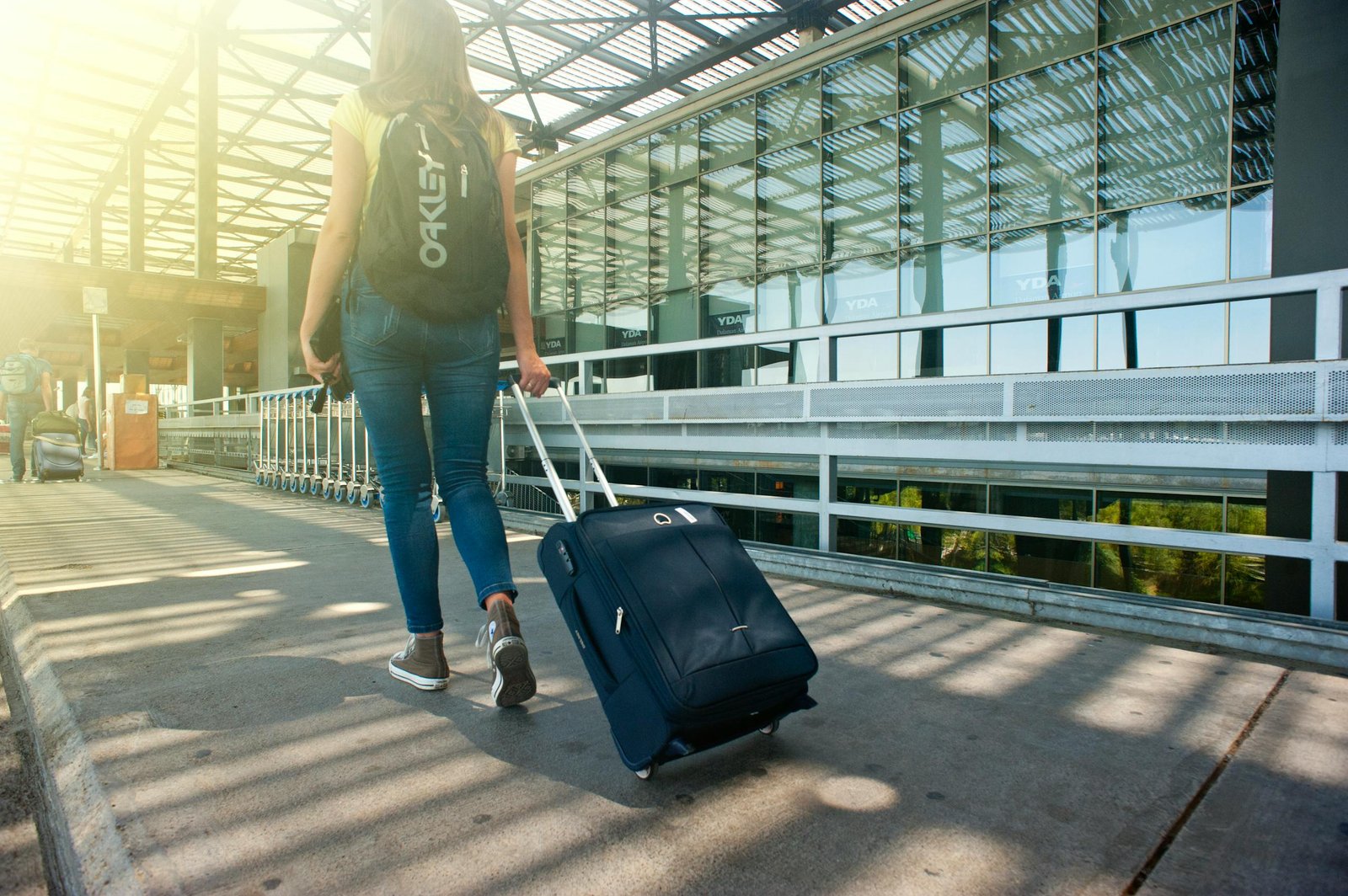
Packing for a two-week trip in a carry-on isn’t just possible—it’s a masterclass in efficiency, creativity, and travel discipline. The carry-on, a humble suitcase or duffel no larger than 22x14x9 inches, demands that travelers prioritize essentials over excess. Yet, with the right strategy, this constraint becomes a catalyst for minimalism, sustainability, and spontaneity. The key lies in understanding the term “carry” itself: to transport, to bear, to move forward with intention. A carry-on is not just a container—it’s a manifesto for thoughtful travel.
The Art of Space Optimization
A two-week journey in a carry-on hinges on two principles: volume control and weight distribution. Modern travel gear manufacturers have designed packing cubes, vacuum-sealed compression bags, and lightweight fabrics to maximize space. But the real magic happens in the planning phase. Start by auditing your needs. Will you need formal attire? Will the destination experience extreme weather? What activities will you engage in daily? Each answer shapes the contents of your carry-on.
Consider the 7-3-2 formula, a time-tested approach for 14 days: 7 tops, 3 bottoms, and 2 dresses or versatile jumpsuits. This ratio ensures you have enough variety without overpacking. Tops can include layering pieces for cooler climates or breathable materials for warm regions. Bottoms should be neutral, easily paired with multiple tops. Dresses or jumpsuits serve as one-piece solutions for casual or semi-formal occasions. The goal is to create a capsule wardrobe where each item works overtime.
Weight distribution is equally critical. Heavy items like toiletries, electronics, and shoes should be placed near the bottom of the bag to stabilize it. Fragile items, such as glasses or electronics, should be packed near the top for protection. Rolling clothes instead of folding reduces wrinkles and saves space. For shoes, use the space-saving trick of stuffing them with small items like socks or underwear. This technique compresses the bag further while keeping essentials organized.
Not sure how much to bring at all? Packing Light vs. Packing Everything →
End each section with a transition that invites curiosity: The next step is selecting versatile clothing that adapts to multiple scenarios, ensuring you’re prepared for any situation without sacrificing style.
Choosing Versatile Clothing
Versatility is the cornerstone of a successful carry-on. Neutral colors like navy, black, and beige are foundational, as they pair seamlessly with bold accessories or statement pieces. For example, a white linen shirt can be dressed up with a silk scarf for dinner or paired with denim for a casual day. Similarly, a black skirt can transition from a daytime sightseeing piece to an evening event with the right footwear and jewelry.
Layering is another strategic tool. A lightweight cardigan, a breathable pashmina, or a compact poncho can extend the usability of your core wardrobe. In cooler climates, a thermal base layer under jeans or leggings adds warmth without bulk. For warmer destinations, opt for moisture-wicking fabrics that stay cool and dry. The key is to choose pieces that serve dual purposes—think of a scarf that doubles as a blanket or a sarong that becomes a beach wrap or skirt.
Footwear is a make-or-break category. Limit yourself to two pairs: one for comfort (e.g., sneakers or walking shoes) and one for style (e.g., loafers, flats, or sandals). If you need an additional pair, use the shoe-stuffing technique to minimize space. Avoid bulky boots or heels unless absolutely necessary. Remember, a pair of shoes can occupy as much space as two shirts, so every choice must be justified.
As you finalize your clothing selections, shift focus to the essentials that complete your daily routine, from toiletries to electronics. These items require equal attention to balance and efficiency.
Packing Essentials Without Overpacking
Toiletries often pose the biggest challenge in a carry-on. The TSA’s 3-1-1 rule (containers of 3.4 oz / 100 ml or less, all fitting in one quart-sized bag, one bag per passenger) applies to liquids, but solids and semi-solids offer more flexibility. Use travel-sized containers or sample sizes from hotels to minimize waste. Solid shampoos, conditioners, and lotions eliminate the need for bulky bottles. A multi-purpose balm (lip, cuticle, and hand) or a single facial cleanser can replace multiple products.
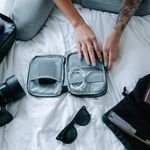
Electronics must be both functional and compact. A universal travel adapter is non-negotiable, but consider a portable battery pack for devices like cameras or smartphones. If you’re a digital minimalist, a basic camera or your phone may suffice. For charging, lightweight cables that coil into themselves save space. Avoid bringing unnecessary gadgets unless they’re essential for your trip (e.g., a compact travel coffee maker if you’re in a region with unreliable brewing methods).
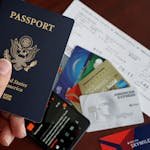
Documents and accessories complete the essentials. A physical passport and printed itinerary are backups in case of digital failures. A compact travel wallet holds cards, cash, and boarding passes. For accessories, prioritize a single versatile handbag or backpack that transitions between day and night. A minimalist jewelry box (with a few standout pieces) keeps your look polished without excess.
With the essentials secured, the next frontier is leveraging smart packing tools and techniques to compress your carry-on further. These methods can shave inches off your luggage while maintaining organization.
Smart Use of Compressible Gear
The modern traveler’s toolkit includes compression bags, packing cubes, and foldable organizers. Compression bags are ideal for bulkier items like sweaters or jeans, squeezing out the air that soft fabrics trap. They save space rather than weight, which matters when the airline is weighing the bag rather than measuring it. Packing cubes provide structure, separating categories (e.g., tops, bottoms, accessories) and making it easier to locate items mid-trip. Foldable organizers are perfect for toiletries, electronics, or small accessories, keeping your carry-on clutter-free.
Layering techniques also maximize space. Place rolled clothes in the center of the bag, with heavier items (shoes, toiletries) at the bottom. Fill gaps with soft items like socks or underwear to prevent shifting. For a visual guide, imagine your carry-on as a layered cake: the heaviest items form the base, mid-layer items are packed in cubes, and the top layer consists of frequently used items (e.g., a day’s outfit or passport).
Don’t overlook the power of lightweight materials. A microfiber towel, a collapsible water bottle, or a foldable laundry bag can replace bulkier alternatives. These items add functionality without weight. For example, a microfiber towel dries quickly and takes up less space than a traditional cotton one. A foldable laundry bag allows you to separate dirty and clean clothes without dedicating an entire compartment.
As you refine your packing strategy, consider how different climates or activities might alter your approach. The principles remain the same, but the execution adapts to the destination.
Adapting to Climate and Activity
Tropical destinations demand breathable fabrics like linen, rayon, or bamboo blends. Opt for loose-fitting clothing to stay cool, and pack a lightweight rain jacket or sarong for unexpected showers. For desert climates, prioritize sun protection: a wide-brimmed hat, UV-protective sunglasses, and lightweight long sleeves. A compact sunscreen and lip balm are non-negotiables.
Mountain or winter destinations require layering. A thermal base layer, a fleece or down jacket, and a waterproof shell create a versatile system. Avoid bulky sweaters; instead, choose compressible alternatives that fit into a packing cube. For footwear, waterproof boots or insulated shoes are essential, but remember to use the shoe-stuffing technique to save space.
Adventure-focused trips (hiking, kayaking, etc.) need specialized gear. A quick-dry swimsuit, a compact first-aid kit, and a lightweight dry bag protect your belongings from water. For activities like photography or hiking, invest in a lightweight, ergonomic daypack that fits into your carry-on when not in use. Always research local conditions to avoid overpacking for scenarios you won’t encounter.
One caution worth building into that research: a destination’s general forecast is not the same as the conditions at each stop on your itinerary. A warm, sunny island can still put you on a cold, exposed summit the same afternoon. Our guide to how weather impacts packing and travel covers how to check conditions stop by stop rather than for the destination as a whole.
These climate-specific adjustments ensure your carry-on remains functional and efficient, no matter where your journey takes you. Now, let’s address common questions to clarify the process further.
FAQ: Carry-On Packing for Two Weeks
Can I do laundry on the road to reduce the number of clothes I need?
Yes, many hotels offer laundry services, or you can use portable travel laundry kits. A collapsible laundry bag and a small amount of biodegradable detergent allow you to hand-wash small loads in a sink. This eliminates the need to pack extra clothing and keeps your carry-on lighter.
How do I handle different dress codes for business or formal events?
A tailored blazer, a wrinkle-resistant dress, and a few accessories (e.g., a statement belt, a clutch) can elevate your look. For business settings, a neutral-colored dress shirt and slacks suffice. Always check the destination’s cultural norms to avoid over- or under-dressing.
What if I need to bring medications or personal items?
Medications should be packed in their original containers with a copy of your prescription. Use a waterproof pouch for liquid medications to prevent leaks. Personal hygiene items like toothbrushes or razors can be stored in a separate toiletry bag to avoid contamination.
How do I know if my carry-on meets airline size requirements?
Check your airline’s carry-on dimensions (usually 22x14x9 inches for US carriers). Measure your bag and its contents to ensure they fit. Many airlines offer online tools to help visualize the maximum size. If in doubt, choose a slightly smaller bag to avoid check-in surprises.
This article is for informational and educational purposes only. Always verify current travel information, visa requirements, entry rules, and health guidance with official government sources and qualified professionals before making travel decisions.
Your next step
How to Pack for Multiple Climates in One Trip →