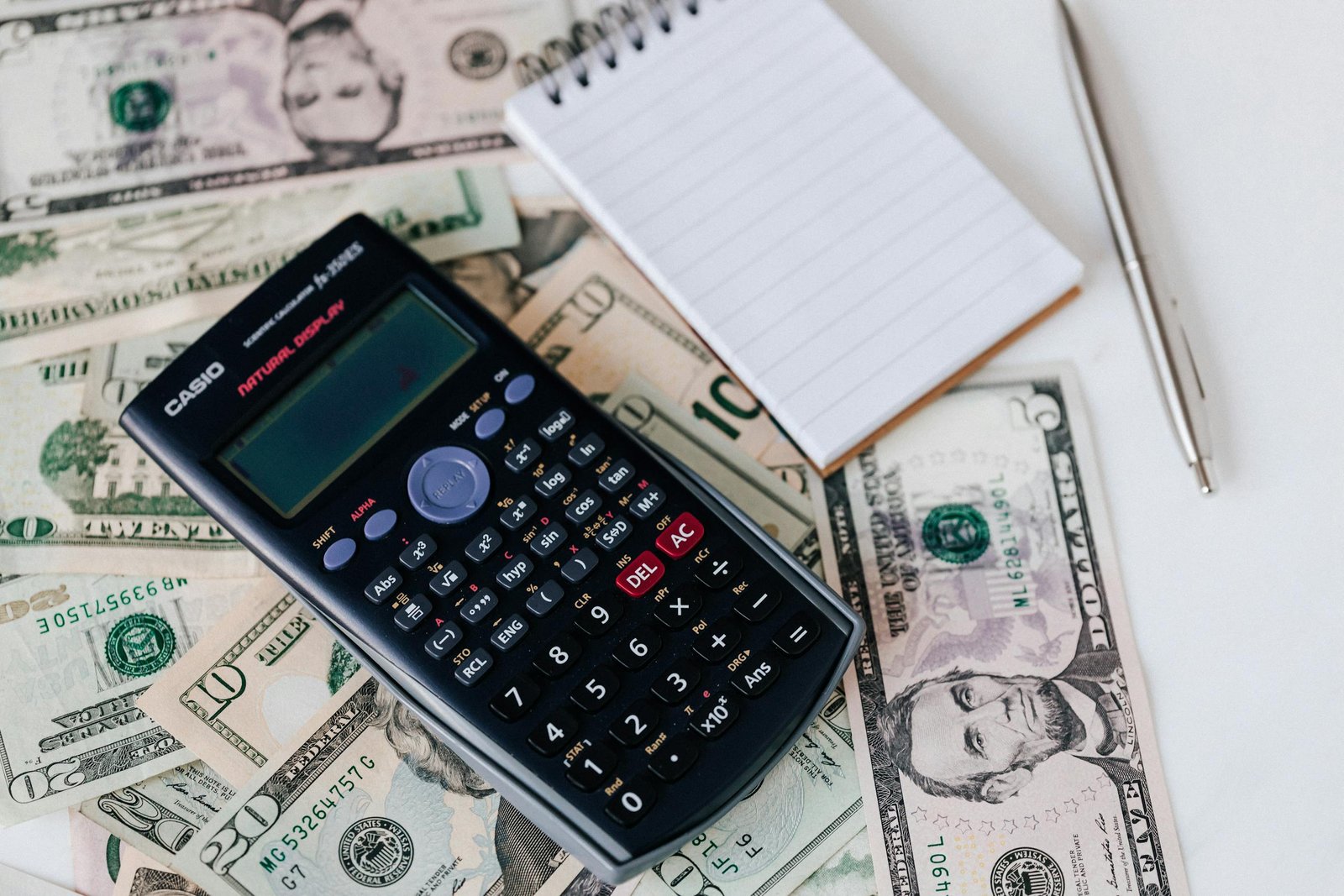
Most travel budgets get built around the two big-ticket items: flights and a place to sleep. The costs that actually catch you off guard tend to be smaller and stranger. It might be a phone that stops working the moment you land, an ATM screen with a decision most people click through without reading, or a coin you don’t have when you need one. Here are five of those costs, from real trips, and what to do about each.
The Connectivity Cost Nobody Warns You About
On a trip to Portugal, I assumed my phone plan would just work the way it does at home. It didn’t. International roaming wasn’t included, and I found that out the way most people do: no signal the moment I landed. I got by on the hotel Wi-Fi for the first stretch, then ordered an eSIM sized for the 10 days I’d be traveling. It activated in a few minutes with no physical SIM swap, and the connection held up on par with my regular mobile service back home for the rest of the trip.
This one is easy to check before you leave instead of after: call your carrier and ask directly whether your plan covers the country you’re flying to. If it doesn’t, price out an eSIM sized to your actual trip length rather than finding out the hard way at the airport.
Getting Cash Without Losing Money to the Exchange Rate
The ATM fee at my first cash withdrawal abroad was higher than I expected. I needed the cash, so I paid it. But the more useful lesson came from paying closer attention to the screen. Many international ATMs ask whether you’d like the withdrawal calculated in your home currency or the local one. Choosing your home currency lets the ATM set its own exchange rate on the spot, which is almost always worse than what your card issuer would give you. Choosing the local currency and letting your own bank or card network handle the conversion is the better move. It puts your bank’s real rate in charge instead of the ATM’s marked-up one.
Still deciding on flights? Compare Flight Options and Find the Best Deal →
We cover the exchange-counter-versus-ATM decision itself in more depth in our Swiss Travel Checklist; the currency-selection screen above is the piece worth adding to that, wherever you’re headed.
Entrance Fees That Add Up Fast
Museums and paid attractions rarely break a budget on their own, but they add up quickly once you’re visiting more than one a day, or traveling as a group instead of solo. Before a trip, list out the sites you actually plan to see and price them as a group total rather than assuming a few dollars here and there won’t matter. Multiplied across several stops and several people, it does.
The Smallest Fee With the Biggest Story
Some of the cheapest hidden costs make for the best stories. In several countries: Bolivia, Germany, and Panama among them… public restrooms charge a small fee, usually a coin dropped into a turnstile or handed to an attendant at the door. In Panama, an attendant will often hand you a bit of toilet paper along with letting you through, since the fee sometimes covers it.
The clearest example I’ve seen of this was on a multi-day circuit tour of Bolivia’s Salar de Uyuni, the vast salt flat in the country’s southwest. Our tour company put me and five other travelers into an SUV with a driver, who took us stop after stop across the region, most with some kind of restroom facility attached, each with their own small restroom useage fee. The fee crept up the farther we got from the nearest town. It was a small fee at the first stop, a bit more at each one after that. One couple in our group hadn’t planned for it and started counting out their remaining coins with real concern partway through the day. They made it through, and the tour eventually crossed the border into Peru or Chile to continue on. I still keep a small stash of coins in my day pack now, specifically for this.
Government Fees That Change More Than You’d Expect
Visa and entry-authorization fees aren’t fixed the way people assume. They change, sometimes by a lot, and a budget built on last year’s number can be wrong by the time you actually book. As of this writing, the U.S. ESTA authorization for Visa Waiver Program travelers costs $40, nearly double the $21 it cost before a fee increase took effect on September 30, 2025. The standard adult Schengen short-stay visa fee is €90, up from €80 since June 11, 2024. Check the current fee on the official page for your specific destination before you budget for it, this is one number worth reverifying close to your travel dates rather than trusting what you remember from last time.
Small Costs That Add Up on the Road
Unexpected small costs seem to turn up on every trip. Some I have run into:
- Restrooms: in some places there is a fee to use a restroom.
- Luggage storage: storing bags at a train station or airport so you can explore a city without carrying them is convenient, but it is an expense I did not plan for.
- ATM fees: there is typically a fee to withdraw cash, and sometimes it is higher than I expected. I decline the ATM’s own currency conversion and let my bank convert at its rate.
Before and After This Step
Once you’ve accounted for the costs above, the next step is turning them into an actual number: see our guide to setting a realistic travel budget, or head back to the Book Reservations & Prepare to Travel step for what else belongs on your checklist before booking. If flight cost is the piece you’re still working through, see our guide to comparing flight options. And if you don’t have a planning document to check any of this against yet, our Free Trip Planner Starter gives you a structure to start from.
This article is for informational and educational purposes only. Always verify current travel requirements with official government sources before making travel decisions.
Your next step
How to Set a Travel Budget That Works →