Imagine returning from a dream vacation, only to realize you’ve overspent your budget and missed out on experiences due to financial stress. This scenario is more common than you think, but with a well-crafted travel budget, it’s entirely preventable. A travel budget isn’t about restrictions—it’s about empowerment. It allows you to allocate resources strategically, ensuring every dollar spent enhances your journey rather than derailing it. The key lies in flexibility, research, and a willingness to adapt as circumstances shift. Whether you’re planning a solo adventure, a family getaway, or a romantic escape, the principles remain the same: clarity in planning and foresight in execution.
Start With Your Numbers, Not Your Destination
Before you allocate a dollar to flights or hotels, get clear on two things: what you can actually afford to spend, and what you actually want out of the trip. Skipping this step is what turns a budget into an afterthought instead of a plan.
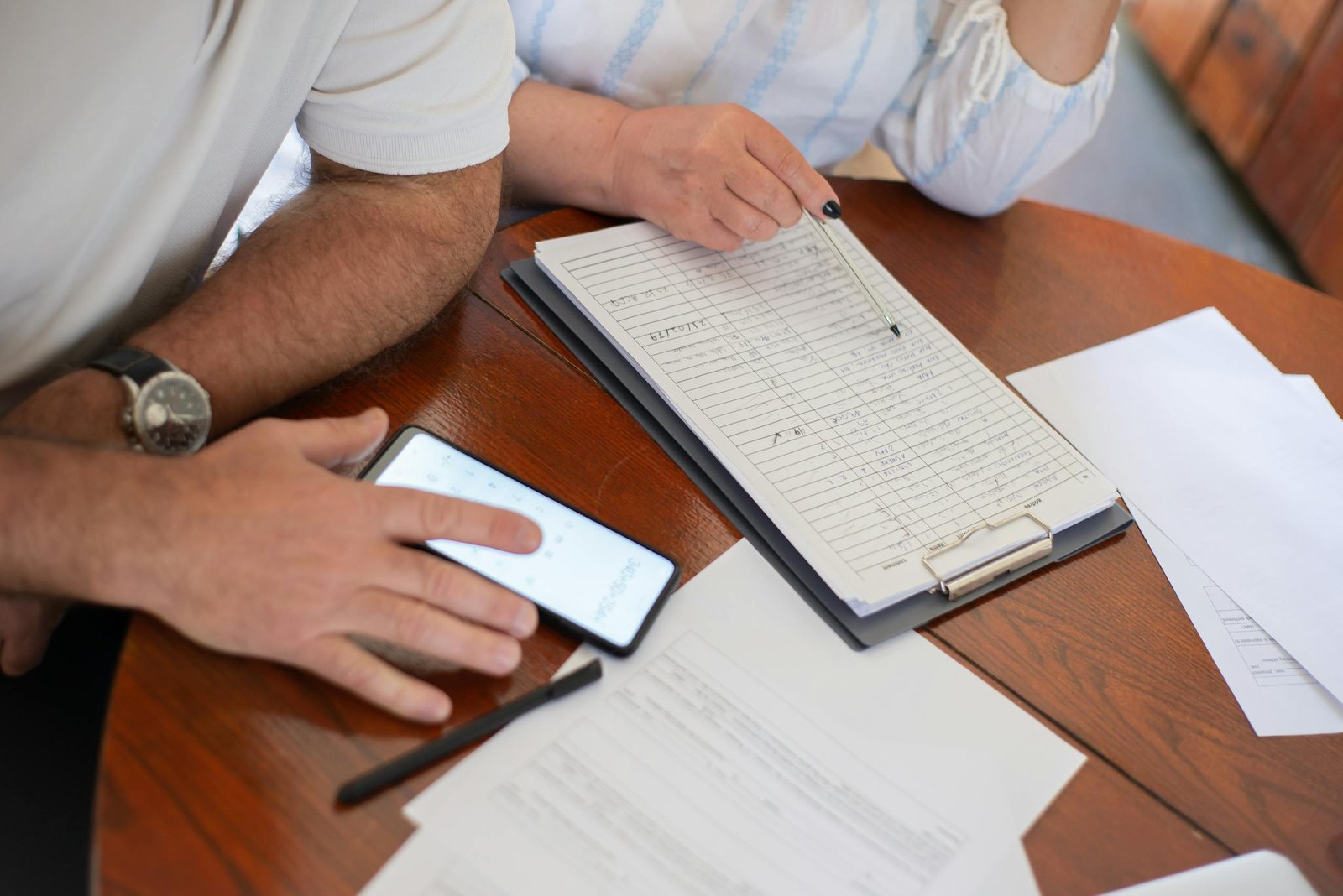
Start with your real financial starting point: what you have saved, minus any debt you’re carrying, divided by however many months you have until departure. That gives you a realistic monthly savings target instead of a vague “I’ll figure it out” number — a five-minute exercise, and one of the most commonly skipped steps before travelers start browsing flights.
Then set your budget before you fall in love with a destination, not after. A dream trip that costs more than you can comfortably spend isn’t really available to you yet — but a slightly different version of it, or a different destination entirely, might be. Working backward from a real number, rather than backward from a wish list, is what keeps a trip from becoming a financial hangover once you get home.
Worried about hidden fees? Hidden Travel Costs to Budget For →
Finally, decide what you actually want to prioritize before you start cutting corners. Most of the satisfaction in a trip usually comes from a small number of specific choices — a splurge meal, one guided experience, a nicer room for a couple of nights instead of all of them. Deciding those priorities upfront means the trade-offs you make later feel like choices, not cuts you were forced into.
Start with Transportation Costs: The Backbone of Your Budget
The foundation of any travel budget is the cost of getting to your destination. Airfare, train tickets, and car rentals often constitute the largest portion of expenditures. For international trips, flights are usually the single largest line item, while road trips shift the balance toward fuel and vehicle costs. Begin by researching average prices for your preferred travel dates using tools like Google Flights or Skyscanner, which track price trends and notify you when fares dip below your target range.
Flexibility in travel dates can unlock significant savings. Mid-week flights and off-peak hours often come with lower prices, and booking in advance—ideally 2–3 months prior to departure—can secure better rates. For road trips, consider the fuel efficiency of your vehicle and map out potential gas stops. Areas with regional gas chains like Mobil or Chevron may offer gift cards at a discount, a tactic budget-conscious travelers often recommend. These cards eliminate the risk of credit card fraud and lock in prices before departure.
Don’t overlook alternative transportation. Budget airlines, overnight trains, or shared ride services like Blablacar can cut costs significantly. For example, a cross-country train journey in the U.S. might cost half the price of a flight, while offering scenic views and the chance to unpack once. Always compare multiple options to find the sweet spot between cost and comfort.
Once transportation is set, the next step is to prioritize essential expenses. The goal is to allocate funds where they matter most, ensuring you return home with memories—not regret.
Prioritize Essential Expenses: Hotels, Food, and Amenities
Accommodation is the second-largest expense after transportation. A hotel with free amenities—such as breakfast, WiFi, and parking—can save hundreds of dollars over the course of a trip. For instance, a mid-range hotel including breakfast can work out level with a cheaper room once you add separate expenses for coffee and parking. Use filters on booking platforms like Booking.com or Hotels.com to highlight properties with these features.
Credit cards also play a role here. Cards with travel insurance coverage, such as the Chase Sapphire Preferred or Amex Platinum, can offset costs if a reservation is canceled or a rental car is damaged. Always review your card’s benefits before booking. For added security, consider purchasing a travel insurance policy that covers medical emergencies, trip cancellations, and lost luggage. These expenses are often overlooked but can quickly derail a budget if unaccounted for.
Food is another category ripe for savings. While dining out is a highlight of travel, it doesn’t have to break the bank. Stocking a hotel fridge with groceries from a supermarket, rather than eating every meal out, is one of the most reliable savings available. For example, a family can assemble lunch from a local grocery for a fraction of what one sit-down meal costs in a tourist district. Prioritize “mom and pop” eateries or local chains like Whataburger or Waffle House, which often offer hearty portions at a fraction of the price. Splurge on one or two special meals per trip to balance practicality with indulgence.
Packing light is another underappreciated strategy. Checked baggage fees add up quickly per bag, per direction, and carrying extras like laundry detergent or a reusable water bottle can cut down on purchases at the destination. For longer trips, plan to do laundry using hotel facilities or nearby laundromats, saving both money and space in your suitcase.
With essentials addressed, the next step is to build flexibility into your budget, allowing for unexpected opportunities and changes in plans.
Build Flexibility: Contingency Funds and Adaptability
No travel budget is immune to surprises. A last-minute attraction closure, a sudden flight delay, or a spontaneous detour can all shift your financial landscape. To mitigate these risks, allocate 10–15% of your total budget to a contingency fund. This buffer ensures you can navigate hiccups without compromising your core plans. For example, if your total trip costs $4,000, set aside $400–$600 for emergencies or spontaneous activities.
Flexibility also means embracing the unexpected. If a planned activity becomes too expensive, pivot to a free or low-cost alternative. Many cities offer free walking tours, museum days, or public festivals. In Paris, the Paris Museum Pass grants access to over 50 attractions at a discounted rate, but if it doesn’t fit your budget, opt for free exhibits at the Louvre or Centre Pompidou instead. Similarly, in cities like Barcelona or Tokyo, local transit passes can be more economical than paying per ride.
Travel insurance is another pillar of adaptability. While it adds an upfront cost, it can save thousands in unforeseen circumstances. For instance, if a storm forces you to cut your trip short, insurance may refund non-refundable bookings. Policies also cover medical evacuations, which are critical in remote destinations like Antarctica or the Galápagos Islands. Always read the fine print to ensure coverage aligns with your itinerary’s risks.
Finally, remember that a budget is a living document. Revisit it weekly during your trip, adjusting allocations based on actual spending. If you’re underspending on accommodations, consider extending your stay or upgrading to a more scenic location. Conversely, if dining costs are higher than expected, scale back on non-essential expenses like souvenirs. The key is to remain agile without losing sight of your priorities.
With flexibility in place, the next step is to enhance your experience by leveraging local insights and community-driven recommendations.
Leverage Local Insights: Hidden Gems and Practical Tips
Locals know the best-kept secrets, from tucked-away beaches to under-the-radar restaurants. Engaging with them can elevate your trip while saving money. For example, a conversation with a local police officer might reveal a free public art trail or a family-owned café with unbeatable prices. In cities like Rome or Bangkok, asking vendors at night markets for their favorite spots can lead to discoveries that no guidebook mentions.
Shopping locally also offers savings. In Orlando, the big-box and grocery stores near the theme parks — Walmart, Target and Publix among them — carry a lot of the same character merchandise for noticeably less than the in-park shops. Similarly, in Tokyo, Lawson or FamilyMart sells branded snacks and souvenirs at a fraction of the cost in tourist zones. Always compare prices across neighborhoods to avoid overpaying.
Public transportation is another area where locals can guide you. For instance, in a city with a good metro system, using it instead of taxis can cut daily transit spending dramatically. Apps like Citymapper or Transit provide real-time schedules and route planning, but don’t hesitate to ask for directions at metro stations or cafes. Locals often offer tips on avoiding crowded routes or the best times to ride.
Finally, consider joining local experiences led by residents. Platforms like Withlocals or Meetup connect travelers with community-driven activities, from home-cooked meals to guided hikes. These options are typically cheaper than commercial tours and offer authentic interactions. A cooking class or a market tour often costs a fraction of a packaged group excursion, and tends to be more memorable. Plus, these experiences often come with insider knowledge you’d miss in a standard itinerary.
With these insights, your budget becomes more than a financial plan—it transforms into a roadmap for unforgettable, cost-effective adventures. The next step is to reflect on your trip and refine your approach for future journeys.
Review and Refine: Post-Trip Budget Analysis
After returning home, take time to analyze your spending. Did you stick to your budget? Were there categories where you overspent or underspent? For example, if you allocated $200 for dining but spent $300, identify the cause—was it a splurge meal, higher-than-expected restaurant prices, or frequent snacks? Conversely, if you underspent, consider redirecting those savings toward future trips or personal goals.
Use digital tools to track expenses. Apps like Expensify or Trail Wallet categorize spending automatically, making it easy to spot trends. This data becomes invaluable for future planning. Suppose you discover that transportation accounted for 60% of your budget; next time, you might prioritize trains over planes or adjust your departure dates to secure lower fares.
Also, reflect on what worked and what didn’t. Did you enjoy the flexibility of a contingency fund? Would you allocate more to accommodations or less to dining? Honest reflection ensures each trip improves upon the last. For instance, if you regret not extending your stay in a budget-friendly location, future trips can factor in extra nights. Conversely, if an attraction was overhyped, eliminate it from future itineraries to save time and money.
Finally, update your budgeting approach based on lessons learned. Maybe you’ll adopt new tools, like Google Flights for tracking fares or Skyscanner for hidden city tickets. Perhaps you’ll prioritize local recommendations over guidebooks or shift your focus from high-end hotels to boutique stays. The goal is continuous improvement, ensuring each journey is both enriching and financially sustainable.
FAQ: Common Travel Budget Questions
How do I handle unexpected costs like flight delays or medical emergencies?
Build a contingency fund (10–15% of your total budget) and invest in travel insurance. These measures cover most unforeseen expenses, from rebooking flights to covering medical bills in remote destinations.
Is it better to book everything in advance or leave room for spontaneity?
Striking a balance is ideal. Book flights and major accommodations in advance to secure prices, but leave 1–2 days open for exploration. This approach minimizes financial stress while allowing flexibility.
What if my budget doesn’t cover all the experiences I want?
Prioritize based on value. Allocate more funds to activities that offer the most personal satisfaction and reduce spending in lower-priority areas. For example, cut back on souvenirs to afford a once-in-a-lifetime tour.
How can I save money on food without sacrificing quality?
Stock up on groceries at local stores, eat at “mom and pop” eateries, and use apps like Yelp or Google Maps to find highly rated, budget-friendly options. Splurge on one or two meals per trip for balance.
This article is for informational and educational purposes only. Always verify current travel information, visa requirements, entry rules, and health guidance with official government sources and qualified professionals before making travel decisions.
Your next step
When to Buy Travel Insurance and What to Compare →