The Japan Rail Pass vs. Paying Per Trip: How to Decide
The Japan Rail Pass (JR Pass) is one of the first things first-time visitors hear about, and one of the easiest to get wrong. It is not a bargain by default. Whether it pays off depends on your itinerary, and the only reliable way to know is to do the math. I have traveled around Japan several times without a car, and I did that comparison against my own plans. The pass was not cost-effective for me, and this guide shows you how to run the same check.
What the Pass Covers
The JR Pass gives unlimited travel on most Japan Railways (JR) lines, including most Shinkansen bullet trains, for 7, 14 or 21 consecutive days. It does not cover private railways or city subway systems, which you will use heavily in places like Tokyo and Osaka. The fastest Shinkansen services have required a surcharge, so confirm which trains are covered before you plan around them. Prices have risen in recent years and JR announced a further increase from October 2026, so check the official Japan Rail Pass website for the current price and for how to buy and exchange the pass.
Step 1: List Your Actual Rides
Write down every long-distance leg you plan to take, in order, with dates. A typical trip might include an airport transfer, a Shinkansen between two or three cities, and a few day trips. Do not count city metro rides, since the pass does not cover them.
Step 2: Price Each Leg as a Single Ticket
Look up the single fare for each leg using a route planner or the operators’ own fare tables, and add them up. Compare that total with the price of the pass for your trip length. If the single fares come in below the pass, skip it. If they come in clearly above it, the pass is worth considering.
Step 3: Account for How You Travel
The pass favors itineraries with repeated long hops in a short window. It tends to lose when you base yourself in one or two cities and take a few day trips, because the pass days run out while you are sightseeing on foot or by metro. Remember that the clock runs for consecutive days, not rides.
What I Did Instead
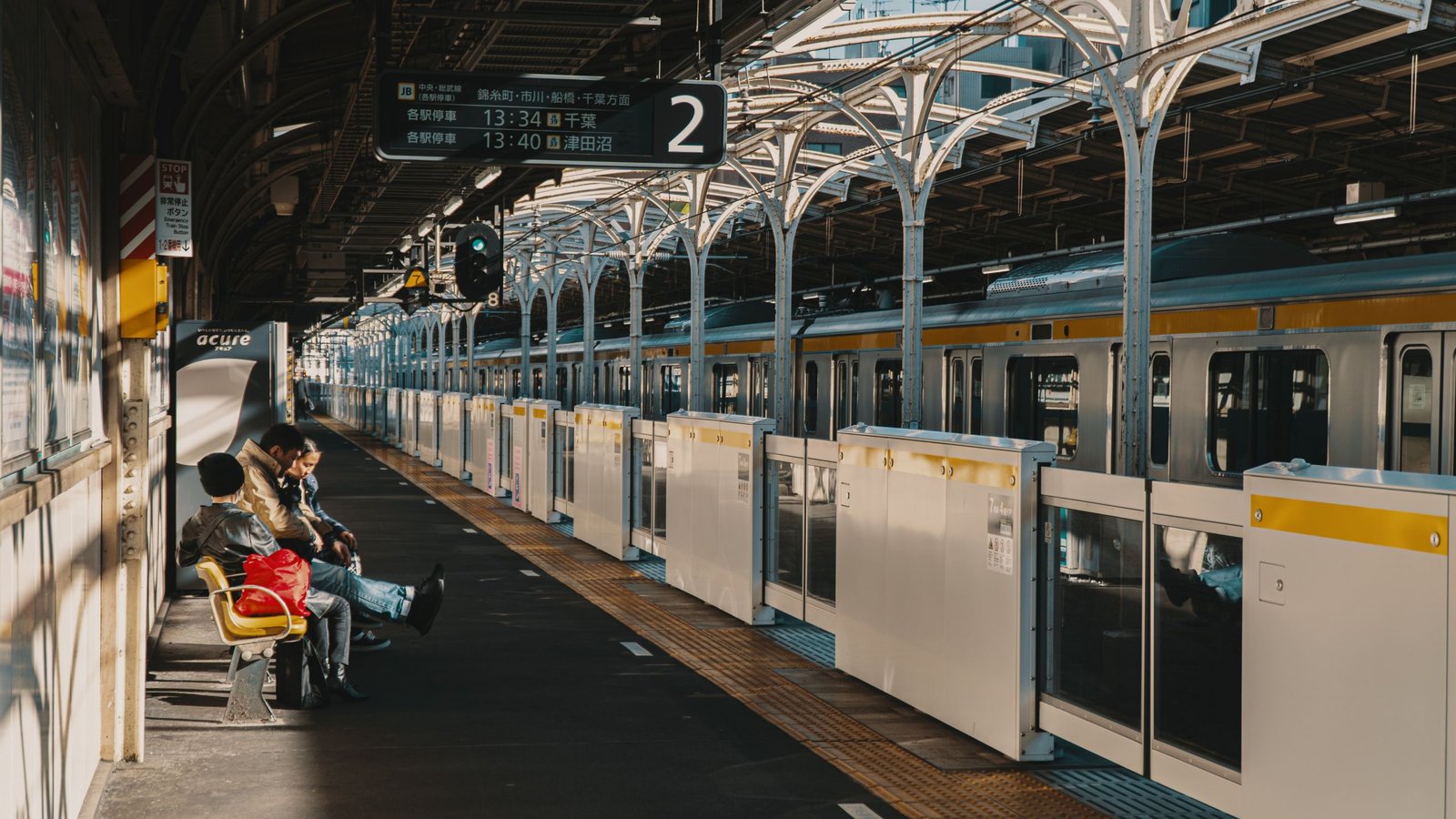
Getting around Japan by train, metro, bus and taxi is easy and cost-efficient even on individual tickets. My routine was simple:
- Buy and preload an IC card (ICOCA, Suica and similar). It makes entering and leaving stations much easier and handles short hops painlessly.
- Use cash on buses that do not take IC cards. Exact change is preferred for speed, though many drivers will make change.
- Buy single tickets at JR machines. The kiosks in Hiroshima and Osaka had an English option and accepted both cash and credit cards.
I covered Tokyo, Kyoto, Osaka and Hiroshima this way, plus the Kumano Kodo, and never wanted a car in any Japanese city.
When the Pass Does Win
The same method can point the other way. On a trip through Switzerland I used a Swiss Travel Pass. The itinerary was train-heavy (Zürich, Zermatt, Geneva, Bern and Lucerne) and I added lake ferries and cable cars, so the pass came out clearly cheaper than buying tickets one by one. The lesson applies to Japan too: the right choice depends on the route, not on what other travelers recommend.
Action Steps
- List your long-distance legs with dates.
- Price each as a single ticket and total them.
- Compare the total with the current pass price on the official site.
- If you skip the pass, buy an IC card and plan to use single tickets.
For a first-timer’s walk through the pass itself, see our sister site’s Japan Rail Pass guide.
Related reading: Make the Most of Flexible Travel Dates, First Trip to Japan: Plan Ahead!.
This article is for informational and educational purposes only. Always verify current travel requirements with official government sources before making travel decisions.