Level 1 Article

Start with the basics

This article is part of Level 1, for travelers who want a clearer starting point and more confidence before moving deeper into travel planning.

Solo Travel Safety: What to Know Before Your First Trip Alone

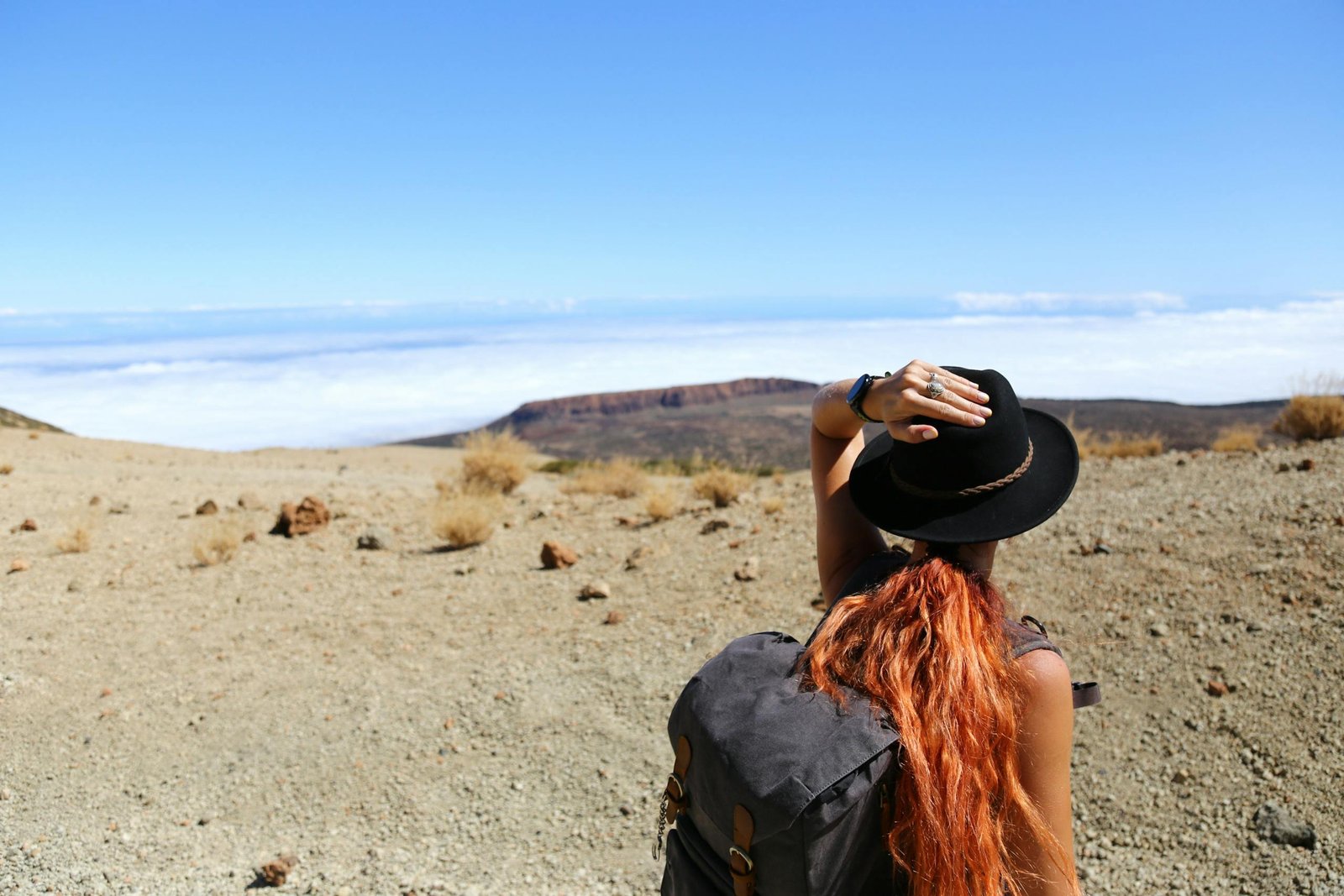
Woman standing in a desert landscape, looking at distant mountains, wearing a hat and backpack. Solo Travel

“This post contains affiliate links. See our Affiliate Disclosure for details.”

You step off the plane into the humid air of a bustling airport, backpack slung over one shoulder, and realize no one is there to meet you. The rush of independence is tempered by a flicker of doubt: is this a mistake? For many first-time solo travelers, this moment captures the duality of venturing alone—equal parts exhilaration and uncertainty. The global solo travel market, valued at over $150 billion in 2023, reflects a growing appetite for self-directed exploration, but with that freedom comes the need for informed preparation. Safety, in this context, isn’t about avoiding risk entirely but about cultivating awareness, adaptability, and a toolkit of practical strategies. The following guide distills two decades of travel expertise into actionable insights, ensuring your first solo journey is both memorable and secure.

Pre-Trip Preparation: The Foundation of Solo Safety

Before setting foot in a new city, thorough research is nonnegotiable. Start by cross-referencing destination-specific safety resources, such as the U.S. Department of State’s Travel Advisories or the United Kingdom’s FCDO Guidance. These documents highlight local crime patterns, political climates, and health advisories. For instance, while Tokyo consistently ranks among the safest cities globally, with a reported 0.002% violent crime rate, areas like Venice’s Piazza San Marco require vigilance due to pickpocketing hotspots. Understanding these nuances allows you to align expectations with reality.

Packing smart is equally critical. Essentials like a portable phone charger, a compact first-aid kit, and copies of your passport and travel insurance documents should be nonnegotiable. Physical copies of these items, stored separately from your originals, can prove invaluable in emergencies. Digital tools like the Trips app from Google streamline itinerary sharing, enabling trusted contacts to track your movements without infringing on privacy. For financial security, consider carrying a combination of credit cards and a travel-specific debit card, such as those offered by Revolut or Monzo, which allow real-time spending alerts and currency conversion.

Communication is another pillar of pre-trip planning. Share your itinerary with a family member or friend, including hotel addresses, transportation schedules, and emergency contacts. Some travelers opt for devices like the Garmin inReach Mini, which provides satellite messaging in remote areas. While technology is a powerful ally, it’s wise to memorize key local emergency numbers—such as 112 for pan-European assistance or 911 in the Americas—just in case connectivity fails.

Finally, consider cultural preparedness. Researching local customs, such as dress codes in religious sites or tipping norms in restaurants, prevents unintentional offense and builds confidence in social interactions. A phrasebook or translation app like Google Translate can bridge language gaps, fostering smoother encounters in regions where English is less prevalent.

Choosing the Right Destination: Balancing Adventure and Security

The choice of destination significantly shapes the safety of a solo trip. Cities like Reykjavik, Iceland, and Singapore are frequently cited for their low crime rates and robust infrastructure, making them ideal for first-time solo travelers. Conversely, regions with political instability, such as parts of Central America or the Middle East, demand heightened caution. The Global Peace Index 2023 ranks Iceland, New Zealand, and Denmark among the most stable nations, while countries like Afghanistan and Syria remain high-risk zones.

Local resources can further refine destination selection. Online forums like Lonely Planet’s Thorn Tree or Reddit’s r/travel offer real-time insights from seasoned travelers, often highlighting lesser-known risks. For example, while Paris is a beloved destination, its Montmartre district sees frequent scams targeting tourists. Similarly, in Southeast Asia, cities like Siem Reap, Cambodia, require awareness of tuk-tuk fare manipulation. By prioritizing destinations with strong tourism infrastructure and clear safety guidelines, solo travelers mitigate risks without sacrificing adventure.

Language barriers should also factor into destination decisions. While destinations like Japan or South Korea may pose challenges for non-English speakers, their well-maintained signage and widespread use of translation apps make navigation feasible. Conversely, regions like rural Eastern Europe or parts of Central Africa may require more linguistic preparation. Language learning apps like Duolingo or Babbel can equip travelers with essential phrases, enhancing both safety and cultural immersion.

Lastly, consider accessibility. Destinations with reliable public transportation, such as Berlin’s U-Bahn or Bangkok’s Skytrain, offer solo travelers greater mobility and comfort. In contrast, areas reliant on informal transport networks—often lacking regulatory oversight—may introduce logistical complexities. Always verify visa requirements and entry restrictions beforehand, as unexpected bureaucratic hurdles can turn a planned adventure into an ordeal.

Staying Connected: Communication is Key

In an era where connectivity is both a lifeline and a vulnerability, solo travelers must balance staying in touch with maintaining privacy. A local SIM card is often the most cost-effective solution for continuous communication, though services like Google Fi or OneSimCard offer international data plans without the hassle of physical cards. For areas with spotty coverage, apps like WhatsApp or Signal provide encrypted messaging, ensuring sensitive information remains secure. However, avoid relying solely on digital tools; in emergencies, traditional phone calls may be more reliable.

Regular check-ins with a trusted contact can provide an added layer of reassurance. Establish a routine—such as sending a daily message or making a weekly call—to signal that you’re safe. Some travelers use geolocation-sharing apps like Life360 or Find My Friends, which allow real-time tracking without constant surveillance. The key is to maintain this practice without overburdening relationships; a simple, scheduled update often suffices.

Emergency preparedness extends beyond communication. Familiarize yourself with the U.S. Embassy or equivalent consular services in your destination. Their websites typically list emergency contact numbers, legal assistance options, and health resources. In countries with less developed medical infrastructure, such as parts of Africa or South Asia, research private clinics or international hospitals with English-speaking staff. Storing these details in a physical notebook and digitally in your phone ensures accessibility even during device malfunctions.

Lastly, leverage community-driven safety tools. Platforms like SafeTravel or Windy provide real-time updates on natural disasters or civil unrest. Crowdsourced crime maps, such as Numbeo, offer insights into local safety trends. By integrating these resources into your travel routine, you transform potential risks into manageable variables.

Cultural Savvy: Navigating Social Norms

Cultural awareness is not just a courtesy—it’s a safety measure. In many societies, certain behaviors can inadvertently draw attention or create discomfort. For example, in conservative regions like Saudi Arabia or parts of India, modest dress is essential to avoid unwanted scrutiny. Conversely, in countries with strict gender segregation laws, such as Iran, solo female travelers may need to research specific rules to avoid legal complications. Researching these norms preemptively prevents awkward or dangerous situations.

Respecting local customs also fosters positive interactions. In Japan, bowing is a standard greeting, while in parts of West Africa, the left hand is considered unclean. Missteps in these areas can lead to unintended offense, which may escalate in high-tension environments. Learning basic phrases in the local language, such as “thank you” or “where is the bathroom?”, demonstrates effort and often earns goodwill from locals. Apps like Phrasebook or Google Translate offer offline functionality for this purpose.

Be wary of stereotypes, as they can cloud judgment. While media often paints certain regions as inherently dangerous, the reality is far more nuanced. For instance, while Central America has pockets of high crime, cities like Costa Rica’s San José or Panama City are generally safe for tourists. Similarly, Eastern European destinations like Prague or Budapest often see solo travelers without incident, despite lingering misconceptions. Trusting local insights over generalized warnings ensures a more accurate and enriching experience.

Finally, observe and adapt. Solo travelers should pay attention to how locals behave in different situations—whether it’s queuing for public transport or handling money in markets. Mimicking these behaviors signals respect and reduces the likelihood of being targeted. When in doubt, err on the side of caution: if a situation feels off, it probably is.

Emergency Protocols: Knowing What to Do When Things Go Wrong

Despite meticulous planning, emergencies can arise. Health issues are among the most common, making comprehensive travel insurance a necessity. Policies like those from World Nomads or InsureMyTrip cover medical evacuations, lost luggage, and trip cancellations. Always verify that the insurance provider has a network of partner hospitals in your destination. For example, GeoBlue maintains partnerships in over 100 countries, ensuring access to quality care even in remote regions.

Handling theft requires a blend of vigilance and composure. In high-risk areas, consider using anti-theft bags with slash-proof material or RFID-blocking compartments. If pickpocketing occurs, prioritize securing digital assets first—contacting your bank to freeze compromised cards and changing online account passwords. Document the incident with local authorities and report it to your embassy, as this can expedite insurance claims and provide a legal record.

When natural disasters strike, preparation is paramount. In earthquake-prone Japan, hotels often have evacuation drills and emergency kits; in hurricane zones like the Caribbean, tracking real-time weather updates via NOAA or Windy is crucial. Similarly, in regions with monsoons or wildfires, having an evacuation plan and knowing the nearest shelters can be life-saving.

For diplomatic emergencies, consulates and embassies are invaluable. They can assist with lost passports, legal issues, or medical referrals. Always carry the contact details of your country’s diplomatic mission, and if possible, register with your government’s travel registry (e.g., the U.S. Smart Traveler Enrollment Program). This registration ensures you receive critical alerts and can be located in emergencies.

Trusting Your Instincts: The Solo Traveler’s Intuition

Instinct is a solo traveler’s most underrated tool. If a situation feels uneasy—whether it’s a taxi driver insisting on a longer route or a “helpful” stranger who seems overly insistent—trust your gut and remove yourself from the scenario. In cities like Istanbul or Buenos Aires, where scams often rely on psychological pressure, remaining calm and disengaged can defuse tensions. Similarly, avoiding isolated areas at night, especially those with limited foot traffic, minimizes exposure to potential risks.

Transportation choices also reflect intuition. While ride-hailing apps like Uber or Grab offer safety features such as shared ride codes and driver ratings, public transport in unfamiliar cities requires caution. Opt for well-lit, busy stations and avoid accepting rides from unregistered vehicles. In places like Mexico City or Moscow, where taxi scams are common, always verify the fare in advance or use metered services.

Building a network of local contacts can further enhance safety. Engaging with hotel staff, café owners, or tour guides often yields practical advice tailored to your destination. For instance, a host in Lisbon might warn against walking alone along the Tagus River at dusk, while a host in Marrakech could recommend specific medina routes to avoid scams. These insights, gathered through observation and respectful inquiry, turn strangers into allies.

Ultimately, solo travel is about embracing autonomy while staying attuned to your environment. The ability to assess risks, adapt plans, and prioritize self-care transforms a first trip into a foundation for future adventures. By integrating preparation, awareness, and intuition, you

Affiliate Disclosure: This article may contain affiliate links. If you purchase through these links, we may earn a small commission at no additional cost to you. We only recommend products and services we believe will add value to our readers.

More Articles Like This...

Leave a Reply

Your email address will not be published. Required fields are marked *