Imagine standing in the shadow of Mount Everest in April, the air crisp but manageable, while avoiding the summer monsoon crowds. Or soaking up the sun on a Thai beach in November, when the rain season has ended but the crowds have yet to arrive. The difference between a transformative trip and a mediocre one often hinges on a single decision: when to go. Choosing the right time to visit a destination isn’t just about weather—it’s about aligning your travel goals with the rhythms of the planet, the pulse of local life, and the realities of global tourism. Let’s break down how to decode these rhythms like a seasoned traveler.
Decoding Climate Cycles: The Science of Smart Timing
The Earth’s climate isn’t random—it follows patterns as predictable as the tides. Take the Alps, where snowfall peaks in January but the best skiing conditions often arrive in February. The snowpack stabilizes, crowds begin to thin after the holiday rush, and temperatures remain reliably cold enough to sustain the slopes. Conversely, Andalusia in southern Spain offers a counterintuitive sweet spot in April, when the Mediterranean coast shuns its usual spring chill for balmy days and minimal rain.
Asia’s monsoon systems are another masterclass in timing. Thailand’s southern islands, battered by the monsoon from May to October, transform into paradisiacal escapes in November and December. Yet venture north to Chiang Mai, and you’ll find that the cooler mountain climate peaks in January and February. The key is to map your destination’s microclimates: a region’s topography can create wildly different conditions just a few hours apart.
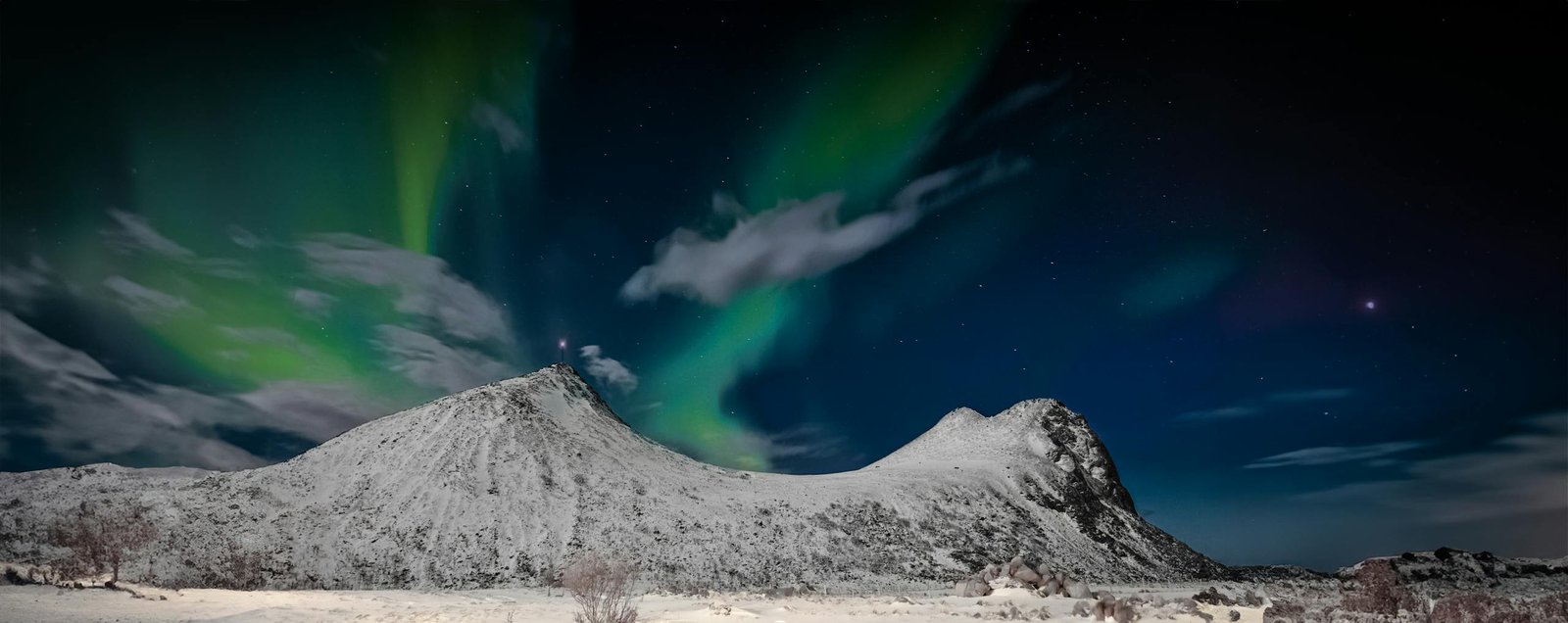
South America’s Patagonia exemplifies this complexity. The best time to hike Torres del Paine is December to February, when the Southern Hemisphere’s summer thaws frozen trails. Yet if you’re chasing the Southern Lights, you’ll need to wait until the austral winter, when skies are clearer and darker. These examples prove that the “best” time isn’t a one-size-fits-all calendar date—it’s a mosaic of factors.
By studying long-term climate data from sources like TheBestTimeToVisit, you can identify these seasonal shifts. For instance, Vietnam’s Central Highlands enjoy a dry season from November to April, but Hanoi’s northern plains see their most pleasant weather in October. This level of specificity turns vague travel plans into precision-guided adventures.
Seasonal Attractions: Timing Events Over Weather
Weather is just one piece of the puzzle. Consider the difference between visiting Kyoto in March versus April. Both months avoid the rain, but March misses the cherry blossom season, which peaks in mid-April. Similarly, Morocco’s Sahara Desert is best traversed in October and November, not just for milder temperatures but to coincide with the smaller, more intimate desert festivals that draw far fewer tourists than the crowded summer months.
Some destinations are defined by singular experiences that require precise timing. Patagonia’s “summer” (December–February) isn’t just about warm weather—it’s when the Southern Cross constellation dominates the night sky and the days are long enough for multi-day treks. In Antarctica, the window for cruise ships narrows to just a few months, with November to February offering 24-hour daylight and stable ice conditions.
Local festivals often dictate the best times to visit. India’s Pushkar Camel Fair in November isn’t just a cultural spectacle; it’s when the desert town transforms into a vibrant hub of music, food, and equestrian sports. Meanwhile, Japan’s Nebuta Matsuri in Aomori (late July to early August) combines summer heat with dazzling light displays, creating a unique sensory experience.
These examples illustrate a truth: the best time to visit often hinges on what you want to experience, not just what you want to avoid. A ski resort in the Alps might be busy in January, but the same slopes could be eerily empty in March, offering unmatched serenity.
Mastering the Art of Crowd Avoidance
Travelers often equate peak season with peak prices, but the true cost of overcrowding is measured in patience. A study by Travel + Leisure found that the most common regret among travelers is booking during high-demand periods. The solution? Think off-season, not just off-peak.
Take the Caribbean: the “shoulder season” (April–May) offers hurricane-free sailing, lower rates, and uncrowded beaches. The same logic applies to European cities—Paris in September avoids both the summer tourist deluge and the post-Christmas rush. Even ski destinations see a second wave of visitors in March, as families return after the school year resumes.
Reddit’s TravelHacks community swears by October as the optimal month for budget-conscious travelers. Airlines slash fares, hotels reduce rates, and attractions open early to accommodate post-holiday crowds. This strategy works globally: in Australia, October to November is ideal for the Great Barrier Reef, when water clarity is high and tour prices drop.
Crowd avoidance also means embracing counterintuitive destinations. When everyone flocks to Bali, consider Lombok or Gili Islands, which offer similar landscapes with far fewer tourists. The same applies to the Maldives—visit the southern atolls in the wet season, where overwater bungalows are half-price and the rain rarely lasts more than an hour.
Adapting to Policy and Practicality
Timing isn’t just about weather and crowds—it’s about navigating the shifting sands of travel policy. The UK’s Electronic Travel Authorization (ETA) system, for instance, now imposes a £20 fee for 85 nationalities starting April 8, 2026. While this doesn’t dictate when to visit, it does influence how early you must plan. Similarly, Nepal’s stricter Mount Everest permit rules (effective 2027) require climbers to apply earlier and pay higher fees to secure slots.
Health and safety factors also play a role. Malaria risk zones in Africa, for example, see surges during rainy seasons, while dengue fever in Southeast Asia peaks in summer. The Travel Health Pro database can help you align your travel dates with low-risk periods.
Economic factors should be on your radar too. Inflation-driven price hikes in popular destinations like Thailand and Portugal mean that visiting during their shoulder seasons isn’t just comfortable—it’s financially prudent. For example, Thailand’s southern islands see hotel rates drop by 40% in November compared to December.
Finally, consider logistical realities. Airline schedules, border closures, and even local transportation systems often follow seasonal rhythms. The Mekong River’s water levels, for instance, dictate when cruise ships can operate in Cambodia and Vietnam. A misaligned travel date could mean missing an entire segment of your journey.
FAQ: Answering the Big Questions
How do I balance weather preferences with budget?
Start by identifying non-negotiables. If you must have dry weather, prioritize destinations with short rainy seasons. For budget flexibility, consider “lesser” destinations during their off-season. For example, Andalusia’s shoulder season (April–May) offers both good weather and lower prices compared to the Mediterranean’s summer peak.
Can I visit popular destinations during their off-season?
Absolutely. Just expect fewer amenities and services. Venice in October is quieter but may have shorter museum hours. The upside? You’ll pay 30–50% less for hotels and flights, and attractions like St. Mark’s Basilica won’t feel like a mosh pit.
How do I avoid peak travel months in Europe?
Target shoulder seasons: April–May and September–October. Cities like Barcelona and Rome are sweltering in July, but September brings manageable heat and far fewer tourists. For winter sports, aim for late February to avoid the post-Christmas rush.
What about destinations with unpredictable weather?
Research historical averages, but stay flexible. The Caribbean’s dry season is November–April, but hurricanes can still form in October. Always check real-time weather updates and have backup plans for outdoor activities.
Conclusion: Timing is Everything
The art of choosing the right travel time lies in balancing data with intuition. Yes, weather patterns and festival calendars matter—but so does your personal tolerance for heat, cold, crowds, and spontaneity. By aligning your travel goals with these factors, you’ll not only avoid the pitfalls of peak season but also unlock hidden gems that most travelers overlook.
Remember: the best time to visit is the time that works best for you. Whether you’re chasing the Northern Lights in January or snorkeling in Bali’s post-rainy season, the world rewards those who plan with purpose. So study the patterns, stay adaptable, and let your travel calendar become a masterclass in global rhythms.
This article is for informational and educational purposes only. Always verify current travel information, visa requirements, entry rules, and health guidance with official government sources and qualified professionals before making travel decisions.