
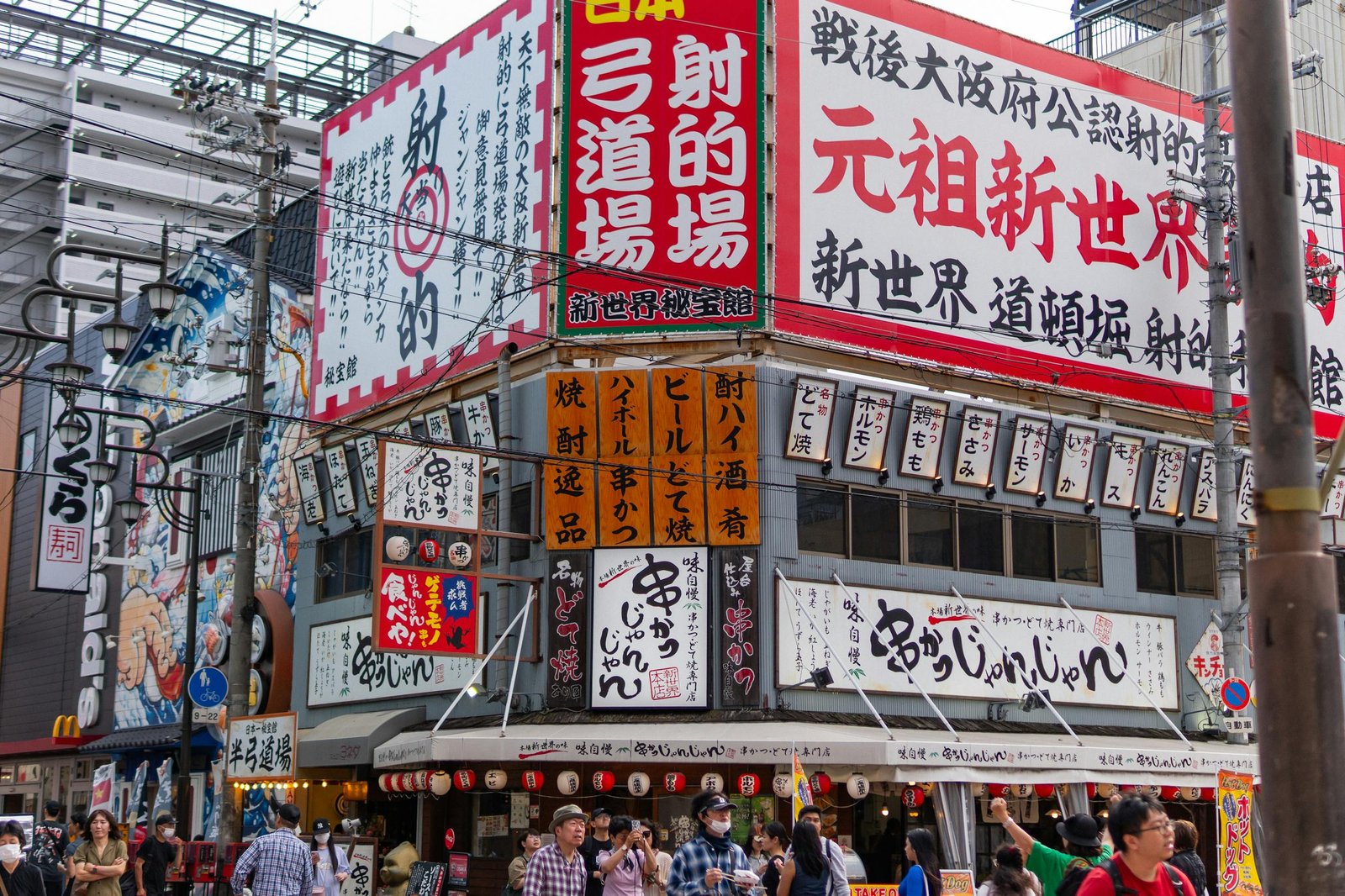
Osaka, often overshadowed by Tokyo’s gleaming skyscrapers and Kyoto’s historic allure, stands out as a vibrant culinary and cultural hub that offers a unique blend of authenticity and modernity. The city’s reputation as a food lover’s paradise is bolstered by its numerous food festivals and diverse street food scene, making it a must-visit destination for those seeking an immersive experience of Japanese culture.
Why Food Lovers Flock to Osaka
Osaka is renowned for its delectable offerings, where every street corner and traditional market brims with culinary delights. The city’s signature dish, Takoyaki, is a testament to its rich food culture, with its crispy exterior and tender octopus filling captivating the taste buds of both locals and tourists alike. Beyond the iconic street food, Osaka’s gourmet restaurants cater to every palate, from traditional sushi to avant-garde molecular gastronomy.
For Japan in particular, Klook is one of the easiest platforms to pre-book day passes, rail tickets, and attraction entries before you land – which saves considerable time at the gate. Klook

Travelers often find themselves drawn to Osaka not just for its food, but for the city’s lively atmosphere that extends beyond the plate. The Dotonbori district, with its neon lights and bustling streets, offers a vibrant nightlife scene that complements its day-time food markets. Visitors can indulge in a variety of experiences, from sipping sake in traditional izakayas to dancing the night away in modern clubs.
For those looking to explore beyond the city’s culinary delights, the Osaka Aquarium Kaiyukan is a must-visit attraction. As one of the largest aquariums in the world, it houses an impressive collection of marine life, including the majestic whale shark. The aquarium’s stunning exhibits and educational programs provide a unique opportunity to appreciate the natural beauty and diversity of the ocean.
As visitors savor the flavors and sights of Osaka, they are often left wondering about the city’s charm. The blend of tradition and innovation, alongside the warm hospitality of its people, continues to draw travelers from around the globe.
Exploring Osaka’s Cultural Landmarks
While food is a major draw, Osaka also boasts a rich cultural heritage that is best experienced through its landmarks and historical sites. The Osaka Castle, a symbol of the city’s history and resilience, stands as a testament to its past. Its impressive architecture and extensive grounds provide a comprehensive view of Japan’s samurai era. Visitors can enjoy panoramic views of the city from the castle’s observation deck, making it a perfect spot for photography and reflection.
Another cultural highlight is the Umeda Sky Building, a modern architectural marvel that offers visitors a unique perspective of the city. Its Kuchu Teien Observatory provides stunning views and a chance to experience the building’s art and architecture in a private behind-the-scenes tour, an opportunity usually reserved for a select few.
The city’s museums, such as the National Museum of Art, Osaka, offer a deeper dive into Japan’s art and culture. The museum’s rotating exhibits feature both traditional and contemporary works, showcasing the evolution of Japanese art and the city’s role in the country’s cultural landscape.
These landmarks and cultural attractions provide a well-rounded experience for visitors, allowing them to connect with Osaka’s past and present.
Why Osaka Stands Out from the Rest of Japan
Compared to other major cities like Tokyo and Kyoto, Osaka offers a distinct charm that appeals to a wide range of travelers. Tokyo, while brimming with modernity and technology, can feel overwhelming with its crowded streets and fast pace. Kyoto, on the other hand, is steeped in tradition and history, making it a favorite for those seeking a more tranquil experience.
Osaka, however, strikes a balance between these extremes. It is cozy and down-to-earth, offering a more relaxed and approachable atmosphere than its counterparts. The city’s food and shopping scenes are also notably less crowded, making it a haven for those who appreciate a more personal and intimate travel experience.
Additionally, Osaka’s strategic location makes it an ideal base for exploring other parts of the Kansai region, including Nara, Kobe, and Himeji. Its extensive public transportation network and proximity to these destinations allow for easy day trips, enriching the overall travel experience.
The city’s walkability further enhances the visitor’s experience, allowing them to discover hidden gems and explore neighborhoods at a leisurely pace.
Why Osaka Continues to Inspire Return Visits
The allure of Osaka is not just in its immediate attractions but in the lasting impressions it leaves on visitors. The city’s unique blend of warmth and authenticity keeps travelers returning for more. Whether it’s the friendly locals, the endless variety of food, or the cultural richness, Osaka has a way of captivating hearts and minds.
Seasoned travelers often highlight the city’s ability to offer new experiences with each visit. From the annual Osaka Food Festival to the vibrant summer events in Dotonbori, there is always something new to explore and discover. The city’s dynamic nature ensures that every return trip is unique and rewarding.
Moreover, the city’s reputation for hospitality is well-earned, with many first-time visitors becoming loyal fans after just one trip. The city’s ability to cater to both first-time visitors and seasoned travelers is a testament to its diverse offerings and welcoming nature.
FAQs
Is Osaka safe for tourists? Yes, Osaka is generally considered safe for tourists. The city has a low crime rate, and the locals are known for their warm hospitality. However, as with any travel destination, it’s advisable to stay alert and be mindful of personal belongings in crowded areas.
What is the best time of year to visit Osaka? The best time to visit Osaka is from March to May and September to November. During these periods, the weather is mild, and the city hosts several cultural and culinary events that attract visitors from around the world.
Are there any language barriers for English-speaking visitors? While many Japanese do not speak English fluently, English is widely understood in tourist areas, such as Dotonbori and the Umeda Sky Building. However, it is helpful to learn some basic Japanese phrases to enhance your travel experience.
This article is for informational and educational purposes only. Always verify current travel information, visa requirements, entry rules, and health guidance with official government sources and qualified professionals before making travel decisions.