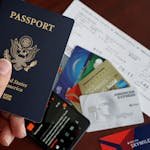

Steve buys travel insurance for every international trip. That is not a recommendation made at arm’s length; it is a habit built over thirty years of travel, and like most durable habits, it came from getting it wrong first. Going without it has been costly and stressful enough times to settle the question permanently.
What took longest to learn was not whether to buy it. It was when.
When Travel Insurance Is Non-Negotiable
The strongest argument for travel insurance is medical. Many domestic health plans provide limited coverage or none at all once you leave the country, and a hospital abroad will generally expect payment from you directly rather than billing an insurer back home. A routine injury handled in an unfamiliar healthcare system, in a language you may not speak, is the scenario that turns an inconvenience into a genuine financial problem.
Emergency medical evacuation sits in its own category and is worth understanding separately. Getting treated somewhere is one thing; being moved from a remote area to a facility that can actually handle your situation, or home again, is a different and far more expensive proposition. It is also the coverage travelers are least likely to think about until they need it.
Wondering about the overall trip budget? How to Set a Travel Budget That Works →
Beyond medical, the case rests on what you have already paid for and cannot get back. Non-refundable flights, deposits, and prepaid bookings are exposed if a trip has to be cancelled or cut short. Lost luggage is a smaller but more common example: airlines do compensate for delayed bags, but the wait can stretch for days, and a policy that advances money for essentials in the meantime closes a gap the airline will not.
Not every trip needs the same level of protection. A short domestic trip with refundable bookings carries very different exposure than a month abroad with significant prepayments. The useful question is not “should I buy insurance” but “what am I actually exposed to on this specific trip.”
When to Buy It, and Why Waiting Can Make Sense
The standard advice is to buy travel insurance at the same time you book your flights and hotels. Steve no longer does that, and the reason is worth understanding before you decide which approach fits you.
Travel plans change. When they do, airlines and hotels are often more accommodating than travelers expect: a cancelled or changed flight frequently comes back as a refund or a voucher toward future travel, and many lodging bookings can be cancelled without penalty inside the window. Pre-paid travel insurance generally does not work that way. Once purchased, the premium is typically not refundable, so a trip that never happens can leave you having paid for coverage you never used and cannot recover.
Steve learned that more than once. On separate occasions he booked flights and bought insurance at the same time, and then had plans change. The airline made him whole with a refund or a voucher toward a future flight. The insurance premium was simply gone. He now waits until a few days before departure, once the trip is certain, and buys then.
The tradeoff is real, and it runs the other way. Some of the most valuable benefits are time-sensitive and tied to when you first put money down on the trip. Waivers for pre-existing medical conditions, and “cancel for any reason” upgrades, are commonly offered only if you buy within a limited window after your initial trip deposit. Wait past that window and those options may not be available to you at all, at any price.
So the honest answer is that the right timing depends on which risk you are actually insuring against. If your exposure is a large non-refundable prepayment, or you have a medical condition that a waiver would need to cover, buying early protects something that buying late cannot. If your bookings are largely refundable and your real exposure is what happens during the trip — medical care abroad, evacuation, delays, lost bags — then waiting until the trip is certain avoids paying for coverage on trips that never happen. Check the specific policy’s purchase windows before you decide, because they vary by insurer and they cannot be negotiated after the fact.
What Actually Differentiates Policies
There are many travel insurance companies and most of them are reputable. Two policies can look nearly identical on a summary page and behave very differently when you need them, and the meaningful differences are almost always in the details rather than the brand. These are the things worth comparing directly.
Medical and evacuation are separate limits. A policy can carry solid medical coverage and thin evacuation coverage, or the reverse. Look at both numbers, not the headline figure.
Exclusions matter more than limits. A generous benefit that excludes the thing most likely to happen to you is worth less than a smaller benefit that covers it. Pre-existing conditions, adventure activities, motorbike or scooter use, and alcohol-related incidents are the exclusions that catch travelers most often.
Delay thresholds vary and are easy to overlook. Coverage may begin only after a delay passes a set number of hours, and that threshold differs between policies. The same delay can be fully covered under one policy and not covered at all under another.
Cancellation and interruption are different things. One applies before you leave, the other once the trip is underway. Confirm the policy covers both, and check which specific reasons qualify — the list is usually narrower than travelers assume.
“Cancel for any reason” is an upgrade, not a default. Where it is offered it reimburses only a portion of your non-refundable costs rather than all of them, and it typically must be added within a limited window after booking.
The claim process and its deadlines. Many policies require you to report an incident within a specific window, sometimes while you are still travelling. A policy that pays well but demands notification you did not know about is a policy that may not pay you.
Emergency assistance. A 24/7 assistance line matters most where you are least equipped to help yourself: arranging care, handling a language barrier, or locating an appropriate facility. Check that it is genuinely staffed around the clock and reachable from where you are going.
How to Choose the Right Plan for Your Trip
Start from the trip rather than the policy. Write down what you have already paid for and cannot get back, where you are going, what you plan to actually do there, and what medical care realistically looks like in that place. Those four answers determine which coverage matters and which is padding.
A trip built around hiking, diving, or anything else an insurer might classify as an adventure activity needs its exclusions read carefully before purchase, not after an accident. A trip to a region with limited medical infrastructure shifts the priority toward evacuation. A trip with heavy non-refundable prepayment shifts it toward cancellation and interruption. A trip that is mostly refundable and close to home may need very little.
Comparison marketplaces let you put several policies side by side against the same trip details, which is far more useful than reading one policy in isolation. Compare coverage options against your actual dates and destination, then read the full policy document for the one you are considering rather than the summary page. The summary tells you what is covered; the policy document tells you when it is not.
What a Real Claim Looks Like
Insurance stays abstract until you actually use it. Here is one time it mattered.
Steve’s flights were cancelled late at night, and by the time the cancellation worked its way through the queue, the airline had no hotel vouchers left. So he booked a local hotel himself, paid for it, and kept the receipt along with the documentation showing the flight had been cancelled. He did the same for the taxis to and from the airport.
When he got home, he filed a claim with the travel insurer and submitted the receipts and the flight documentation together. Several days later the reimbursement arrived, covering the hotel and both taxi fares.
Nothing about that story is dramatic, and that is precisely the point. There was no medical emergency and no evacuation — just a bad night that would otherwise have come straight out of pocket. What made it work was ordinary and repeatable: he paid, he kept the paperwork at the moment it was generated, and he filed with everything the insurer needed the first time.
How to File a Claim (and What Trips People Up)
Buying the right policy is only half the job — filing a claim well matters just as much. Start documenting as soon as something goes wrong: keep receipts for medical bills and cancellation notices, and photograph any damaged or lost items. Contact your insurer as early as possible, since many policies require you to report an incident within a specific window rather than waiting until you’re home. Fill out claim forms carefully and completely — missing details are one of the most common reasons a claim gets delayed rather than denied. If a claim is denied, review the policy’s specific exclusions before assuming the worst; many denials are appealable, and a polite, persistent follow-up resolves more of them than travelers expect.
A few assumptions cause more denied or reduced claims than anything buried in the fine print. Don’t assume your credit card’s built-in travel coverage matches what a real travel insurance policy offers — card coverage is often limited to trip cancellation and excludes medical expenses entirely. Don’t assume a pre-existing condition is automatically excluded either way — some insurers offer a waiver if you buy the policy within a short window after booking, so it’s worth checking rather than assuming. And tailor your coverage to where you’re actually going: a destination with high healthcare costs needs more medical coverage than one with accessible, affordable care. Check your specific policy’s documentation and filing deadlines before you travel, not after something happens — they vary by insurer, and missing one is one of the few genuinely avoidable ways to lose a valid claim.
Travel Insurance as Part of Your Risk Management Strategy
Travel insurance works best when you think of it as one part of managing risk across a trip rather than a single product you buy and forget. It sits alongside the other things that make a trip resilient: refundable bookings where they are available, documents backed up somewhere you can reach them, a realistic buffer in your budget, and a plan for what you would actually do if something went wrong.
Seen that way, the policy is covering the exposure your other preparations cannot. Severe weather, a health problem that appears mid-trip, or conditions on the ground that force an early return are not things careful planning prevents. They are the things insurance exists for.
For travelers who take several trips a year, annual multi-trip policies are worth investigating as an alternative to buying a separate policy each time. Whether that structure makes sense depends on how often you travel and how long the individual trips are, so compare it against your own pattern rather than assuming either option is better.
Understanding your policy’s specific nuances, not just its headline coverage, is what makes the difference when the unexpected actually happens.
FAQ: Travel Insurance Questions
Do I need travel insurance for a domestic trip?
Often yes, even though medical coverage matters less when you’re not leaving the country. Trip cancellation and baggage coverage can still be worth it if your trip involves significant non-refundable costs.
When should I actually buy it?
It depends on what you are insuring against. Buying when you book protects large non-refundable prepayments and keeps time-sensitive options open, including pre-existing condition waivers and “cancel for any reason” upgrades, which are usually only available within a limited window after your first deposit. Buying closer to departure avoids paying for a policy on a trip that may not happen, since premiums generally are not refundable. If your bookings are mostly refundable and no waiver applies to you, waiting until the trip is certain is a defensible choice.
Can I buy insurance after my trip has already started?
Most policies require you to buy before departure, and coverage for a pre-existing condition is rarely available if you wait. Confirm the purchase deadline in the policy itself before assuming you still have time.
What’s the difference between a single-trip and an annual policy?
A single-trip policy covers one specific journey. An annual policy covers multiple trips within a year and can suit frequent travelers better — compare both against how often you actually travel before deciding which fits you.
Sources and Further Reading
This article is written from the official sources below. Coverage rules and government guidance change, so confirm the current position at the source before you buy a policy.
- Travel insurance, travel health insurance and medical evacuation insurance wwwnc.cdc.gov
- Travel outside the U.S. — what Medicare does and does not cover medicare.gov
- Travel insurance — regulator guidance on what policies cover content.naic.org
This article is for informational and educational purposes only. Always verify current travel information, visa requirements, entry rules, and health guidance with official government sources and qualified professionals before making travel decisions.
Your next step
Travel Documents: Passports, Visas & Permits →