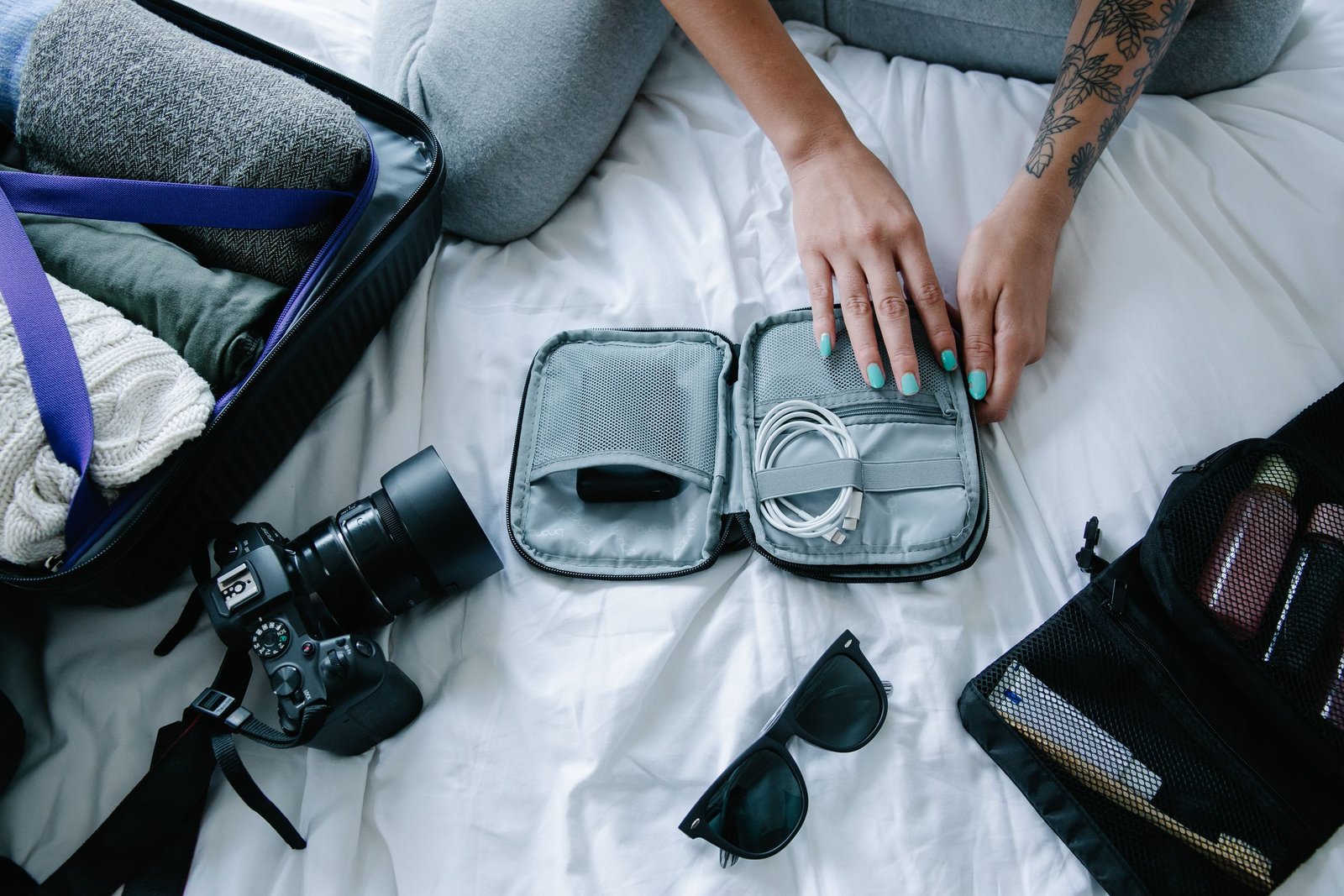
As the world becomes increasingly interconnected and mobile technology continues to evolve, the role of gadgets in travel planning and execution is more crucial than ever. Advanced travelers are not only looking for the latest devices to enhance their experiences but also need a tech stack that ensures convenience, efficiency, and safety. Whether you’re a seasoned globetrotter or a tech-savvy novice, this article will guide you through the top five priority items to pack on your next adventure.
1. A Reliable Mobile Device
The cornerstone of your tech stack should be a reliable mobile device, ideally a smartphone or a tablet. Today’s smartphones offer a plethora of features that cater to every aspect of travel, from navigation and booking services to social media sharing and offline maps. Opt for a device with a long battery life, robust operating system, and a high-resolution camera to ensure you capture every moment of your journey.
Consider also the durability of your choice. Travelers often find themselves in unpredictable environments, and a phone or tablet that can withstand drops and minor water exposure can save you significant hassle and potential expense.
2. Portable Power Banks
Keeping your devices charged is critical, especially when you’re in areas with limited or no access to power outlets. A high-capacity portable power bank is an indispensable accessory. Look for models with multiple USB ports to charge multiple devices simultaneously, and a power rating of at least 10,000 mAh for extended use. Modern power banks are also becoming smaller and lighter, making them ideal companions for day trips and extended excursions.
Don’t forget to purchase a power bank that is suitable for your country of travel. Voltage and plug type variations can affect the effectiveness and safety of your charging solutions. Be aware too that regulations related to traveling with portable power banks on airplanes has changed in recent years. Very with your airline or local airport to determine what if your portable power bank will be allowed to travel with you in your carry on luggage based on its capacity and type of battery. You may need to invest in a newer portable power bank that meets current aviation travel regulations.
3. High-Quality Travel Adapter and Charger Kit
Traveling internationally means navigating different voltage standards and socket designs. A versatile travel adapter and charger kit ensures that your devices are always powered up, regardless of your location. Choose a kit that includes multiple adapters for different countries and various types of outlets, such as Type A, C, G, and F, which cover a wide range of international destinations.
Investing in a charger that can handle both the voltage differences and the unique requirements of your devices will prevent any unforeseen issues while on the road.
4. Secure, Easy-to-Use Mobile Payments and Banking Apps
From street vendors to luxury hotels, mobile payments are becoming increasingly popular across the globe. Advanced travelers rely on secure, easy-to-use mobile payment apps to make transactions seamlessly. Popular options like PayPal, Venmo, and various country-specific apps enable you to pay for goods and services without the need for physical cash or cards. Additionally, banking apps that offer real-time currency conversion and mobile check deposits provide a level of convenience that is unmatched by traditional banking methods.
Before you travel, it’s wise to check the compatibility of your preferred payment method with your destination and to ensure you understand any fees associated with using these services abroad.
5. Compact Portable WiFi Hotspot
In areas with unreliable or non-existent internet connectivity, a portable WiFi hotspot is invaluable. It allows you to maintain constant access to navigation apps, social media, and essential online services like Google Maps and WhatsApp. Look for a hotspot with a long battery life, a compact design, and strong signal strength for optimal performance. Some hotspots even come with built-in SIM cards, allowing you to bypass the need for local SIM cards and making it easier to stay connected without breaking the bank.
Research the availability of portable WiFi hotspots in your destination country and consider the cost of data usage. In some countries, renting a local SIM card might be a more cost-effective solution.
Practical Planning Tips
Before you embark on your journey, consider the following practical steps to ensure your tech stack is well-prepared:
- Backup Your Data: Regularly back up all important data from your devices to the cloud or an external hard drive. This precautionary measure ensures that you won’t lose any precious memories or important documents.
- Research Local Regulations: Check the local laws and regulations regarding the use of mobile devices and WiFi hotspots in your destination. Some countries may have restrictions or require registration for certain devices.
- Prepare for the Unexpected: Have a backup plan for every tech item you carry. This includes carrying extra batteries, having multiple charging cables, and knowing the locations of tech support in your destination.
By equipping yourself with the right technology, you can ensure that your travels are as smooth and enjoyable as possible. Whether you’re a first-time traveler or a seasoned adventurer, having the right tech stack can elevate your experience to new heights. Happy travels!
All of it still has to fit. If you are working to a single bag, our carry-on packing list for a two-week trip covers how tech competes for space with everything else.
This article is for informational and educational purposes only. Always verify current travel requirements with official government sources before making travel decisions.