
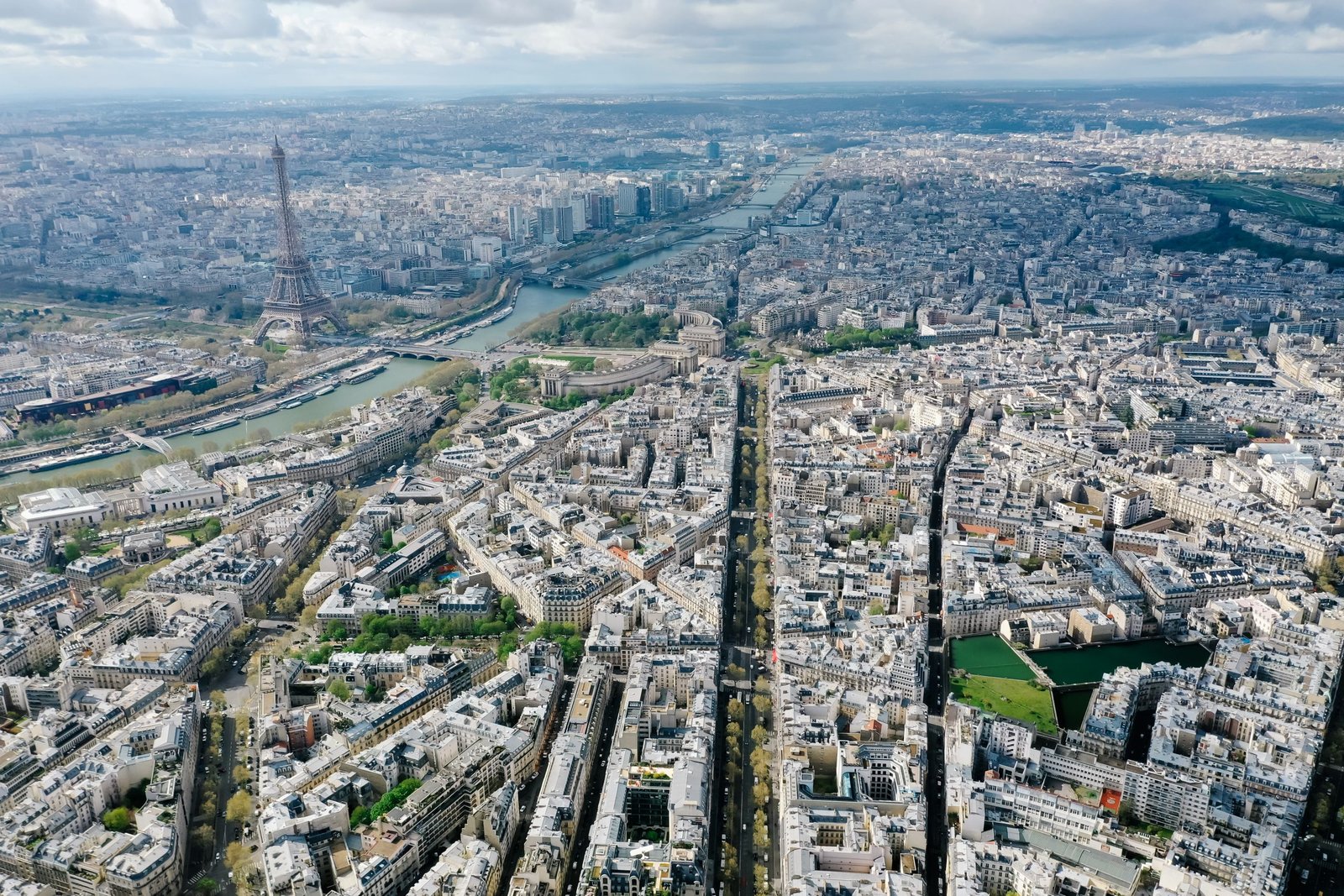
Paris consistently draws travelers with its iconic landmarks and romantic ambiance, yet first-time visitors often fall into the trap of attempting to experience everything the city offers. This ambitious approach frequently leads to a rushed, superficial experience, leaving travelers feeling exhausted and disconnected from the true essence of Paris. A more rewarding strategy involves prioritizing quality over quantity, carefully selecting experiences that align with personal interests, and accepting that a single trip cannot encompass all the city holds. Effective planning, therefore, isn’t about maximizing the number of sights seen, but about crafting a focused itinerary that allows for genuine immersion and enjoyment. This article will guide you through the essential considerations for a first visit, emphasizing a mindful approach to destination decisions and reservation management that prioritizes depth over breadth.
Deconstructing the “Must-See” List: Prioritizing Parisian Experiences
The sheer volume of attractions in Paris can be overwhelming. Guidebooks and online resources present extensive lists, creating the impression that a successful visit requires ticking off every major landmark. However, attempting to conquer this list is counterproductive. Instead, consider what genuinely interests you. Are you an art enthusiast? A history buff? A culinary explorer? Focus your itinerary around these passions. For example, instead of spending a fleeting hour at the Louvre attempting to see the Mona Lisa amidst throngs of tourists, dedicate a longer, more focused visit to a smaller museum like the Musée Rodin or the Musée d’Orsay, which offer a more intimate and less crowded experience. The Musée Rodin, with its sculpture garden, requires approximately two hours for a thorough visit, costing around €12 per person. The Musée d’Orsay, housed in a former railway station, is similarly sized and priced. Similarly, rather than rushing through Versailles in a single day, consider dedicating a half-day to exploring the gardens and Marie Antoinette’s estate, the Petit Trianon, allowing for a more leisurely appreciation of the palace grounds. A half-day visit to Versailles, including transportation from central Paris (approx. €7-10 each way via RER C train) and entry to the estate (€20-27), requires at least four hours. Prioritization also extends to neighborhoods. While the Eiffel Tower and Notre Dame are undoubtedly iconic, allocating time to wander through less-touristed areas like the Canal Saint-Martin or Belleville can reveal a more authentic side of Parisian life. Reviews frequently highlight the value of escaping the main tourist trails to discover hidden cafes, local markets, and charming boutiques. This targeted approach, focusing on personal interests and neighborhood exploration, will yield a far more satisfying experience than a frantic attempt to “see it all.” A practical consideration is to allocate at least two full days to the central sights (Eiffel Tower, Louvre, Notre Dame area) and then dedicate the remaining days to exploring specific interests or arrondissements.
Navigating the Arrondissements: Strategic Accommodation Choices
Paris is divided into 20 arrondissements, each with its own distinct character. Choosing the right arrondissement as a base is crucial for a successful trip. The 1st arrondissement, home to the Louvre and Tuileries Garden, is centrally located but often crowded and expensive. Expect hotel rates to start around €200 per night. The Marais (3rd and 4th arrondissements) offers a more bohemian atmosphere with historic architecture, trendy boutiques, and a vibrant Jewish Quarter. Accommodation here averages around €150-€250 per night. Saint-Germain-des-Prés (6th arrondissement) is known for its upscale cafes, art galleries, and literary history, attracting a sophisticated clientele. This is generally the most expensive area, with hotels often exceeding €300 per night. For a more local experience, consider the 10th and 11th arrondissements, which boast a lively nightlife, diverse restaurants, and a more affordable price point. Here, you can find comfortable accommodation for around €100-€180 per night. When selecting accommodation, consider proximity to metro stations, as Paris has an extensive and efficient public transportation system. While walkability is a major advantage, utilizing the metro can save significant time and energy, particularly when traveling between distant attractions. Several sources recommend the 2nd arrondissement as a good compromise, offering a central location, a variety of accommodation options, and a less overwhelming atmosphere than the 1st. Remember that the arrondissement number does not necessarily indicate distance from the center; the arrondissements spiral outwards from the 1st. Careful consideration of these factors will ensure that your accommodation enhances, rather than detracts from, your overall Parisian experience. A potential failure mode is choosing accommodation too far from a metro line, resulting in long commutes and wasted time.
Beyond the Landmarks: Immersive Activities and Local Experiences
Paris offers a wealth of experiences beyond the well-trodden tourist paths. Consider taking a cooking class to learn the art of French cuisine, or a pastry-making workshop to master the techniques of macarons and croissants. A Seine River cruise provides a relaxing perspective on the city’s landmarks, but a walking tour focusing on a specific theme – such as Parisian literature, street art, or historical events – can offer a more in-depth understanding of the city’s culture. Exploring the covered passages, les passages couverts, offers a glimpse into a bygone era of Parisian elegance, with their ornate architecture and unique shops. Attending a performance at the Opéra Garnier or a jazz concert in Saint-Germain-des-Prés can provide an unforgettable cultural experience. Don’t overlook the simple pleasures, such as enjoying a picnic in the Luxembourg Gardens, browsing the booksellers along the Seine, or simply sitting at a cafe and observing Parisian life. Visitors frequently cite these immersive activities as the highlights of their trips, fostering a deeper connection with the city and its people. The key is to move beyond passive sightseeing and actively engage with Parisian culture, creating memories that will last long after you’ve returned home. A French cooking class typically costs between €80-€150 per person and lasts around three to four hours. A themed walking tour, lasting approximately two to three hours, can range from €30-€60 per person. When booking these activities, consider the cancellation policies and ensure they align with your travel plans. A common mistake is overbooking, leaving insufficient time for spontaneous exploration.
Mastering Parisian Transportation: Metro, Bus, and Beyond
Navigating Paris is relatively straightforward, thanks to its comprehensive public transportation system. The metro is the fastest and most efficient way to get around, with lines crisscrossing the city and operating frequently. Purchasing a Navigo Easy pass and loading it with individual tickets or a day pass is a cost-effective option for frequent travelers. A single metro/RER ticket costs €2.55, while an all-zones Navigo Jour day pass is €12.30. Paper “Ticket t+” carnets were withdrawn in November 2025, so fares now load onto a Navigo Easy card or a compatible smartphone. Buses offer a more scenic route, allowing you to see the city as you travel, but can be slower due to traffic. Walking is also highly encouraged, particularly within the central arrondissements, as it allows you to discover hidden gems and soak up the atmosphere. Taxis and ride-sharing services are readily available, but can be expensive, especially during peak hours. When arriving at Charles de Gaulle or Orly airport, several transportation options are available, including the RER B train, Roissybus, and Orlybus. Beauvais airport, located further from the city center, requires a shuttle bus connection. Familiarizing yourself with the transportation options and planning your routes in advance will save you time and stress. Several sources emphasize the importance of downloading a metro map app and utilizing online journey planners to optimize your travel within the city. Be aware that the metro can be very crowded during rush hour (7:30-9:30 AM and 5:00-7:00 PM). A potential issue is navigating the metro during strikes, which occasionally disrupt service. Having a backup plan, such as utilizing buses or taxis, is advisable.
Pre-Booking and Prioritization: Securing Access to Key Attractions
To avoid long queues and ensure access to popular attractions, pre-booking tickets is essential. The Eiffel Tower, Louvre Museum, Palace of Versailles, and Sainte-Chapelle are particularly prone to overcrowding, and tickets often sell out in advance. Online reservation systems allow you to select a specific time slot, minimizing wait times. Consider purchasing a Paris Pass or Museum Pass if you plan to visit multiple museums, as these can offer significant savings. However, carefully evaluate whether the pass aligns with your itinerary, as it may not be cost-effective if you only plan to visit a few attractions. Furthermore, prioritize the attractions that are most important to you and book tickets for those first. If you are unable to secure tickets for a specific attraction, consider alternative options or visiting during off-peak hours. Early mornings and late afternoons are generally less crowded. Remember that many museums are closed on Mondays or Tuesdays, so factor this into your planning. Effective pre-booking and prioritization will allow you to maximize your time and minimize frustration, ensuring a smoother and more enjoyable experience. The Louvre, for example, offers timed entry tickets that must be booked online in advance. Failing to do so can result in waiting in line for several hours, or being denied entry altogether. The Paris Museum Pass, costing around €60 for a 4-day pass, grants access to over 50 museums and monuments, but its value depends on the number of museums you intend to visit. A common mistake is assuming that a pre-booked ticket guarantees immediate entry; security checks can still cause delays.
Planning Your Parisian Adventure: Best Time to Visit and Essential Preparations
The shoulder seasons – April-May and September-November – offer the most pleasant weather and fewer crowds, making them ideal times to visit Paris. Summer can be hot and crowded, with average temperatures reaching 25-30°C, while winter can be cold and rainy, with temperatures often dropping below 5°C. When packing, be sure to include comfortable walking shoes, layers of clothing, and a waterproof jacket. A universal adapter is essential for charging electronic devices. Learning a few basic French phrases, such as “Bonjour,” “Merci,” and “Au revoir,” will be appreciated by locals. Be aware of your surroundings and take precautions against pickpockets, particularly in crowded areas. Paris is a relatively safe city, but petty theft is common. To truly embrace a slower, more intentional approach to experiencing Paris, begin your planning now by identifying three to five core interests – perhaps Impressionist art, historical architecture, or French cuisine. Then, build your itinerary around these passions, allowing for spontaneous exploration and moments of serendipity. Resist the urge to cram too much into your schedule, and instead, focus on creating a meaningful and memorable experience that reflects your personal preferences. This thoughtful approach will transform your first visit to Paris from a whirlwind tour into a cherished memory. Consider purchasing travel insurance to cover unexpected events, such as flight cancellations or medical emergencies. It’s also wise to make copies of important documents, such as your passport and travel itinerary, and store them separately from the originals.
Keep planning: more guides in Step 3: Book Reservations, Prepare to Travel.
Sources and Further Reading
This article was researched and written from the published sources below. Prices, schedules, and entry rules change often, so check the current position at the source before booking.
- 2-Day Paris Itinerary: Our Perfect Short-Stay Highlights Route (After 5+ Trips) wherearethosemorgans.com
- Best Things to Do in Paris in 3 Days yourguidesabroad.com
- France travel guide (Wikivoyage) en.wikivoyage.org
- Complete Guide To Visiting Paris For The First Time wherearethosemorgans.com
- Our Standout Paris Experiences (After 5 Very Different Trips) wherearethosemorgans.com
- First-Timer’s Guide To Visiting The Eiffel Tower (Mistakes To Avoid + Tips To Follow) wherearethosemorgans.com
- Planning A Trip to London and Paris: Details, Itinerary, + Videos yourguidesabroad.com
- Where to Stay in Paris For Your First Time: a Simple Guide yourguidesabroad.com
- thetraveler.org
This article is for informational and educational purposes only. Always verify current travel requirements with official government sources before making travel decisions.