Switzerland, often regarded as a quintessential European destination, captivates millions with its unparalleled blend of natural beauty, rich culture, and innovative spirit. Yet, it’s the depth of experiences beyond the clichéd views of the Alps that truly set Switzerland apart. From its historic cities to its vibrant culinary scene, Switzerland offers a tapestry of reasons to make it a top choice for your next adventure.
The Alps: Beyond the Cliché
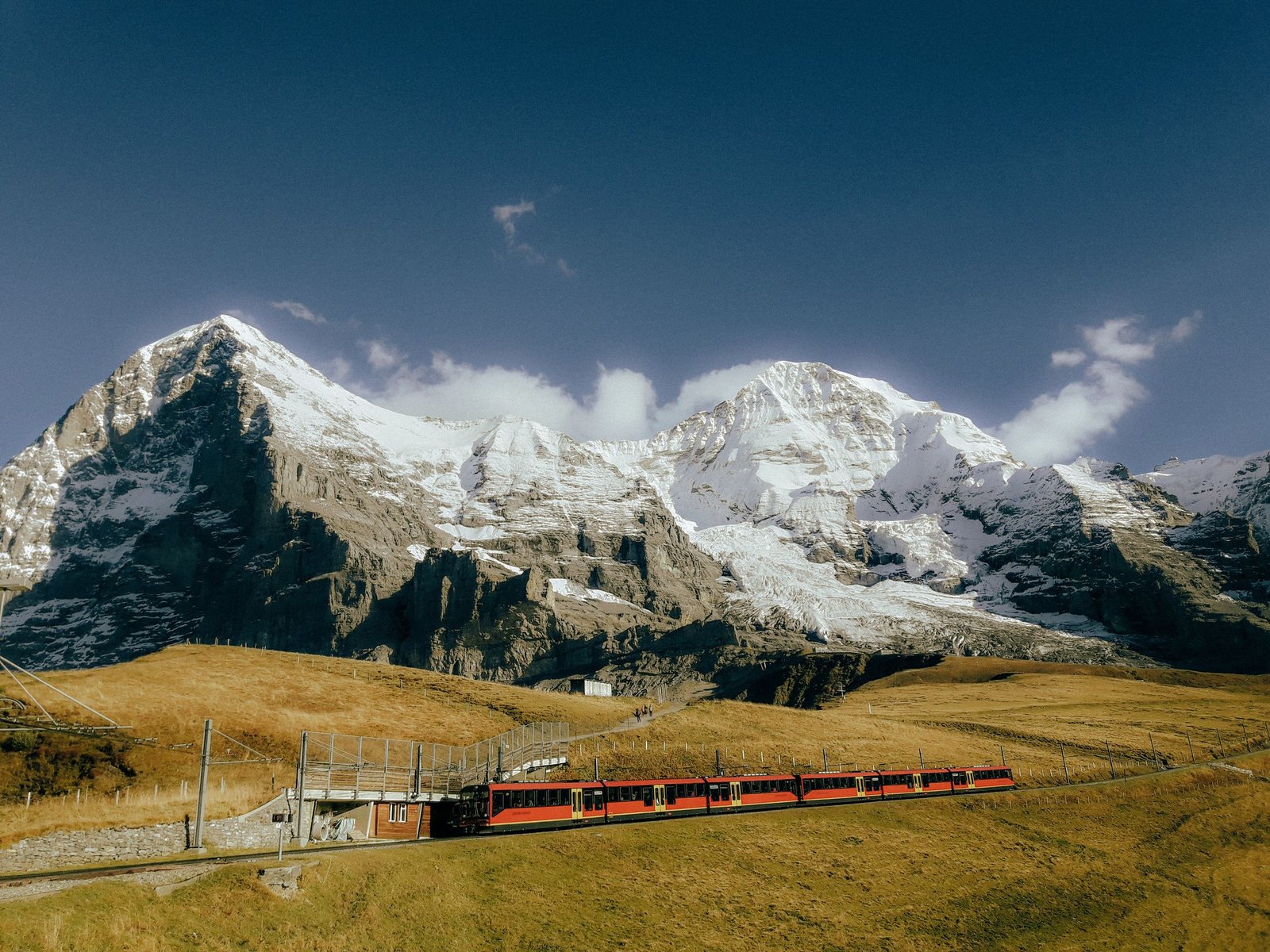
The Swiss Alps, often the first image that comes to mind when thinking of Switzerland, are indeed breathtaking. However, it’s the diversity of experiences within this range that makes them truly special. Ski resorts like Zermatt and St. Moritz are renowned for their pristine slopes, but the Alps also offer hiking trails that wind through alpine meadows and past picturesque chalets, providing a quieter, more intimate connection with nature. Travelers consistently describe the Swiss Alps as a place where the stunning landscapes are matched only by the tranquility of the experience.
Hotels.com is one of the fastest ways to compare availability across a destination – and if you book 10 nights through their platform over time, the 11th night is free. Here’s a look at availability for Switzerland for your dates. Hotels.com

While the winter season is renowned for its skiing and snowboarding, the summer months transform the Alps into a paradise for hikers and mountain bikers. With numerous mountain railways and cable cars, visitors can easily access remote peaks and valleys, ensuring that everyone, regardless of physical ability, can explore the beauty of the Swiss Alps.
The Swiss Alps are not just a destination for outdoor enthusiasts; they are a living history. Forts and bunkers from the Second World War are scattered throughout the mountains, offering a glimpse into Switzerland’s past and its unique role as a neutral country during global conflicts.
As the seasons change, the Alps continue to offer new experiences. Autumn brings a riot of colors to the forests, and the crisp air makes for ideal hiking conditions. Winter transforms the slopes into a snowy wonderland, while spring sees the rapid melt of snow, revealing lush greenery and vibrant wildflowers. Each season presents a unique facet of the Swiss Alps, making it a destination worth visiting multiple times.
Culinary Delights: More Than Chocolate and Cheese
Swiss cuisine is often associated with chocolate and cheese, but the country’s culinary scene is far richer and more diverse than those staples suggest. While chocolate shops like Lindt and Toblerone are indeed a must-visit for sweets lovers, the culinary landscape is home to a myriad of local delicacies that reflect Switzerland’s cultural diversity. Traditional dishes such as Rösti (a potato dish), Zürcher Geschnetzeltes (a meat and noodle dish), and Capuns (stuffed chard rolls) offer a taste of the country’s culinary heritage.
Switzerland is also a haven for coffee lovers, with its vibrant café culture and specialty coffee shops. Zurich and Geneva are particularly noted for their coffee scenes, where baristas craft intricate espresso drinks and locals gather to discuss the day’s events. The blend of traditional Swiss coffee traditions with a modern, innovative approach creates a unique culinary experience that extends far beyond the typical tourist expectations.
In addition to its rich culinary offerings, Switzerland’s wine regions are gaining international recognition. The Valais region, with its vineyards stretching along the Rhône Valley, produces some of the country’s finest white wines. Wine tours and tastings provide a deeper understanding of the local terroir and the passion that goes into crafting these unique vintages.
Historic Charm and Modern Innovation
Switzerland’s cities are a testament to its ability to blend historic charm with modern innovation. Bern, the capital city, is a UNESCO World Heritage site with its medieval Old Town, yet it also boasts a vibrant cultural scene. The Bundeshaus, home to the Swiss Parliament, is a significant architectural landmark that reflects the democratic values of the nation. Visitors to Bern can explore the charming streets, visit the Einstein House, and enjoy the city’s renowned street art scene.
Zürich, on the other hand, is a hub of contemporary art and design, with its many museums and galleries showcasing both Swiss and international artists. The Kunsthaus Zürich is one of the most prestigious art museums in Europe, featuring an extensive collection of modern and contemporary art. The city’s annual Street Parade, a massive electronic music festival, attracts visitors from around the world, blending street culture with cutting-edge technology.
While Geneva is known for its diplomatic significance, it also offers a unique blend of cultural and historical attractions. The Jet d’Eau, a spectacular water fountain in the middle of the lake, is a symbol of the city’s pride and innovation. The International Red Cross and Red Crescent Museum provides a poignant look at humanitarian efforts, while the Palais des Nations offers a glimpse into the workings of international diplomacy.
Sustainability and Conservation Efforts
Switzerland is at the forefront of sustainability and conservation efforts, making it a leader in environmental stewardship. The Swiss government has implemented stringent regulations to protect its natural landscapes and wildlife. National parks such as the Swiss National Park and the Swiss Alps Jungfrau-Aletsch offer a sanctuary for rare species and unspoiled nature.
The country’s commitment to renewable energy is also noteworthy, with a significant portion of its electricity generated from hydropower and wind energy. Initiatives like the 2000-Watt Society, aimed at reducing individual energy consumption, reflect a broader societal shift towards sustainability. Visitors to Switzerland can witness firsthand the innovative solutions and green technologies that are shaping the future.
Swiss cities are increasingly embracing sustainable practices, from recycling programs to electric vehicle infrastructure. Zürich’s Letzigrund stadium, for instance, has been transformed into a model of eco-friendly architecture, featuring solar panels and rainwater harvesting systems. This dedication to sustainability ensures that future generations can continue to enjoy the natural beauty of Switzerland.
Adventure and Thrills: More Than Just Skiing
Switzerland offers a plethora of activities for adrenaline junkies and thrill-seekers, far beyond its reputation for winter sports. The Swiss Riviera, along the shores of Lake Geneva, provides a setting for sailing, windsurfing, and parasailing. The lake’s calm waters and stunning backdrop make it a popular spot for water sports enthusiasts.
For those seeking more extreme thrills, Switzerland’s mountains offer unparalleled opportunities. Bungee jumping from the famous Verzasca Dam, rock climbing in the Swiss Alps, and paragliding over the Swiss lakes are just a few of the many adventurous options available. These activities not only provide excitement but also a sense of accomplishment and connection with the natural environment.
The Swiss are also known for their pioneering spirit in adventure sports. The birthplace of paragliding and one of the first places to introduce bungee jumping, Switzerland continues to innovate and push the boundaries of what is possible in the realm of adventure sports.
Cultural Diversity and Inclusion
Switzerland’s cultural diversity is a significant draw for many visitors. As a nation with four official languages—German, French, Italian, and Romansh—Switzerland reflects a rich tapestry of cultural influences. Cities like Basel and Geneva are home to a vibrant expatriate community, adding to the cultural vibrancy and cosmopolitan atmosphere.
The country’s commitment to cultural preservation and celebration is evident in its numerous festivals and cultural events. The Fête des Vignerons, a winegrowers’ festival that takes place once every 20 years, showcases the rich heritage and traditions of Swiss winemaking. Similarly, the Swiss National Games, a multi-sport event that celebrates local sports and traditions, highlights the diversity and unity of the Swiss people.
Switzerland’s museums and cultural institutions, such as the Swiss Museum of Transport and the Swiss National Museum, offer insights into the country’s unique history and cultural evolution. These institutions not only educate visitors about Swiss culture but also promote understanding and appreciation of the diverse backgrounds that contribute to the country’s identity.
Switzerland is more than just the Swiss Alps; it’s a destination rich in culture, culinary delights, and adventure. Each visit reveals a new facet of this multifaceted country, making it a place that continues to captivate and inspire travelers from around the world. From its historic cities to its vibrant mountain landscapes, Switzerland offers an experience that is both deeply rooted in tradition and forward-looking in its innovation.
Frequently Asked Questions
Q: What are some must-visit places in Switzerland?
A: Switzerland is home to numerous attractions that cater to various interests. For nature enthusiasts, the Swiss Alps and the Swiss National Park are top picks. Art lovers should visit the Kunsthaus Zürich, while history buffs can explore the Old Town of Bern. Additionally, the cities of Geneva and Zürich offer a mix of cultural attractions, modern amenities, and vibrant café scenes.
Q: What is the best time of year to visit Switzerland?
A: The best time to visit Switzerland depends on your interests. Winter sports enthusiasts might prefer December to March for skiing and snowboarding. Summer, from June to August, is ideal for hiking and exploring the outdoors. Autumn, from September to November, offers stunning fall foliage and mild weather, while spring, from March to May, provides pleasant temperatures and blooming wildflowers.
Q: How can I experience Swiss culture?
A: To experience Swiss culture, consider visiting local festivals and cultural events, such as the Fête des Vignerons or the Swiss National Games. Exploring museums and historical sites like the Swiss National Museum or the Einstein House in Bern will provide deeper insights into Swiss heritage. Additionally, sampling local cuisine and engaging with the vibrant café culture in cities like Zürich and Geneva can offer a taste of everyday Swiss life.
This article is for informational and educational purposes only. Always verify current travel information, visa requirements, entry rules, and health guidance with official government sources and qualified professionals before making travel decisions.