Travelers often find themselves at a crossroads when it comes to packing: how much luggage to take is a perennial dilemma that can make or break a trip. The sheer volume of luggage can either enrich the experience or weigh it down with unnecessary hassle. According to Merriam-Webster, “much” implies a quantity that’s substantial, yet not necessarily excessive. But how does this translate to the practicalities of travel?
Understanding the Impact of Packing Habits
For many globetrotters, the idea of bringing too much luggage is as daunting as bringing too little. A survey from Reddit highlights the common practice of packing two checked bags plus a backpack carry-on. This approach allows travelers to balance their need for versatility with the practical constraints of travel regulations. However, the reality is that the right amount of luggage varies widely depending on the duration of the trip, the destination, and personal preferences.
Comparing flight prices across 100+ carriers before you book usually takes 30 seconds with Aviasales – the search pulls real-time fares and shows you the cheapest dates at a glance. Aviasales

Cambridge Dictionary defines “much” as a far larger amount of something than you want or need, emphasizing the importance of strategic packing. Packing too much can lead to increased baggage fees, difficulty navigating airports and hotels, and a sense of burden that detracts from the enjoyment of travel.
Travelers frequently cite the need for a streamlined approach, aiming to carry only the essentials. This minimalist philosophy not only reduces travel stress but also enhances mobility and flexibility, allowing for a more spontaneous and authentic travel experience.
The key to successful packing lies in striking a balance. It’s about taking enough to feel comfortable yet not so much that the journey becomes a logistical nightmare. Understanding the nuances of what “much” means in the context of travel can significantly enhance your experience.
International Carry-On and Checked Baggage Standards
The size and weight restrictions for carry-on and checked baggage vary significantly among airlines. According to Travelpro, many international airlines do not have exact size restrictions for personal items, although this varies widely depending on the airline. This variability can be confusing for travelers trying to navigate the complexities of air travel.
For carry-ons, the general guideline is to keep items to a maximum of 45 liters in volume and 10 kg in weight, as these limits are commonly accepted by most airlines. Checked bags, meanwhile, typically have weight limits ranging from 23 kg to 32 kg, again depending on the airline and the type of ticket purchased.
Travelers must be aware of these limitations to avoid additional fees and ensure a smooth travel experience. Carrying a lightweight backpack for a carry-on and a single checked bag can often be sufficient for trips of up to two weeks, but for longer stays, additional luggage may be necessary.
It’s also crucial to factor in the specific requirements of your destination. Some regions, like Southeast Asia, are particularly accommodating to travelers with a single backpack, whereas more luxurious destinations might require more formal attire, necessitating a larger luggage allowance.
The Role of Trip Duration and Itinerary Complexity
The length of your trip and the complexity of your itinerary play a significant role in determining how much luggage you should take. A week-long beach vacation might require far less than a month-long cultural immersion in a new country. According to popular travel advice, many travelers can manage a single checked bag for short trips, but longer stays or more extensive itineraries often demand more luggage.
The number of cities you plan to visit also influences your packing decisions. A hop-on-hop-off travel style in Europe, for example, might require less luggage compared to a more static stay in one location.
Moreover, the activities planned for your trip should guide your packing choices. A hiking expedition in the Swiss Alps, for instance, would necessitate different gear than a city break in Paris. It’s essential to research and plan ahead to ensure you pack the right items for your activities.
As you plan your trip, consider these factors to determine the appropriate amount of luggage. A well-thought-out packing list can be your best ally in ensuring that you take just enough, but not too much.
Strategies for Minimizing Luggage
Strategic packing can significantly reduce the amount of luggage you need to bring. Start by creating a detailed packing list tailored to your itinerary. Focus on versatile clothing items that can be mixed and matched to create multiple outfits from a small number of pieces. Travelers often find that a capsule wardrobe of neutral colors and lightweight fabrics is the most practical approach.
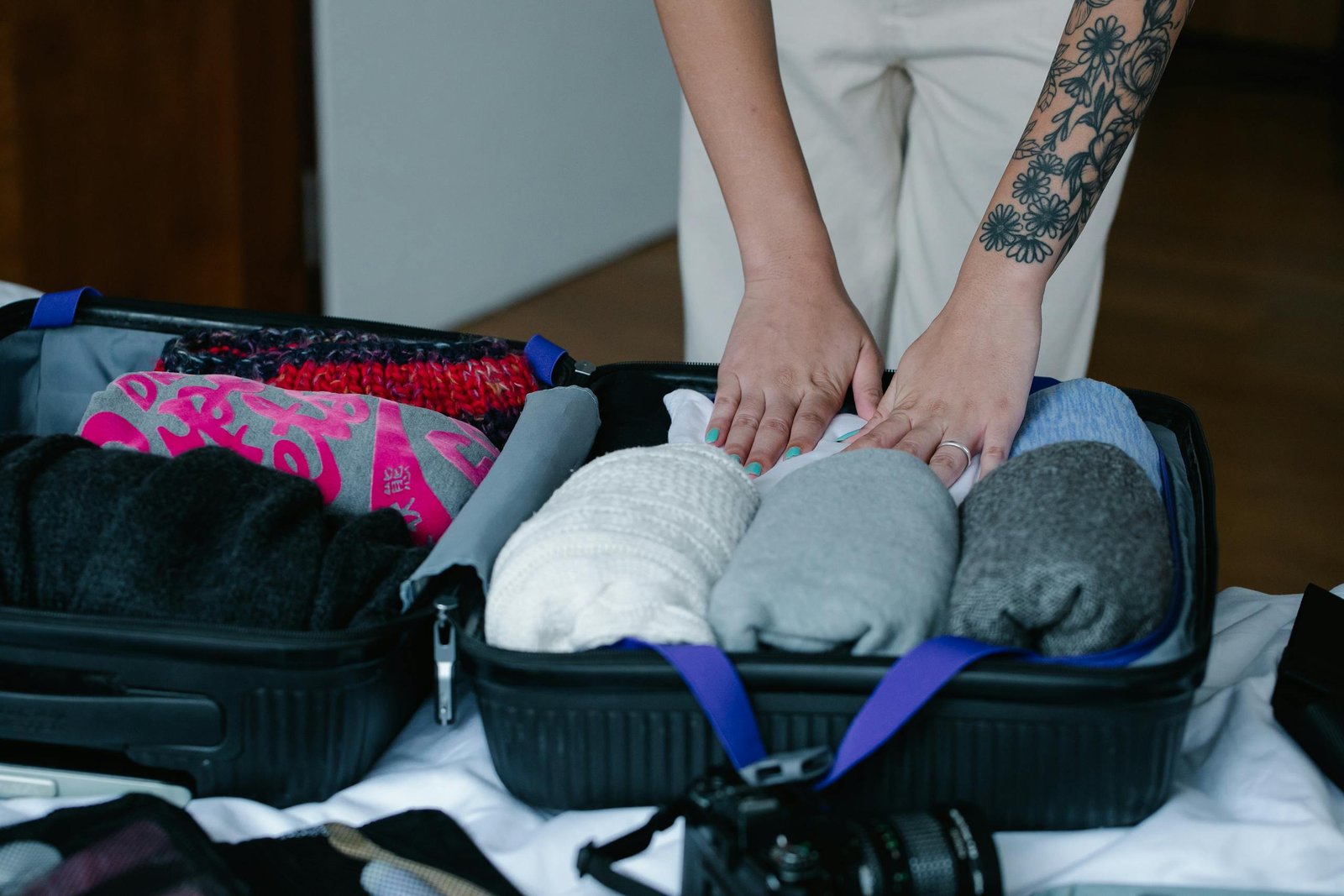
Investing in travel-friendly accessories such as packing cubes can also help maximize space in your luggage. These cubes allow you to organize your belongings efficiently, making it easier to find what you need and minimize bulk.
Consider shipping items directly to your destination or utilizing local services for items like toiletries and essential documents. This approach can help reduce the amount of luggage you carry, particularly if you are traveling for an extended period.
Lastly, embrace the minimalist spirit of travel. The goal is to travel light and experience more. By focusing on what you truly need, you can enjoy a more flexible and enjoyable journey.
The Psychological Impact of Packing Less
The mental load of travel is often underestimated. Bringing less luggage can significantly ease this burden, making travel feel less like a chore and more like an adventure. By taking a more minimalist approach, you reduce the stress associated with managing multiple pieces of luggage and navigating airports and hotels.
Moreover, carrying less luggage allows you to move more freely and spontaneously. You’re less tied down by the weight and volume of your belongings, which can enhance your ability to explore your destination and connect with local cultures.
The psychological benefits of minimalism in travel are profound. You’re more present in the moment, less distracted by the logistical challenges of managing too much luggage, and more open to the unexpected opportunities that travel presents.
In summary, the less you pack, the more you can experience. Embracing a minimalist mindset can transform your travel experience from a burden to a joyful adventure.
FAQ: Luggage Tips and Tricks
Q: How can I pack efficiently for a long-term trip?
For long-term trips, it’s essential to focus on essential items and invest in high-quality, multi-functional gear. Consider shipping large items like winter coats or hiking boots directly to your destination. This way, you can travel light and still have the necessary items for your stay.
Q: What are the best ways to save on luggage fees?
To save on luggage fees, opt for airlines that offer free checked bags or consider using a budget carrier with lower fees for additional luggage. Additionally, choosing to fly with a single, larger suitcase instead of multiple smaller bags can often be more cost-effective.
Q: How do I prepare for unexpected weather changes?
Preparation for unexpected weather changes involves packing versatile, adaptable clothing items. For example, lightweight, water-resistant jackets and pants can serve as layers for cooler days and as outerwear in rain. Always check the weather forecast for your destination and pack accordingly.
This article is for informational and educational purposes only. Always verify current travel information, visa requirements, entry rules, and health guidance with official government sources and qualified professionals before making travel decisions.