
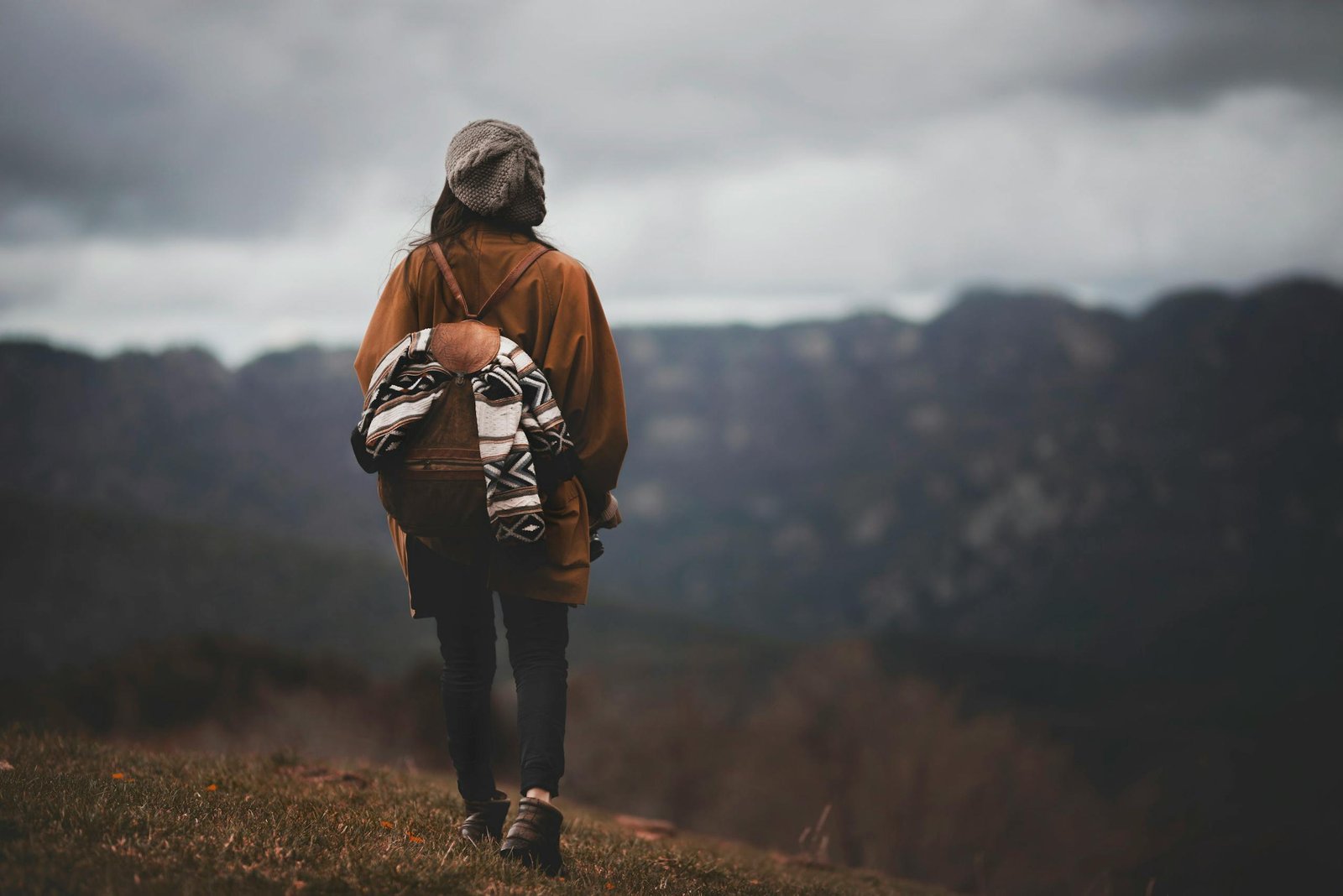
In 2024, over half of all travelers plan to hit the road alone. This isn’t a niche trend—it’s a seismic shift in how we explore the world. Solo travel has grown steadily as a share of leisure trips, and women in particular report choosing it for independence and self-discovery rather than for lack of company. But for every backpacker savoring Kyoto’s serene temples alone, there’s a traveler in a Trafalgar group tour, sipping wine in Tuscany with newfound friends. The question isn’t just which style wins; it’s about how each experience shapes who we are—and who we want to become—when the plane lands.
The Rise of Solo Travel: Freedom as a Travel Language
Solo travel isn’t just about avoiding group chat decisions. It’s a rebellion against the rigidity of pre-packaged itineraries. When you book a flight to Lisbon without a companion, you’re not just booking a ticket—you’re buying yourself a blank notebook. One morning, you might wander through Alfama’s cobblestone alleys with a café au lait in hand. The next, you could impulsively catch a ferry to the Azores, chasing waterfalls and whale tales. This is the magic of independence: your schedule is a fluid thing, as changeable as the weather in Southeast Asia.
Women, in particular, are rewriting the narrative. For many, solo travel is less about loneliness and more about reclaiming autonomy. Imagine standing in the Great Wall of China, not just as a tourist but as a testament to your own courage. You’re not there to prove anything to anyone—you’re there to prove something to yourself. The empowerment isn’t just in the places you see, but in the quiet realization that you can navigate unfamiliar cities, order meals in foreign languages, and still return home changed.
But this freedom comes with its own challenges. A solo traveler in Marrakech’s medina might relish the thrill of haggling, but they also need to stay vigilant in a labyrinth of alleys. It’s not that group tours are safer—it’s that they offer built-in accountability. When you’re alone, every decision is yours, from dodging scams to choosing the right riad. The trade-off is clear: total control means total responsibility.
Feeling anxious about going solo? Beat Travel Anxiety: Solo Travel Tips →
Still, for many, the rewards outweigh the risks. Solo travel isn’t for the faint of heart, but it’s a masterclass in self-reliance. You learn to trust your instincts, to adapt when trains are delayed or hotels are overbooked. And when you do stumble into a local festival or strike up a conversation with a street artist in Cusco, those moments feel uniquely yours—unmediated by anyone else’s agenda.
The Allure of Group Tours: Connection as a Travel Currency
If solo travel is a solo act, group tours are a communal dance. Picture yourself in a Trafalgar coach, swapping stories with fellow travelers over a glass of Slovenian wine. You’re not just sightseeing—you’re building a mosaic of shared experiences. Group tours offer a different kind of freedom: the freedom to relax. When a guide handles logistics, you can focus on soaking in the Amalfi Coast’s sunsets or debating Italian history with a retired professor from Milan.
There’s also the social alchemy of group travel. The friend you meet on a hiking tour in Patagonia might become a pen pal, a future travel buddy, or even a lifelong confidant. These connections are forged in the crucible of shared challenges—like navigating a language barrier together or surviving a delayed train in India. You’re not just a tourist in a place; you’re part of a temporary tribe, bound by the adventure itself.
Group tours also open doors that solo travelers might struggle to access. A luxury tour company might arrange private viewings in Vatican archives or a local chef’s home-cooked meal in Oaxaca. These curated experiences can’t be replicated with a Google search. When you’re in a group, you’re not just seeing a destination—you’re tasting it, hearing it, living it through the eyes of those who know it best.
Of course, group travel has its drawbacks. You might find yourself in a gondola with 30 other tourists, or on a bus where the Wi-Fi dies just as you try to share a photo of the Eiffel Tower. It’s not about who has it better—it’s about who has it differently. For some, the trade-off is worth it: the cost of relinquishing control in exchange for connection and convenience.
Hybrid Journeys: Finding the Balance Between Freedom and Fellowship
Why choose an either/or scenario when you can have both? Easing into solo travel by starting with a group tour is a genuinely good middle path. Start with a structured trip to Santorini, where a guide shows you the best photo ops and local tavernas. Then, when the group disperses, you can charter a boat to the lesser-known islands of Kolumbara and Thirassia, savoring the silence of the Aegean. This hybrid approach marries the best of both worlds: the safety net of a group, followed by the thrill of independence.
Consider a trip to Peru. Join a guided trek to Machu Picchu with a small group, where you’ll share the awe of the citadel with like-minded travelers. Then, once the tour ends, spend a week in Cusco, wandering at your own pace, joining free walking tours, or even volunteering at a local school. The flexibility to switch modes of travel keeps your journey dynamic, ensuring you don’t miss out on either the camaraderie of a group or the solitude of self-discovery.
Hybrid journeys are particularly effective for first-time solo travelers. The initial structured part of the trip builds confidence—you learn how to navigate a new culture, order meals, and read maps. Once you’re in solo mode, those skills feel second nature. It’s like learning to swim in a pool before diving into the ocean. You’re not just traveling; you’re building a toolkit for future adventures.
And let’s not forget the financial angle. Group tours often offer discounts on accommodations and activities. You can use these savings to fund your solo explorations later. It’s a strategic way to stretch your budget while still enjoying the perks of both travel styles. The key is to plan your hybrid journey with intention, ensuring that each leg of the trip serves your personal goals and comfort level.
Real-World Considerations: Budget, Safety, and the Unseen Costs
Let’s talk numbers. A solo traveler in Tokyo staying in a capsule hotel and eating at konbini spends a fraction of what an organized tour costs — but the tour price is buying guides, better hotels and arrangements already made. The math isn’t always straightforward. Solo travel can be cheaper if you’re flexible and frugal, but group tours often include hidden costs like group dinners or mandatory excursions that inflate the price. It’s a balancing act between what you pay and what you gain.
Safety is another elephant in the room. Solo travelers in cities like Istanbul or Mexico City must stay vigilant, but group tours aren’t foolproof either. A recent incident on a group tour in Morocco saw participants overcharged at a local market, despite the guide’s assurances. The takeaway? Whether you’re alone or in a group, you’re responsible for your own safety. Use common sense, research local scams, and trust your gut when something feels off.
There’s also the psychological cost. Solo travel can be isolating, especially in the early days when loneliness creeps in during a quiet evening in a foreign city. Group tours, on the other hand, can feel stifling if you’re someone who craves solitude. The key is to understand your own limits. If you’re a social butterfly, a group tour might feel like a party. If you’re an introvert, it could feel like a marathon of small talk.
Ultimately, the choice hinges on your personality and priorities. Are you traveling to meet new people or to have quiet time with your thoughts? Do you thrive in structured environments, or do you need the freedom to wander? These questions aren’t just about travel—they’re about understanding yourself in new contexts.
Frequently Asked Questions: Navigating the Solo vs Group Debate
Is solo travel safe for women?
Yes, but preparation is key. Research safe neighborhoods, share your itinerary with someone back home, and trust your instincts. Cities like Reykjavik and Barcelona have robust infrastructure for solo travelers, while places like Egypt require extra caution. Use apps like bSafe for personal safety and always stay aware of your surroundings.
Can I meet people on a group tour without feeling like I’m on a cruise ship?
Absolutely. Opt for small-group tours with 8-12 participants. These intimate settings foster meaningful connections without the chaos of a 50-person bus. Look for tours that emphasize local immersion, like a home-stay in Vietnam or a cooking class in Tuscany. These shared activities create natural bonding opportunities.
How do I choose between a budget group tour and solo travel?
Compare the total cost, including hidden fees. A budget group tour might include meals and transportation, saving you time and money. Solo travel offers more flexibility but requires budgeting for unexpected expenses. Use travel forums like Rick Steves to compare options and read reviews from past travelers.
What if I change my mind mid-trip?
That’s the beauty of solo travel—you can pivot. If you booked a group tour and feel constrained, many companies offer add-ons for free time. For solo travelers, consider booking a flexible itinerary with refundable hotels and open-ended flights. The goal is to travel on your terms, not someone else’s.
This article is for informational and educational purposes only. Always verify current travel information, visa requirements, entry rules, and health guidance with official government sources and qualified professionals before making travel decisions.
Your next step
Solo Travel Safety: What to Know First →