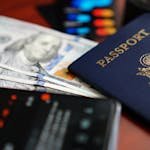

France consistently ranks among the most visited countries in Europe, attracting travelers with its iconic landmarks, diverse landscapes, and rich cultural heritage. However, a smooth trip to France requires more than just booking flights and accommodations. Careful pre-departure planning is essential, encompassing everything from ensuring your travel documents are current to understanding local payment methods and preparing for potential transportation disruptions. This article provides a comprehensive checklist to help you finalize arrangements and arrive in France prepared to enjoy your journey, focusing on the critical steps to take before you fly.
Passport, ETIAS, and Entry Requirements: A Pre-Flight Verification
Confirming the validity of your travel documents is the foundational step in preparing for a trip to France. For citizens of many countries, including those in North America, Australia, and New Zealand, a valid passport is the primary requirement. However, it’s crucial to verify the passport’s expiration date. Most European Union countries, including France, require passports to be valid for at least three months beyond your intended departure date from the Schengen Area, with two blank pages available for stamps. Failing to meet this requirement could result in being denied entry. A passport expiring on, for example, October 26th, 2024, would likely be insufficient for a trip starting November 27th, 2024, even if the return date is within the Schengen Area’s 90-day limit. Beyond the passport, anticipate the implementation of the European Travel Information and Authorisation System (ETIAS). ETIAS will require pre-travel authorization for visa-exempt travelers once it launches, but its start date has slipped repeatedly — the EU removed its “last quarter of 2026” target in July 2026, and 2027 now looks most likely. While currently not in effect, it’s vital to monitor the official ETIAS website for updates and to register when the system launches. The ETIAS authorization is expected to cost €20 for travelers aged 18 to 70 — under-18s and over-70s are exempt from the fee but must still apply — and will be valid for three years, allowing multiple entries into the Schengen Area. Pre-registration, available through the “Travel to Europe” app, can streamline the process upon arrival, though it doesn’t replace the need for a valid passport. Finally, remember that visa requirements vary significantly based on nationality. Travelers from countries outside the visa-waiver programs will need to apply for the appropriate visa through the French embassy or consulate well in advance of their trip. Confirm the specific visa type required based on the duration and purpose of your stay, and factor in processing times, which can often extend several weeks or even months. A short-stay tourist visa typically requires proof of accommodation, return flight tickets, and sufficient funds to cover your expenses, with processing often taking 15-45 days.
Transportation Logistics: Trains, Cars, and City Travel
France boasts a robust and efficient transportation network, but pre-booking is often essential, especially during peak seasons. The high-speed train network, TGV, is a particularly convenient way to travel between major cities like Paris, Lyon, and Marseille. To secure the best fares, it’s advisable to book tickets three to four months in advance. The SNCF Connect website is the official platform for purchasing train tickets and checking schedules. A Paris to Marseille TGV ticket can range from €50 to €150 depending on the class and booking time. For those planning to explore the countryside, renting a car offers greater flexibility. However, driving in major cities like Paris can be challenging due to traffic congestion and limited parking. Parking in central Paris can easily exceed €20 per day, and the “Zone à Faibles Émissions” (ZFE) restricts access for older, more polluting vehicles. If you choose to rent a car, familiarize yourself with French driving regulations, including speed limits and required documentation, such as a valid driver’s license and international driving permit if required. The standard speed limit on motorways is 130 km/h, reduced to 110 km/h in wet weather. Within cities, public transportation systems, including metros, trams, and buses, are readily available and efficient. Paris, for example, has an extensive metro network that covers most of the city. A Navigo Découverte pass, costing around €30 per week, provides unlimited travel within zones 1-5, covering central Paris and surrounding areas. Consider purchasing a travel pass or using contactless payment options for ease of use. Understanding these options and booking in advance where possible will significantly reduce stress upon arrival and allow for seamless travel throughout France.
Accommodation and Regional Considerations: From Paris to Provence
Securing accommodation in advance is crucial, particularly during peak tourist seasons. France offers a wide range of options, from budget-friendly hostels and guesthouses to luxurious hotels and charming bed and breakfasts. The availability of accommodations can vary significantly depending on the region. In popular destinations like Paris and the French Riviera (Côte d’Azur), it’s essential to book several months in advance, especially if you have specific preferences regarding location or amenities. A standard double room in a centrally located Paris hotel during peak season can easily cost upwards of €200 per night. Beyond Paris, consider the regional nuances when choosing accommodation. In the Loire Valley, chateaux hotels offer a unique experience, often priced between €150-€300 per night, while in Alsace, traditional guesthouses provide a glimpse into local culture, typically ranging from €80-€150 per night. In Corsica, coastal resorts cater to beachgoers, with prices varying significantly depending on the season and location, while in the French Alps, ski chalets provide a cozy retreat, costing from €1000 per week during peak ski season. When booking, pay attention to cancellation policies and any additional fees. Some establishments may require proof of accommodation for visa applications, so it’s prudent to have this information readily available. Furthermore, consider the proximity of your accommodation to transportation hubs and attractions to minimize travel time and maximize your sightseeing opportunities. A hotel near a metro station in Paris, for example, can save significant time and money compared to one further away requiring bus or taxi travel.
Financial Preparations: Currency, Cards, and Tax Refunds
The official currency of France is the Euro (€). ATMs are widely available in cities and towns, providing convenient access to cash. Credit cards, particularly Visa and Mastercard, are widely accepted in most establishments, including hotels, restaurants, and shops. Contactless payment is increasingly common, making transactions quick and easy. However, it’s always a good idea to have some cash on hand for smaller purchases or in situations where credit cards are not accepted. A typical lunch in a Parisian bistro might require around €20-€30, and smaller shops or markets may prefer cash. Before your trip, notify your bank and credit card companies of your travel dates to avoid any issues with card usage. Also, inquire about any foreign transaction fees that may apply; these can range from 1-3% of the transaction amount. For non-EU residents, France offers a VAT (Value Added Tax) refund system known as “détaxe.” This allows you to reclaim a portion of the VAT paid on purchases over €100. To qualify, you must present the purchase receipts and a tax refund form at the airport before departure. The refund can be received as a check or directly to your credit card. The standard VAT rate in France is 20%, so a €500 purchase could yield a refund of approximately €100. Be aware that certain items, such as food and accommodation, are not eligible for VAT refunds. Familiarizing yourself with these financial aspects will ensure a smooth and stress-free experience when making purchases and managing your finances in France.
Language and Cultural Awareness: Essential Phrases and Etiquette
While English is spoken in many tourist areas, learning a few basic French phrases can significantly enhance your travel experience and demonstrate respect for the local culture. Simple greetings like “Bonjour” (hello) and “Merci” (thank you) go a long way. Other useful phrases include “S’il vous plaît” (please), “Excusez-moi” (excuse me), and “Parlez-vous anglais?” (Do you speak English?). Beyond language, understanding French customs and etiquette is important. Politeness and formality are highly valued, so addressing people with “Monsieur” (sir) or “Madame” (madam) is customary. Table manners are also important; keep your hands above the table and avoid speaking with your mouth full. Tipping is not mandatory, but it’s customary to round up the bill or leave a small tip for exceptional service, typically around 5-10%. Be aware of local customs regarding dress code, particularly when visiting religious sites. Modest attire is generally expected in churches and cathedrals, often requiring covered shoulders and knees. Demonstrating cultural sensitivity will not only enrich your travel experience but also foster positive interactions with locals. For example, attempting to order in French, even with a limited vocabulary, is often appreciated and can lead to more attentive service.
Final Checks: Insurance, Digital Documents, and Emergency Contacts
Before heading to the airport, conduct a final review of your preparations. Travel insurance is highly recommended, providing coverage for unexpected events such as medical emergencies, trip cancellations, or lost luggage. Ensure your policy covers your planned activities and destinations. A comprehensive travel insurance policy can cost between €50-€150 depending on the duration and coverage level. Digitize important documents, such as your passport, visa, travel insurance policy, and flight confirmations, and store them securely on your smartphone or in the cloud. This provides easy access in case of loss or theft. Share your itinerary with a family member or friend and provide them with emergency contact information. Familiarize yourself with the local emergency numbers, including the police (17), fire department (18), and medical assistance (15). Additionally, download offline maps and translation apps to your smartphone for use without an internet connection. Confirm any COVID-19 related travel restrictions or vaccination requirements that may be in place. Finally, double-check your packing list to ensure you have all the necessary items, including appropriate clothing, toiletries, and any medications you require. A universal adapter is essential, as France uses Type E plugs. By completing these final checks, you can minimize potential issues and embark on your French adventure with confidence.
Potential Disruptions and Contingency Planning
Even with meticulous planning, unexpected disruptions can occur. France, like any country, is susceptible to occasional strikes, particularly within the transportation sector. These can significantly impact train schedules and air travel. Regularly check the SNCF Connect website and airline websites for updates on potential disruptions. Having a flexible itinerary and alternative transportation options in mind can mitigate the impact of a strike. Similarly, be aware of potential protests or demonstrations, especially in major cities. While generally peaceful, these events can cause traffic congestion and disruptions to public transportation. Monitor local news and social media for information. Petty theft, particularly pickpocketing, is a concern in tourist areas. Be vigilant with your belongings, especially in crowded places, and avoid displaying expensive jewelry or electronics. Keep a copy of your passport and other important documents separate from the originals. Finally, be prepared for potential delays or cancellations due to weather conditions, especially during winter in the Alps or during periods of heavy rainfall. Having travel insurance that covers these events can provide financial protection and assistance with rebooking flights or accommodations.
Keep planning: more guides in Step 3: Book Reservations, Prepare to Travel.
Sources and Further Reading
This article was researched and written from the published sources below. Prices, schedules, and entry rules change often, so check the current position at the source before booking.
- How to plan a first trip to France: a step-by-step checklist catterfly.com
- Things to do before leaving France prasanthragupathy.com
- Before you travel to France gitelink.com
- Pre-departure checklist before a trip to France prasanthragupathy.com
- The ultimate expat pre-departure checklist france-fi.com
- Where to shop in France catterfly.com
- Getting around France: trains, buses and car rentals catterfly.com
- Best time to visit France: weather and seasonal tips catterfly.com
- tripprof.com
- viatravelers.com
- en.wikivoyage.org
- wherearethosemorgans.com
This article is for informational and educational purposes only. Always verify current travel requirements with official government sources before making travel decisions.