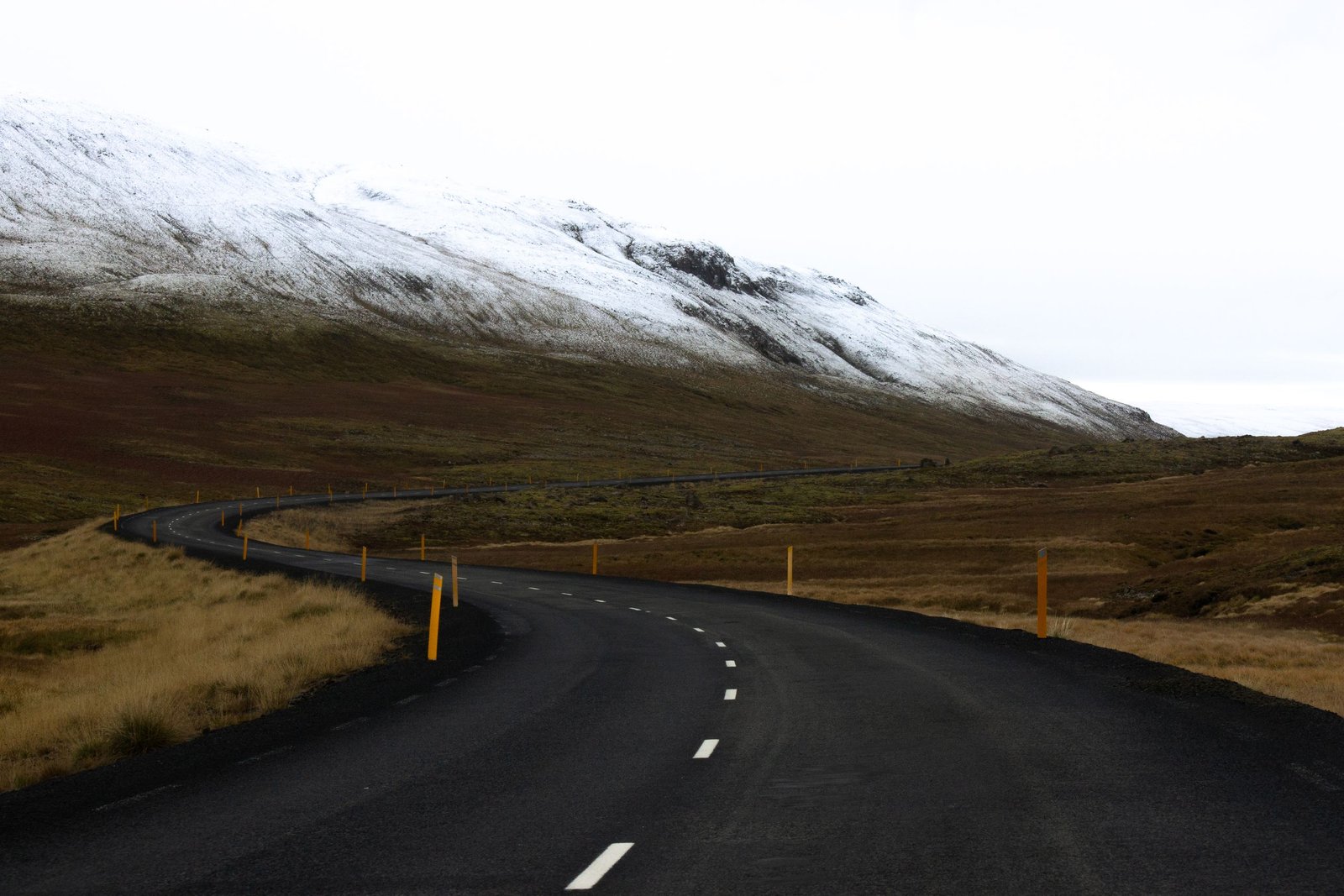
Imagine you are standing at the crossroads of endless possibilities, each path leading to a different corner of the world, each destination promising unique experiences and unforgettable memories. Yet, the thought of embarking on such a journey can be daunting, especially when you consider the myriad of factors that come into play. From securing the right visa to navigating cultural differences, planning a trip can feel like a daunting task. However, with careful preparation, thoughtful planning, and a dash of creativity, you can turn your travel dreams into reality, no matter where your heart desires to go. Here’s how to lay the groundwork for a trip that is both memorable and seamless.
Research Your Destination Thoroughly
The first step in planning any journey is gathering comprehensive information about your chosen destination. This includes understanding the local culture, customs, and traditions. For instance, if you are planning a trip to Japan, it’s essential to know about the bowing etiquette and the importance of removing shoes before entering homes or certain establishments. Furthermore, researching the local flora and fauna can enrich your experience, especially in biodiverse regions like the Amazon rainforest or the Great Barrier Reef.
The most popular experiences in your destination – walking tours, skip-the-line tickets, and day trips – start selling out 4–6 weeks ahead of peak season. Here’s what other travelers are booking for your destination. Viator

Another critical aspect of your research should be the local attractions. Whether it’s a historic city like Rome or a bustling metropolis like New York City, every destination offers a unique set of activities and attractions. Planning ahead and booking experiences such as museum visits, theme park tickets, or concert reservations can save you time and money. Many cities offer City Passes, which provide discounted access to multiple attractions, making your planning process more efficient.
Google Maps and other digital tools can be invaluable in this stage, allowing you to mark locations of interest and plan your routes efficiently. For example, if you are planning a trip to Paris, you might want to map out your visit to the Louvre, the Eiffel Tower, and the Notre-Dame Cathedral. By doing so, you can optimize your travel time and ensure you do not miss out on the highlights.
Furthermore, staying informed about local events and festivals can greatly enhance your travel experience. Whether it’s the Oktoberfest in Munich or the Carnival in Rio de Janeiro, timing your trip around such events can provide a unique perspective on the local culture. Engaging with local communities through social media platforms like TripAdvisor or Reddit can also offer insights into the must-see spots and hidden gems of your destination.
Prepare Your Travel Documents and Itineraries
Once you have a clear idea of your destination and attractions, the next step is to prepare your travel documents and itineraries. This includes securing your travel documents such as passports, visas, and vaccination certificates. For example, if you are traveling to a country like India, you will need a visa which can take several weeks to process. Similarly, some countries may require specific vaccines, such as the yellow fever vaccine for travel to certain parts of Africa and South America.
Creating a detailed itinerary is also crucial. This should include not only your flight and accommodation bookings but also a list of essential documents like hotel and flight confirmations, important contacts, and emergency information. Printing out this information can be a lifesaver in case you lose your electronic devices. Additionally, consider sharing your itinerary with a trusted friend or family member, providing them with a way to contact you in case of an emergency.
Moreover, preparing for potential travel disruptions is a wise move. This includes knowing your airline’s policies for lost luggage or delayed flights, as well as understanding the local emergency numbers and medical facilities. For instance, in case of an emergency in the United States, you should know that dialing 911 will connect you to local emergency services.
By meticulously preparing your travel documents and itineraries, you can ensure that your trip runs smoothly, minimizing the stress and maximizing the enjoyment of your adventure.
Select Your Gear Wisely
Packing the right gear is essential for a comfortable and enjoyable trip. Overpacking can lead to unnecessary stress and inconvenience. For example, bringing an extra suitcase when you only need a backpack can hinder your mobility and make travel more cumbersome. The key is to pack only what you need, adjusting your expectations to match the reality of your destination.
Travel experts often recommend packing versatile and lightweight clothing that can be mixed and matched to create different outfits. This is particularly useful when traveling to destinations with varying climates, such as a trip from the hot and humid Singapore to the cooler highlands of Malaysia. Opting for items that can be layered, like a light jacket and a scarf, can help you adapt to different weather conditions without overburdening your luggage.
In addition to clothing, consider the essential travel gadgets that can enhance your experience. A portable power bank, for instance, can ensure your devices stay charged during long days of exploration. Similarly, a water bottle and reusable shopping bag are practical items that can help reduce waste and promote sustainability.
By carefully selecting your gear and adjusting your expectations, you can travel with ease and enjoy the journey without the burden of unnecessary items.
Stay Flexible and Adaptable
While planning ahead is crucial, being flexible and adaptable is equally important. Not every detail can be planned, and unexpected events can and do happen. For instance, a sudden change in weather might affect your outdoor plans, or a local event might create an opportunity for spontaneous exploration.
One way to stay flexible is by leaving some time open in your itinerary for unplanned activities. This allows you to seize opportunities as they arise and enjoy the spontaneous aspects of travel. For example, if you are in London and the weather is unexpectedly sunny, you might decide to take a boat tour along the Thames, an activity you hadn’t initially planned.
Additionally, engaging with local communities and asking for recommendations can lead to authentic experiences that you might not find in guidebooks. For instance, a local might recommend a hidden street market or a lesser-known cultural event that offers a unique insight into the local way of life.
By embracing flexibility and adaptability, you can turn unexpected situations into opportunities for discovery and enjoyment.
Stay Informed and Updated
Throughout your trip, staying informed and updated is crucial. This includes keeping an eye on local news and travel advisories, as well as being aware of any changes in regulations or policies. For example, entry requirements or health guidelines can change rapidly, especially during times of pandemic or other emergencies.
Using reliable sources for updates can help you stay ahead of any potential disruptions. Websites like the CDC and the World Health Organization provide up-to-date travel health advisories and recommendations. Similarly, local tourism boards and government websites offer valuable information on safety measures, local events, and practical advice.
Moreover, maintaining regular communication with your support network back home can provide a sense of security and peace of mind. Sharing your itinerary and staying in touch with friends or family members can be a comforting practice, especially in unfamiliar territories.
By staying informed and updated, you can navigate any challenges that come your way with confidence and ease.
FAQ
Q: How can I stay connected while traveling to a country with limited internet access?
A: Staying connected in areas with limited internet can be challenging, but there are several solutions. One effective option is to rent a portable Wi-Fi device from your travel provider or a local shop. These devices can provide reliable internet access for your entire trip. Additionally, many hotels offer complimentary Wi-Fi, and public spaces like cafes and libraries often have free or low-cost internet access.
Q: What should I do if my travel plans change suddenly?
A: If your travel plans change suddenly, it’s important to stay calm and flexible. First, check if your travel insurance covers changes or cancellations due to unforeseen circumstances. Next, contact your travel provider to discuss your options. Many airlines and hotels offer flexible booking policies that allow you to change or cancel your reservations at no additional cost. Finally, keep an open mind and consider the opportunities that arise from the change in plans.
Q: How can I avoid common travel scams?
A: Avoiding travel scams requires awareness and caution. Always research and book your accommodations and tours through reputable sources. Be wary of individuals offering deals that seem too good to be true. If you’re unsure about a service, ask locals or your hotel for recommendations. Additionally, keep your personal documents secure and make copies of important items. Finally, trust your instincts and avoid situations that feel suspicious.
This article is for informational and educational purposes only. Always verify current travel information, visa requirements, entry rules, and health guidance with official government sources and qualified professionals before making travel decisions.