
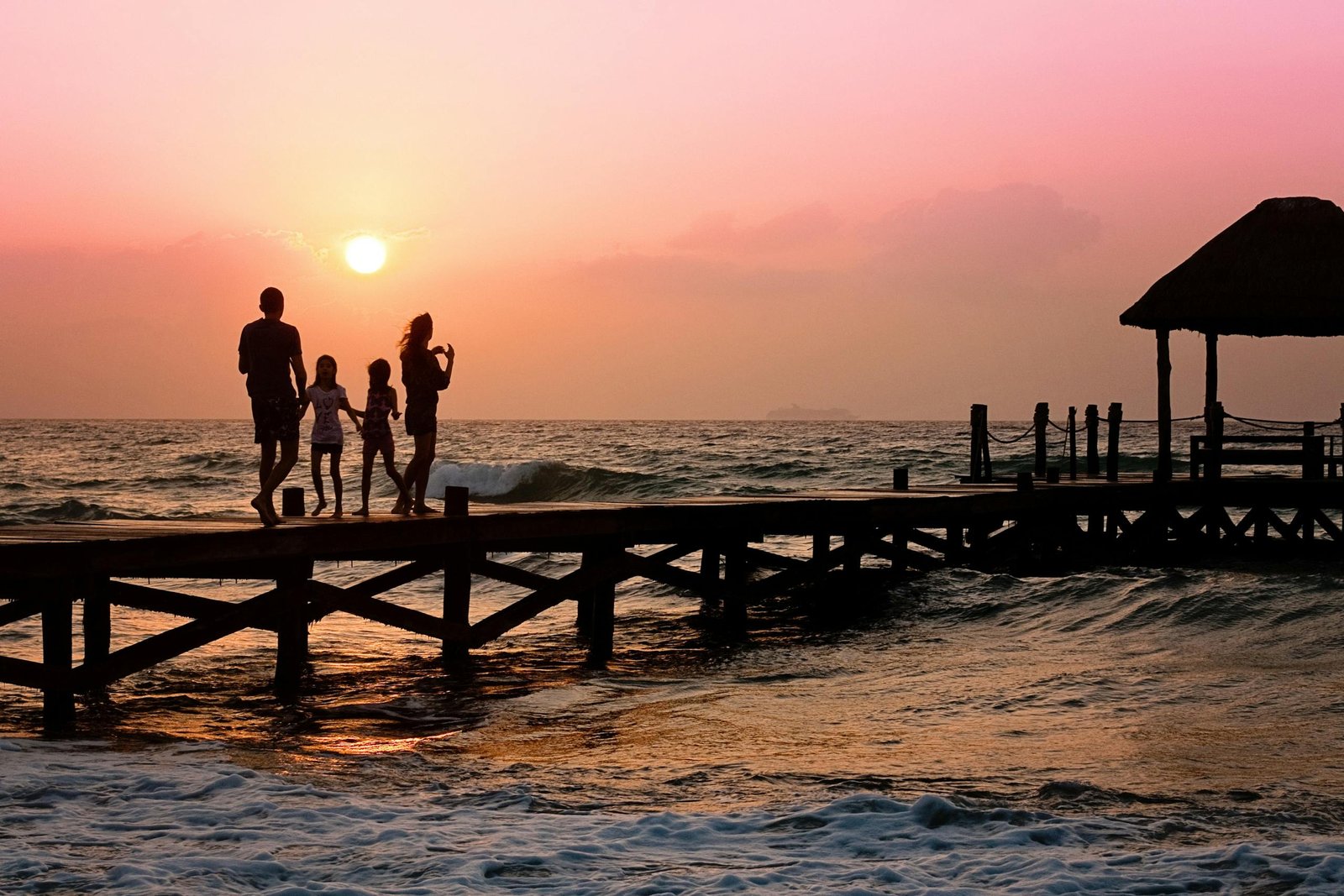
Imagine this: Your family’s vacation is a cacophony of mismatched expectations. The teens demand a tech-savvy city break, the grandparents whisper about a serene beach retreat, and the kids are lobbying for a theme park marathon. Somewhere in the middle, you’re frantically Googling “how to stop family vacations from turning into family fights.” Sound familiar? The secret to a trip that unites instead of unravels? Strategic planning that balances flexibility with foresight. Let’s break it down.
Align Expectations and Set a Realistic Budget
Start by holding a family meeting where everyone voices their must-haves and dealbreakers. Your 12-year-old might insist on a Minecraft-themed hotel room, while your partner dreams of a quiet winery tour. The goal isn’t to please everyone but to find intersections—like a coastal town with both a theme park and a vineyard district. Use a shared document (Google Sheets works wonders) to track preferences and financial boundaries.
Be brutally honest about your spending limits. If you’re eyeing an all-inclusive resort in Mexico but can’t justify the cost, consider a mid-range hotel with a free cancellation policy. Google Flights will give you a quick read on what the flights actually cost, which is usually the number that decides whether a destination is realistic at all.
Don’t forget to account for hidden costs—rental cars, activity deposits, and travel insurance. A buffer of 10–15% in your budget can prevent panic if a storm cancels a beach day or a museum closes unexpectedly. The key is to prioritize: Splurge on experiences that matter most (like a private guided tour for history-loving parents) and trim less critical expenses (opting for a hotel breakfast over costly resort fees).
Need document info for kids? Travel Documents: Passports, Visas & Permits →
This exercise isn’t just about money—it’s about setting the tone. When everyone understands the financial guardrails, it fosters cooperation. Next, let’s tackle the most contentious decision of all: choosing the destination.
Choosing a Destination That Satisfies Every Generation
Destinations are rarely neutral. What thrills a teen might bore a grandparent, and vice versa. The answer? Pick a location with diverse offerings. Consider Costa Rica, where you can zip-line through rainforests by day and unwind at a spa by night. Or Orlando, which blends theme parks, cultural museums, and family-friendly resorts. Look for destinations with a range of intensity, places where you can scale the day up or down to match energy levels, like Barcelona, where kids can explore Park Güell while adults sip cava at a nearby bodega.
Use Google Maps to scout ahead. Zoom into neighborhoods to assess walkability, safety, and proximity to attractions. If you’re traveling with elderly relatives, look for wheelchair-accessible paths and areas with ample seating. For families with toddlers, search for parks and playgrounds near your potential accommodations. The real magic happens when you layer this research with your family’s input. Create a shared map where each person pins their dream spot—this visual collaboration often reveals unexpected compromises.
Don’t overlook the power of a “theme.” A road trip through California’s wine country can satisfy foodies, adventurers, and relaxers alike, while a multigenerational cruise offers structured activities and free time in equal measure. A multi-city rail pass can do the same job anywhere the rail network is good, letting a family move between cities without repeating the whole airport experience each time.
Once you’ve zeroed in on a destination, the next challenge is finding a place to stay that feels like home for everyone. Let’s explore how to pick the perfect accommodation.
Pick Accommodations That Feel Like Home
Your lodging is the anchor of your trip. For families, it’s not just about beds—it’s about space, accessibility, and proximity to what matters. Look for hotels or vacation homes with amenities like full kitchens, laundry facilities, and common areas where everyone can gather. A family suite at a resort like Marriott’s Resorts or all-inclusive villas in the Caribbean can eliminate the daily grind of restaurant-hopping while giving each generation autonomy.
For multigenerational trips, consider resorts with multiple room types. Some, like Hyatt’s Grand Hyatt Maldives, offer private pool villas for parents and interconnected rooms for kids. If you prefer local charm, Airbnb and Viator list properties with verified accessibility features, such as step-free entrances or elevators. A rental with its own space for the children, a pool or a yard or a games room, often buys the adults more genuine rest than a hotel does.
Proximity to attractions is another key factor. A hotel in central Paris might save time and money compared to staying on the outskirts and renting a car. Use Google Travel to compare walkability and transit options. If you’re near a major city, consider bed and breakfasts or guesthouses that offer personalized service—many hosts are happy to share insider tips for both kids and seniors.
Once you’ve secured lodging, it’s time to plan the actual adventures. But here’s the trick: Don’t over-schedule. The next section will show you how to balance excitement with downtime.
Plan Activities That Balance Excitement and Downtime
Family vacations are most enjoyable when they blend structured fun with spontaneous relaxation. Start by categorizing activities as “must-dos” and “nice-to-dos.” For example, in Kauai, Hawaii, a snorkeling trip at Tunnels Beach might be a must for teens, while a gentle hike along the Nā Pali Coast suits grandparents. Reserve the “nice-to-dos” for days when energy levels are high or unexpected opportunities arise, like a local festival or street fair.
Use platforms like Viator and GetYourGuide to book tours tailored to different interests. Many now offer family packages—think kid-friendly guides for historical sites or multigenerational cooking classes in Italy. For active families, adventure companies in destinations like Queenstown, New Zealand provide scalable experiences, from gentle bike rides to jet boating.
Block out downtime in your itinerary. After a morning of sightseeing, designate an afternoon as “free time” for napping, reading, or exploring on your own. This is especially crucial for multigenerational groups—your 80-year-old grandma might not want to chase after your 8-year-old niece all day. A hotel with a pool or spa can be a lifesaver, offering a neutral zone where everyone can recharge.
Flexibility is your friend. If a storm hits Cancun or a museum closes in Lisbon, pivot. Use the extra time to explore a local market or try a new restaurant. The goal isn’t perfection—it’s creating shared memories without the pressure. Let’s now shift focus to the logistical details that can make or break a trip.
Master the Logistical Details Without Losing Your Mind
Transportation, luggage, and time zones—these details are the unsung heroes (or villains) of a smooth trip. Start with flights: Nonstop routes minimize stress, especially with young kids or elderly travelers. Use Google Flights to track price trends, and consider flexible booking options in case of cancellations. On one Disney World trip Steve went further than price alerts and skipped the flights altogether, driving the family instead. The saving was real, but the drive mattered for a second reason covered further down.
For ground transportation, research local options. In cities like London or Tokyo, public transit is efficient and cost-effective. For groups with mobility needs, book a private transfer through your hotel or a trusted service like Sixt. Don’t forget to pack smart: Use luggage scales to avoid overweight fees, and invest in a portable charger for devices. A printed itinerary (yes, printed!) can be a lifesaver if Wi-Fi fails.
Time zones and jet lag are often underestimated. If you’re traveling internationally, adjust your sleep schedule a few days before departure. On the flight, give kids melatonin gummies (consult a pediatrician first) and let adults catch up on rest. Upon arrival, prioritize hydration and avoid overexertion until your body adapts. These small steps can prevent a jet-lagged family from turning into a short-tempered one.
With logistics locked in, you’re ready for the final stretch: ensuring every generation feels included and valued. Let’s explore how to do just that.
Ensure Every Generation Feels Included and Valued
Multigenerational trips thrive when everyone feels seen. Assign roles to family members to foster engagement. Let your teen handle the playlist for the car ride, your grandma share stories about her youth, and your partner organize a surprise outing. Involving everyone in decision-making builds a sense of ownership and reduces resentment. Creating a “family captain” role for the day works well to delegate tasks like packing snacks or navigating the subway.
Accommodate different paces and interests. In Italy, for instance, split the group: parents explore Florence’s art museums while kids take a guided bike tour. Meet for dinner at a family-friendly trattoria where everyone can share highlights. If you’re all together, pick activities with “low floors and high ceilings”—like a beach day, where you can swim, build sandcastles, or simply read in the shade.
Don’t underestimate the power of small gestures. Surprise your teenagers with a dessert stop they’ll love, or arrange a quiet morning for your grandparents to sip coffee on a balcony. These moments of individualized attention turn a good trip into a great one. The final step? Letting go of perfection and embracing the messiness of travel with those you love.
What Family Travel Actually Looked Like for Us
Steve has traveled solo, with friends, and with family, and family travel is genuinely its own category. What makes it different is that the variables multiply. How many people are going, how long the trip runs, how far the destination is, and what the trip is actually for — change any one of those and the whole plan changes with it.
Most of our family trips were vacations to the East and West Coasts of the United States, and the two coasts ended up being planned in completely different ways.
Driving to Disney World Instead of Flying
For Disney World, Steve drove the family rather than flying everyone. The cost case was straightforward: airfare multiplied by every family member added up to considerably more than the drive.
The part that turned out to matter, though, was not the money. The drive became part of the trip. The younger members of the family saw stretches of the country they would otherwise have passed over at thirty-five thousand feet, and that turned transit time into something with its own value.
That is the real trade. Driving spends time to buy money and experience. Flying spends money to buy time. Which one is right depends on which of those you have more of, and neither answer is wrong.
When Flying Made More Sense
West Coast trips went the other way: fly to the destination city, then pick up a rental vehicle to get around once there. The distance made driving impractical, but the destination still needed a car.
That combination is worth planning as one decision rather than two. Booking the flights without arranging ground transport leaves a family standing in an arrivals hall with luggage and no way to reach the hotel.
The Infant Changes the Arithmetic
Traveling with young children adds logistical load. Traveling with an infant adds a category of its own: a stroller, a car seat, and a long list of other items that are not optional.
None of it is difficult on its own. All of it together changes what you can physically carry, what size vehicle you need, and how long every single transition takes — through security, between gates, in and out of the rental car. Build that into the schedule rather than discovering it at the airport.
Snacks and Activities Are Not a Nice-to-Have
The most useful thing Steve packed when flying with children was snacks and activities. Not for the flight alone — for the long gate wait before it, and for the delays nobody planned for.
The reason this matters more than it sounds: entertained children mean the adults can pay attention to something else. Gate changes, rebooking, luggage, directions, the unexpected problem that needs solving right now. When the children are occupied, one adult can go and deal with it instead of the whole group managing a meltdown in a terminal. It buys the group capacity at exactly the moment it needs it most.
FAQ: Answering Your Burning Questions
What’s the best destination for a family with mixed interests?
Look for places with diverse activities, like California (beaches, theme parks, redwoods) or Japan (temples, ski resorts, theme parks). These destinations let you tailor each day to different ages and preferences.
How do I budget for unexpected expenses?
Add a 10–15% buffer to your total budget. Use a budgeting app to track spending in real time, and keep a cash emergency fund for small, last-minute needs.
How can I keep kids entertained without breaking the bank?
Opt for free or low-cost activities like local parks, self-guided museum tours, and DIY scavenger hunts. Many cities offer family passes or discounted admission for children.
Should I hire a travel advisor?
Yes, especially for complex trips. A good advisor can book family-friendly accommodations, arrange private guides, and handle logistics. Look for advisors with recognised industry credentials and, more importantly, real experience with the kind of trip you are planning. Note that ESTA is the United States travel authorisation for visa-waiver visitors, not an advisor certification.
This article is for informational and educational purposes only. Always verify current travel information, visa requirements, entry rules, and health guidance with official government sources and qualified professionals before making travel decisions.
Your next step
Planning an International Trip with Kids Under 10 →