
What Is an eSIM and How Does It Work?
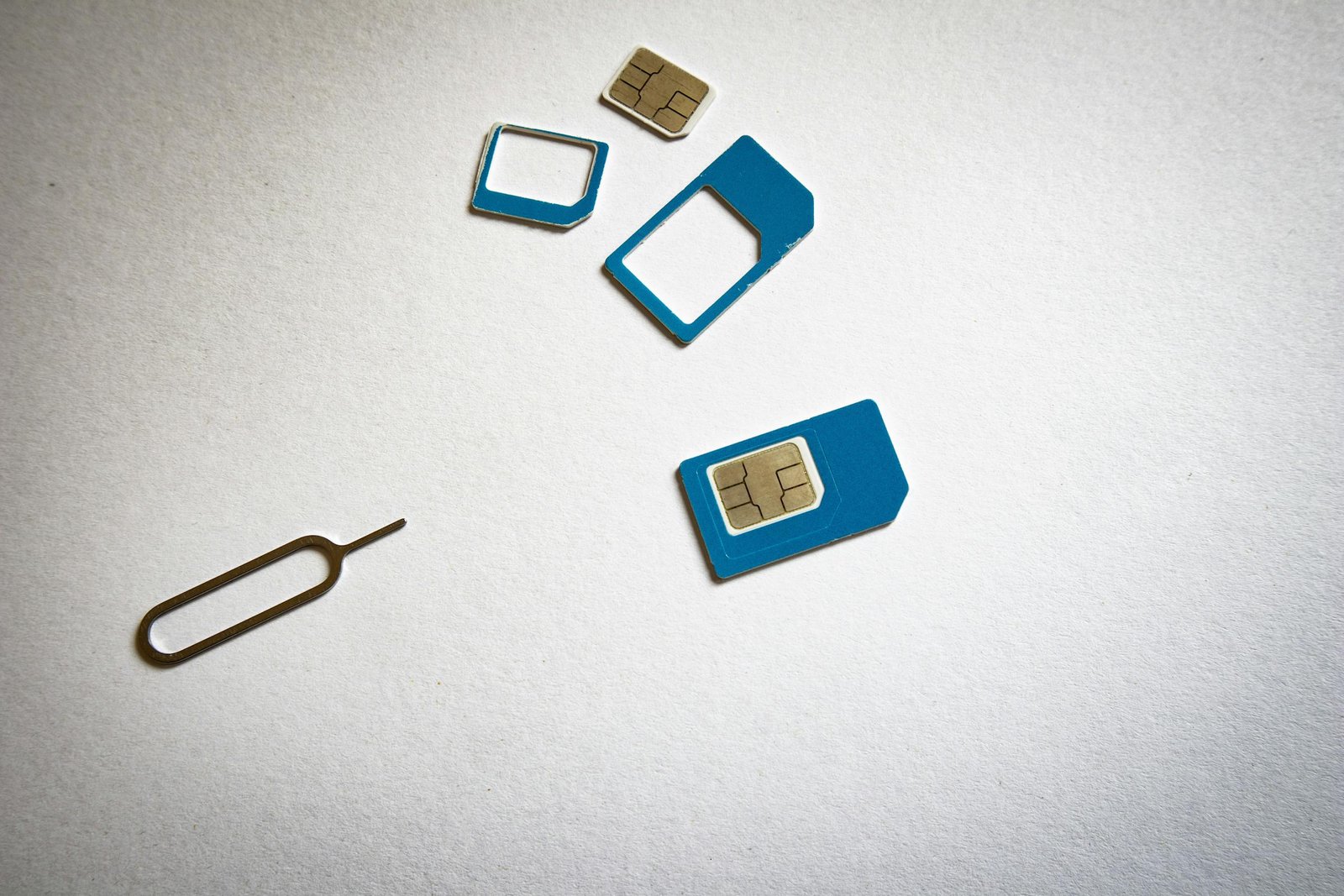
An embedded SIM (eSIM) is a digital SIM card that eliminates the need for a physical nano-SIM. Unlike traditional SIM cards, which require a physical slot and manual swapping, eSIM technology is soldered directly into a device’s circuitry. This innovation allows users to activate mobile plans remotely through software, enabling seamless transitions between networks without changing hardware. The technology has been gradually adopted by smartphone manufacturers, with Apple, Google, and Samsung leading the charge. For travelers, eSIMs represent a paradigm shift in connectivity—offering flexibility, cost efficiency, and convenience.
The core functionality of an eSIM hinges on its ability to store multiple carrier profiles simultaneously. This means a single device can switch between domestic and international data plans without needing a physical card. For instance, an iPhone user in the U.S. can activate an eSIM for a European trip and revert to their domestic carrier upon returning—all through a few taps in the settings menu. This eliminates the hassle of purchasing, carrying, and inserting physical SIM cards, which can be lost or damaged. According to Apple’s support documentation, eSIMs also reduce the risk of data plan lock-ins, as users can compare and activate plans from various providers in real time.
For international travelers, eSIMs bridge the gap between traditional roaming costs and the logistical challenges of local SIM cards. Instead of paying exorbitant fees for international data roaming or hunting for SIM card vendors in unfamiliar cities, users can download a plan tailored to their destination. This is particularly advantageous in countries with complex SIM card regulations or limited availability, such as Japan or certain European nations. The technology also benefits frequent flyers who require consistent connectivity across multiple regions.
Pros and Cons of Using an eSIM for Travel
The advantages of eSIMs for travelers are undeniable. First and foremost, they eliminate the need for physical SIM cards, reducing clutter and the risk of loss. A 2026 analysis by travel blogger Anna highlights that eSIMs can be significantly cheaper than international roaming plans, especially for users without T-Mobile subscriptions. For example, regional eSIM providers often offer competitive rates for data-heavy activities like streaming or video calls, which are essential for modern travelers. Additionally, eSIMs enable users to maintain their home number while simultaneously using a local data plan—a feature particularly useful for business travelers or those coordinating with local contacts.
However, eSIMs are not without limitations. One major drawback is carrier compatibility. While Apple and Android devices now support eSIMs, not all models or manufacturers have adopted the technology. Older smartphones, in particular, may lack eSIM functionality, forcing users to rely on traditional SIM cards. Additionally, some countries impose restrictions on eSIM usage, particularly in regions with strict telecom regulations. For example, travelers to China may face challenges activating eSIMs due to government-mandated carrier approvals.
Another consideration is the flexibility of data plans. While eSIM providers often offer tiered pricing, users must manually activate and manage these plans. This contrasts with physical SIM cards, which can be swapped instantly when a plan expires. For those who prefer spontaneity or have unpredictable travel itineraries, this lack of immediate hardware replacement might be a drawback. Despite these nuances, the benefits of eSIMs—particularly their convenience and cost savings—make them a compelling choice for many international travelers.
Setting Up an eSIM for International Travel
Configuring an eSIM is a straightforward process for compatible devices. On an iPhone, for example, users can activate an eSIM by visiting the Settings app, navigating to “Cellular,” and selecting “Add Cellular Plan.” From there, they can either scan a QR code provided by their eSIM provider or manually enter the profile details. Once activated, the device will automatically connect to the selected network, allowing immediate data usage. This process typically takes less than five minutes and requires no physical hardware changes.
For Android users, the setup varies slightly depending on the device model. Most eSIM-enabled Android phones, such as the Samsung Galaxy S24 or Pixel 8, feature a dedicated “SIM & Network” section in the settings menu. Here, users can download and activate their eSIM profile using a QR code or manual configuration. It’s essential to verify device compatibility before purchasing an eSIM, as not all Android models support dual SIM functionality.
When choosing an eSIM provider, travelers should prioritize coverage in their destination countries. Providers like Airalo, Holafly, and SimOptions offer region-specific plans that optimize connectivity. For example, a traveler visiting Italy could download a plan covering the EU, ensuring seamless data access in multiple countries. It’s also wise to check for top-up options, as many providers allow users to extend their data plans remotely. This flexibility is invaluable for trips that exceed initial estimates or require additional connectivity.
Real-World Use Cases: eSIMs in Action
Consider a traveler arriving in Rome for a week-long trip. Upon landing, they activate an eSIM plan covering Italy and neighboring EU countries. This eliminates the need to visit a local SIM vendor, saving time and avoiding potential language barriers. The eSIM ensures stable data access for navigation, translation apps, and social media updates. If the traveler decides to extend their stay into France, the same eSIM plan remains valid, offering continuous connectivity without additional setup.
For business travelers, eSIMs streamline communication across time zones. Imagine a professional attending a conference in Tokyo who needs to stay reachable for calls back home. By activating a Japan-specific eSIM, they maintain their domestic number while using a local data plan for cost efficiency. This dual functionality is particularly beneficial for those requiring seamless transitions between work and leisure.
eSIMs also enhance safety and accessibility in remote regions. A hiker trekking through Patagonia, for instance, can rely on an eSIM to share their location with emergency contacts. Unlike physical SIM cards, which may be damaged during outdoor activities, eSIMs are integrated into the device and less prone to physical wear. This reliability is critical in areas with limited infrastructure.
Frequently Asked Questions About eSIMs
**Is an eSIM better than a physical SIM for travel?**
For most travelers, eSIMs offer superior convenience. They eliminate the need to carry physical cards, reduce activation time, and provide flexible data plans. However, physical SIM cards remain useful in regions with limited eSIM support or for users requiring immediate hardware swaps.
**Can I use an eSIM in multiple countries?**
Yes, many eSIM providers offer region-wide coverage. For example, a single eSIM plan can cover all EU countries, making it ideal for multi-destination trips. Always verify the provider’s coverage map to ensure compatibility with your itinerary.
**What if my eSIM data plan runs out?**
Most eSIM providers allow users to purchase additional data remotely. This “top-up” feature ensures uninterrupted connectivity, even if your initial plan expires mid-trip. Always check the provider’s policies before departure.
**Do I need to inform my home carrier about using an eSIM?**
No. Activating an eSIM does not interfere with your home carrier plan. Your primary SIM remains active, and the eSIM functions as a separate data line. This dual-SIM capability is a key advantage of the technology.
Conclusion
eSIM technology has redefined how travelers manage connectivity abroad. By offering cost efficiency, flexibility, and ease of use, eSIMs address many of the frustrations associated with traditional SIM cards and international roaming. While challenges like carrier restrictions and device compatibility remain, the benefits far outweigh the drawbacks for most users. As adoption grows, eSIMs are likely to become the standard for global travel, making it easier than ever to stay connected without the clutter of physical hardware.
This article is for informational and educational purposes only. Always verify current travel information, visa requirements, entry rules, and health guidance with official government sources and qualified professionals before making travel decisions.