Picture this: you arrive at the baggage claim area of a bustling international airport, your hands cradling a single, slightly dented carry-on bag. Next to you, a family unloads three overstuffed suitcases, one of which has already split open, spilling toiletries and rolled socks across the conveyor belt. This scene, played out daily across airports worldwide, captures the heart of the packing dilemma: how to balance practicality with preparedness. Whether you’re a minimalist traveler or someone who prefers to be over-equipped, the decision between packing light and packing everything shapes the quality of your journey.
The Dilemma of Packing Decisions
The tension between minimalism and thoroughness is not just about space—it’s about mindset. A traveler who prioritizes packing light often seeks freedom, reduced stress, and the simplicity of fewer choices. Conversely, those who pack everything aim to eliminate the possibility of oversight, ensuring they’re ready for any scenario, from a sudden downpour to an impromptu weekend extension. Both approaches have their merits, but the key lies in aligning your packing strategy with the specifics of your trip, your personal habits, and the realities of modern travel logistics.
For instance, a week-long business trip to Tokyo demands a different approach than a month-long backpacking adventure through Patagonia. In the former, efficiency and space-saving (think travel-sized toiletries and multi-purpose clothing) are paramount. In the latter, durability and redundancy (extra layers, a backup power bank) become non-negotiable. The challenge is not in choosing one philosophy over the other, but in understanding when each is most effective.
This decision also intersects with broader travel trends. The rise of carry-on-only travel, fueled by airlines’ strict baggage policies and travelers’ desire to avoid fees, has pushed many toward lighter packing. Yet, the same travelers might rely on shipping services like The UPS Store to send forgotten items or bulky gear to their destination, blending convenience with preparedness.
Packing for more than one climate? How to Pack for Multiple Climates in One Trip →
The Case for Packing Light
Packing light is an art form, and it requires a disciplined approach. The most compelling argument for minimalism is the physical and psychological relief it brings. A lighter bag means fewer strains on your back, easier navigation through crowded train stations, and a reduced risk of lost or mishandled luggage.
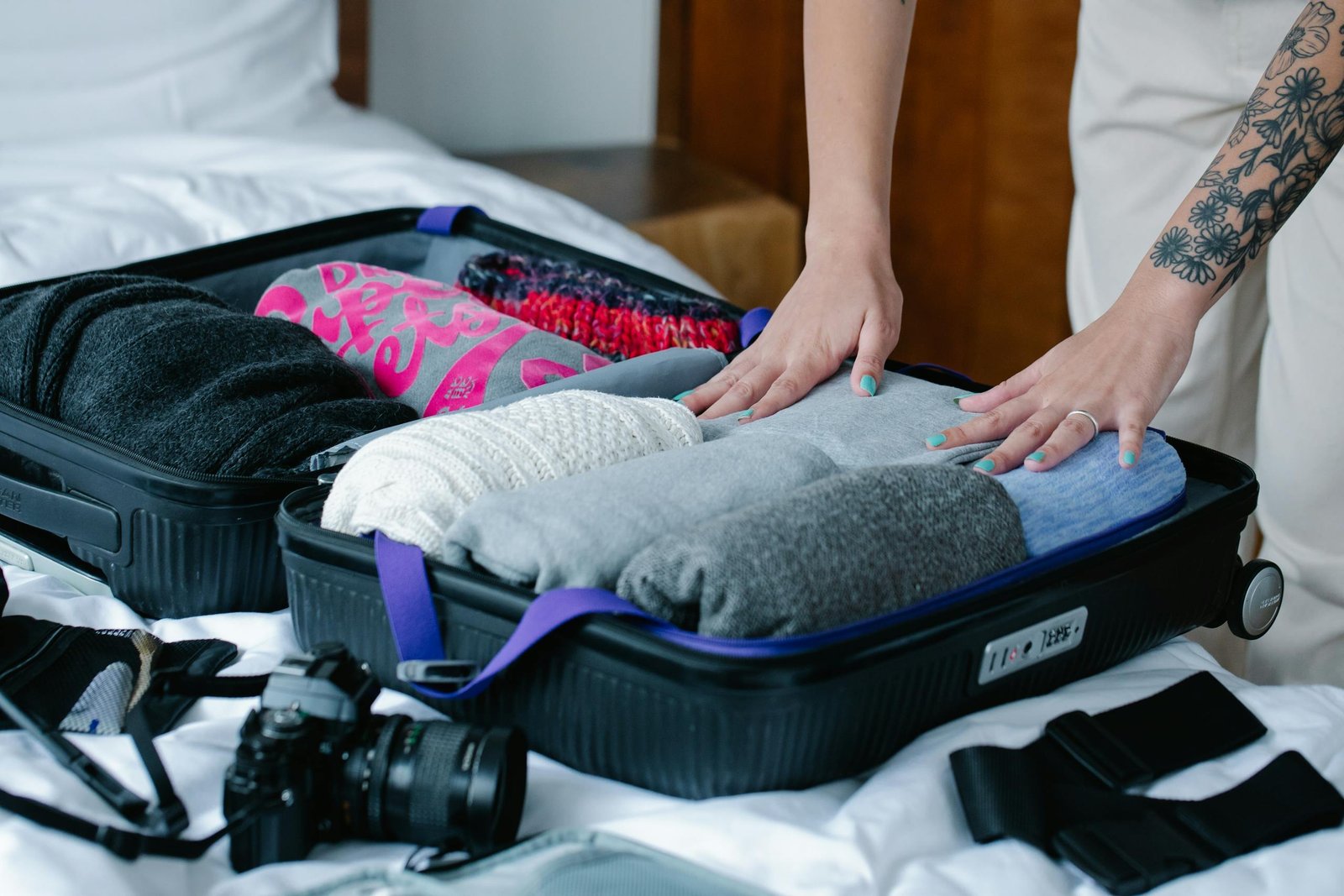
Practical techniques abound. Rolling clothes instead of folding saves space and prevents wrinkles. Layering versatile items—such as a lightweight scarf that doubles as a shawl, blanket, or pillow—adds functionality without bulk. Better Homes & Gardens emphasizes the importance of a “packing plan,” where travelers categorize essentials (medications, electronics, travel documents) and non-essentials (novels, souvenirs) to avoid overpacking. This method ensures that every item has a clear purpose.
Moreover, packing light aligns with the growing trend of “destination-specific” travel. When visiting a single climate zone, such as the Mediterranean in summer, a curated selection of breathable, neutral-toned clothing can be paired endlessly. The Ultimate Travel Packing Checklist from TheVacationer recommends starting with the basics—underwear, socks, toiletries—and building upward, resisting the urge to add items that feel “just in case.” This approach not only reduces weight but also sharpens decision-making skills, teaching travelers to prioritize what truly matters.
Yet, the minimalist strategy is not without its challenges. A single oversight—like forgetting a passport or a hair dryer—can derail a trip. This is where digital tools come into play. Cloud storage for travel documents, portable power banks, and compact, multi-functional tools (think a universal adapter with a built-in data cable) mitigate the risks of underpacking. The key is to embrace the philosophy of “less but better,” ensuring that every item is both necessary and high-quality.
The Case for Packing Everything
For some, the idea of packing light feels reckless. The traveler who insists on “being prepared” might stock their suitcase with a full-sized first-aid kit, a compact sewing kit, and a change of clothes for every day. This strategy is not about excess but about minimizing the variables that could disrupt a journey. SmarterTravel notes that packing mishaps range from “inconvenient” (forgetting a swimsuit in the Caribbean) to “disastrous” (leaving a passport at home), and thorough packing is the best defense against these scenarios.
Consider a trip to a remote location with limited shopping options, such as a safari in Botswana or a trek in the Andes. Here, bringing everything—extra batteries for cameras, a portable water filter, and a lightweight rain jacket—can mean the difference between a seamless experience and a logistical nightmare. Similarly, families traveling with young children benefit from packing everything, as delays in restocking essentials like diapers or medication are simply not feasible.
Services like The UPS Store also cater to this philosophy. Their certified packing experts can help assemble and ship items to a destination, offering a hybrid solution for those who want to pack light but still have access to bulky or last-minute purchases. For example, a traveler might ship a suitcase with non-essentials to their hotel in advance, reducing their carry-on burden while ensuring they have everything they need. This model bridges the gap between minimalism and thoroughness, offering flexibility without compromise.
However, the “pack everything” approach requires discipline. Without a checklist or organizational system, it’s easy to overstuff a suitcase with unnecessary items. SmarterTravel‘s downloadable checklist is invaluable here, categorizing essentials by trip type and offering reminders for often-forgotten items like travel insurance documents or emergency contact information. The goal is to be comprehensive without being excessive, a balance that requires careful planning.
Finding the Middle Ground
For most travelers, the optimal strategy lies somewhere between extremes. This middle ground—what Better Homes & Gardens calls a “smart, intentional packing plan”—combines the efficiency of minimalism with the security of thoroughness. It begins with a clear understanding of the trip’s requirements and the traveler’s personal needs. A business traveler might pack light but include a few extra formal shirts for meetings, while a family might pack everything but use rolling duffles to organize items by category.
Tools like the Ultimate Travel Packing Checklist from TheVacationer are essential for this approach. The checklist is divided into sections for clothing, electronics, toiletries, and documents, each with subcategories that guide travelers through the decision-making process. For instance, under “clothing,” it suggests including “3-5 versatile tops” and “2 pairs of shoes,” while under “electronics,” it recommends a “portable charger” and “universal adapter.” These prompts encourage thoughtful choices rather than blind accumulation.
Another technique is the “30-minute packing rule,” which limits the time spent selecting items to avoid overthinking. By setting a timer and focusing on core essentials, travelers can avoid the paralysis of choice. This method is particularly effective for those prone to overpacking, as it forces a prioritization of what’s truly necessary. For example, a traveler might spend 30 minutes packing for a three-day weekend, resulting in a single carry-on that includes everything from a change of clothes to a compact first-aid kit.
Ultimately, the middle ground is about adaptability. It acknowledges that no packing strategy is perfect and that adjustments may be needed mid-trip. This mindset reduces stress and fosters a sense of control, allowing travelers to focus on the experience rather than the logistics. Whether it’s sending a forgotten item via The UPS Store or purchasing a small necessity at a local market, the ability to improvise is as valuable as the items packed in the suitcase.
FAQ
How do I decide between packing light and packing everything?
Start by evaluating your destination, trip duration, and personal preferences. For short stays or destinations with readily available amenities, packing light is ideal. For longer trips or remote locations, a more thorough approach may be necessary. Use a checklist to identify essentials and avoid impulse additions.
What should I prioritize when packing?
Focus on multi-use items and non-negotiable essentials. For clothing, choose versatile, mix-and-match pieces. For toiletries, opt for travel-sized versions or solid alternatives. Always pack travel documents, medications, and a portable charger, as these are non-replaceable in many situations.
How can I avoid overpacking without feeling unprepared?
Use the “30-minute packing rule” to limit decision-making time. Stick to a checklist and mentally categorize items as “need” versus “want.” If in doubt, leave it behind—most items can be purchased or replaced at the destination.
What should I do if I forget something essential?
Stay calm and assess options. Many items can be bought locally or ordered online. Services like The UPS Store allow for last-minute shipping, and hotels often provide basic toiletries or loaner items. Travel insurance can also cover replacement costs in emergencies.
Conclusion
The choice between packing light and packing everything is not a binary one but a dynamic process shaped by context, experience, and flexibility. By understanding the strengths and limitations of each approach, travelers can craft a strategy that enhances their journey without becoming a burden. Whether you’re a minimalist who thrives on simplicity or a thorough planner who values preparedness, the goal is the same: to arrive at your destination with confidence, ease, and the essentials that matter most.
This article is for informational and educational purposes only. Always verify current travel information, visa requirements, entry rules, and health guidance with official government sources and qualified professionals before making travel decisions.
Your next step
The Carry-On Packing List for a Two-Week Trip →