Planning a trip to Switzerland surfaced two decisions that don’t show up on most checklists: what camera gear was actually worth bringing, and how to get local cash without losing money to fees at the airport.
Decide on Camera Gear Before You Pack, Not After
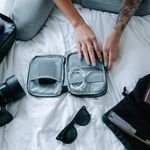
I knew going in that I wanted a lot of photos, and that my phone camera, good as modern phone cameras are, wasn’t going to be enough for what I wanted to capture. So I brought a DSLR, a few lenses, a mini tripod, and several spare batteries and memory cards. That added real bulk to my carry-on backpack, but it stayed manageable. I made sure that the batteries and electronics were in my carry-on and not a checked bag to comply with airline safety standards and prevent a scramble at the airport checkin counter trying to find and remove batteries from the checked bag.
The decision worth making during planning, not the week before, is whether photography matters enough to you to change your packing math. Camera gear adds weight and bulk, and spare batteries and memory cards deserve their own checklist line, since they’re easy to forget and hard to replace once you’re in a small alpine village.
On charging: Switzerland’s own outlets are a Swiss-specific 3-pin design called Type J, but the standard 2-pin Europlug adapter that already covers most of continental Europe fits Type J sockets without a problem. Check what your existing travel adapter puts out before buying a Switzerland-specific one you probably don’t need. I found a quality travel adapter on Amazon and it arrived well before I left home.
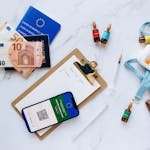
Worried about Switzerland documents? Your Travel Document Backup Safety System →
Get Cash the Way That Doesn’t Cost You the Difference
My research turned up two things worth knowing before you land. First, not every business takes credit cards, especially in small towns and mountain huts, so you’ll want Swiss francs on hand. Second, the currency exchange counters at Zurich Airport don’t always give you the best rate once their fees are factored in, while using an ATM gets you the bank-approved exchange rate without those fees. But, some ATMs do charge a fee too, so before you decide how to get local currency, take some time to research which option will be best for you.
So when I landed in Zurich, I skipped the exchange counter, found an ATM, and withdrew enough for a few days of expenses rather than cash for the whole trip at once.
The Swiss Travel Pass Decision, Already Covered
We ran the real numbers on the actual price ladder we faced and why we bought the 15-day Swiss Travel Pass — that math doesn’t change just because you’re staying in one country instead of comparing two.
Pack for the Altitude, Not Just the City
Even in summer, temperatures at elevations above 3,000 meters in the Swiss Alps can sit near freezing, so pack layers you can add or shed rather than one heavy jacket. UV exposure is also stronger at altitude, so sunscreen and real sunglasses belong on the list even on a cool day. Additionally, realize that being at altitudes for extended periods of time, when you are normally used to lower altitudes can result in feeling tired, loss of breath, and sometimes headaches.
Know the Number Before You Need It
Dialing 112 works as the general emergency number in Switzerland, and it connects even with no SIM credit. Switzerland also runs direct lines: 117 for police, 118 for fire, 144 for ambulance. If you’re heading into the mountains, one more is worth writing down: 1414, Swiss Air-Rescue (Rega), for search and rescue.
If a guided alpine hike or a photography-focused excursion is on your list, that’s worth comparing options for before you go rather than sorting it out once you land.
The Checklist I Used for My Trip to Switzerland
- Camera gear packed, with spare batteries and memory cards, if photography matters to your trip.
- Adapter checked against Type J — a standard 2-pin Europlug adapter usually already works.
- Cash plan set: withdraw from an ATM on arrival rather than exchanging at the airport counter.
- Swiss Travel Pass decision made — see our Switzerland vs. Austria comparison for the real math.
- Altitude layers and sun protection packed if the Alps are on your itinerary.
- Emergency numbers noted, including 1414 for mountain search and rescue.
Before and After This Step
For planning the trip itself, see our Switzerland destination guide and the booking and preparation step. And since your documents matter as much as your gear, it’s worth setting up a document backup system before you go. If you don’t already have a planning document to check everything against, our Free Trip Planner Starter gives you a structure for one.
This article is for informational and educational purposes only. Always verify current travel requirements with official government sources before making travel decisions.
Your next step
Switzerland →