Most Portugal packing lists could be for anywhere: lightweight clothing, comfortable walking shoes, a light jacket. The trouble is that Portugal makes specific demands, and the generic list misses all of them. You will walk more than you planned, much of it on stone that gets genuinely treacherous when wet, along an Atlantic coast that behaves nothing like the Mediterranean trip people imagine they are packing for.
I have walked the Portuguese coast twice on the Camino de Santiago and spent time in Porto, Braga, Viana do Castelo, and Valença. Here is what actually mattered, starting with the thing I got wrong the first time.
The Footwear Lesson That Took Me Two Caminhos
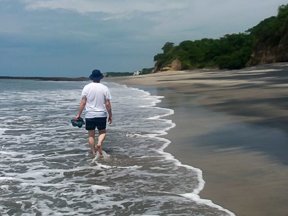
On my first Camino I walked 280 kilometres from Porto to Santiago de Compostela over 21 days, following the coast through Matosinhos, Vila do Conde, Póvoa de Varzim, Esposende, Marinhas, Viana do Castelo, Âncora, Moledo, and Caminha.
I did the preparation properly. I bought waterproof hiking boots a few months ahead and deliberately wore them in, walking in them locally for many days before leaving so there would be no surprises. The boots held up across all 21 days, and I would not call them a mistake.
Worried about Portugal documents? Your Travel Document Backup Safety System →
But they had a flaw I never thought to check for. The soles did not adequately protect my feet from the small stones along the way. Not sharp rocks or rough terrain, just the ordinary loose gravel that covers long stretches of the route. Every stone came through. I ended up taking many short breaks simply to give my feet a rest, and those stops shaped the rhythm of my days more than any blister or hill did.
For my second Camino a few years later, I went the other direction from the conventional advice. I wore ASICS trail running shoes with a stone blocker layer built into the sole. They were lighter than the boots, and they protected my feet from small stones considerably better. They were not waterproof off the shelf, so I treated them with a waterproofing spray before I left home.
That is the part worth taking away. Everyone tells you to buy sturdy waterproof boots and break them in. The breaking-in advice is right and I would do it again. But waterproofing is a problem you can solve with a can of spray, while underfoot stone protection is built into the sole or it isn’t. If you are walking any distance in Portugal, look for a rock plate or stone blocker layer before you look at the waterproof label, and weigh the shoe in your hand while you are at it.
The Rain Gear I Stopped Carrying
The same pattern repeated with rain, and the answer surprised me just as much.
On the first Camino we carried both a small umbrella and a sturdy reusable poncho. Over 21 days we used both, on different occasions, so neither was dead weight exactly. But the poncho had a problem nobody warns you about. It kept the rain off and we ended up pretty much soaking wet anyway, from sweat and humidity building up underneath it. On a damp Atlantic coast, in a garment designed to seal you in, walking hard enough to generate heat, you get wet either way. The poncho just changed which direction the water came from.
So on the solo Camino I left the poncho at home and saved the weight. I took the small umbrella alone, and I made one change that mattered more than the item itself: I stowed it in an easily accessible outside pocket of my backpack, where I could reach it and put it to use without taking the pack off. When rain arrives mid-stride, the difference between gear you can deploy in five seconds and gear that requires stopping, unclipping, and unpacking is the difference between using it and just getting wet.
That is worth generalising beyond rain gear. For anything you might need while actually moving, where it lives in your pack is part of the packing decision, not an afterthought once you have finished packing.
Portuguese Streets Are Their Own Packing Problem
This matters even if you never walk a step of the Camino, because it applies to the cities too. On my second trip I flew into Porto and spent several days just walking the city, and Portuguese city walking is its own discipline.
The culprit is calçada portuguesa, the mosaic limestone pavement that covers footpaths across the country. It is beautiful and it is genuinely hazardous: the stone is noted for being particularly slippery, a condition worsened by natural wear and by rain, since decades of foot traffic polish it smooth. The same source notes loose stones, moss growing in the cracks, and puddles collecting in worn sections. Porto began replacing some of it back in 2005 for exactly these reasons.
So when a packing list says “comfortable walking shoes” for Portugal, the word that matters is grip, not comfort. Smooth-soled shoes, leather soles, and anything with a heel are a bad idea on wet calçada. If you are bringing one nice pair for dinners out, make it one you can actually stand up in on a rainy evening.
It’s the Atlantic, Not the Mediterranean
Portugal gets described as a Mediterranean destination constantly, and its entire coastline is Atlantic. That is not a trivia point, it is a packing instruction.
Walking north along the coast from Porto, the wind off the ocean was a daily factor in a way it simply is not on a Mediterranean beach holiday. Conditions change quickly, mornings can be cool and grey before turning bright, and the water is bracing rather than balmy even in warm months. Inland is a different climate again: when I travelled to Braga, away from the coast, it felt like a noticeably different place to dress for than the shoreline a short bus ride away.
Pack accordingly. A wind-resistant outer layer earns its place more reliably than a heavier coat, and layering beats any single warm item, because you will likely want different combinations before and after lunch on the same day.
Border Rules Have Changed, So Check Before You Go
Pre-departure paperwork for Portugal is not what it was a couple of years ago, and this is the section most older checklists get wrong.
The EU’s Entry/Exit System is now fully operational as of 10 April 2026. For non-EU travellers it means biometrics at the border: a facial image, plus fingerprints for anyone aged 12 or over. Usefully, there is nothing to arrange in advance, but it is worth expecting the extra step on arrival rather than being surprised by it.
ETIAS, the separate travel authorisation for visa-exempt nationalities, is a different matter. It is planned at €20, free for under-18s and over-70s, and it will need to be applied for online before travelling. It is not yet accepting applications and no start date has been announced. When I checked the official ETIAS site before my most recent trip, that was still the case. Check the official position against your own travel dates rather than trusting any article, this one included. For everything else document-related, our travel document backup system is worth setting up before you fly.
The Portugal Packing List That Actually Earns Its Place
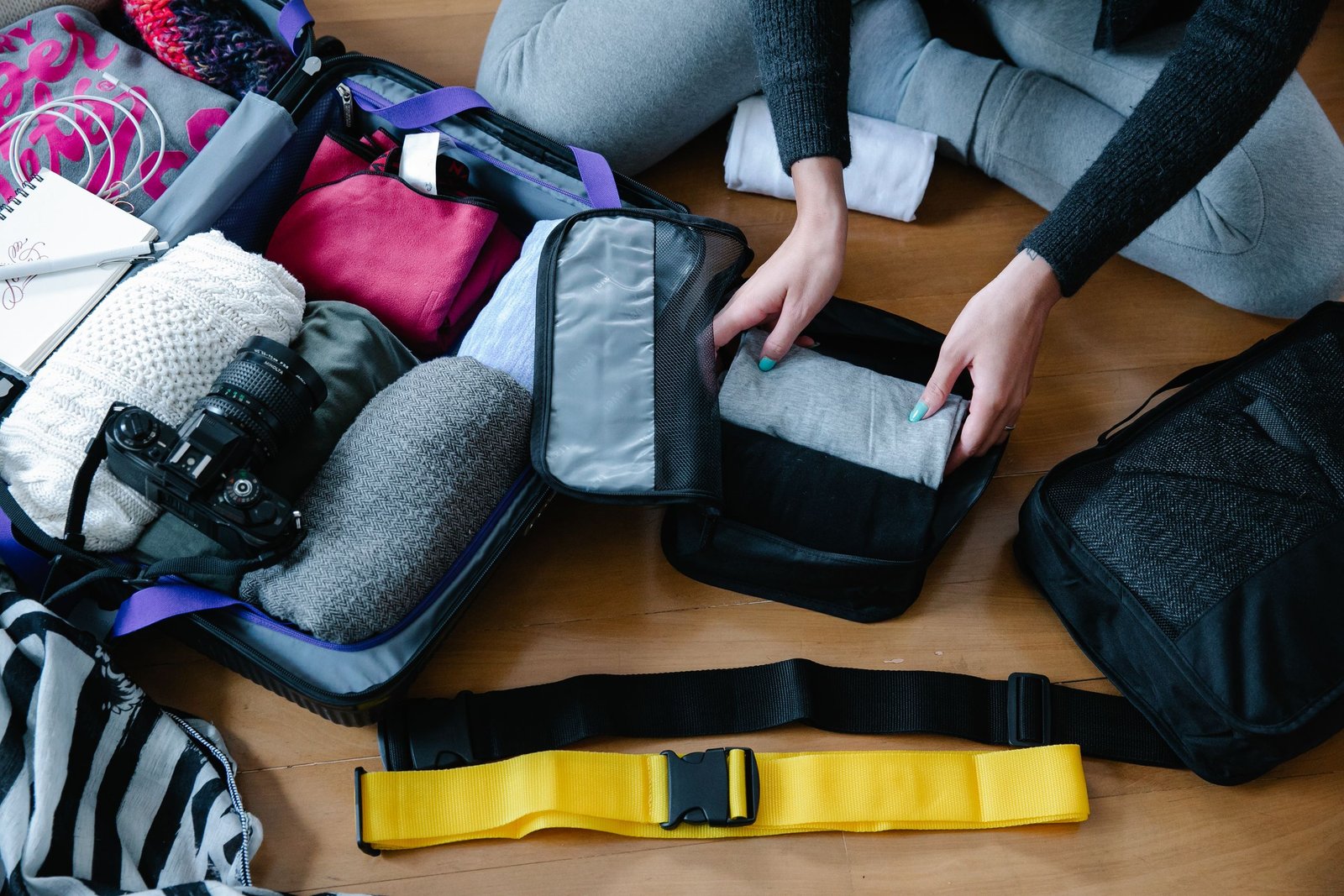
Skipping the toothbrush-and-deodorant items you already know to bring, here is what is specific to Portugal:
- Shoes with real grip and underfoot protection. The single highest-impact item on this list. A rock plate if you are walking distances, a non-slip sole regardless.
- Waterproofing spray rather than insisting on waterproof shoes, which buys you a lighter shoe and a drier one.
- A wind-resistant outer layer for the Atlantic coast, and layers instead of one heavy item.
- A small umbrella, stowed somewhere you can reach without removing your pack. On a humid coast, a sealed poncho can leave you as wet from the inside as the rain would have left you from the outside.
- A Type C or Type F plug adapter. Portugal runs on 230V with the standard European two-round-pin sockets.
- A reusable water bottle. Refilling is easy and you will drink more than you expect on foot.
- Blister care packed before you need it, not bought in a pharmacy mid-trip in a town where you do not speak the language.
- A daypack you can actually walk in if any of your days involve covering ground on foot, which in Portugal they will.
Pre-Departure Checklist
- Documents: passport valid well beyond your dates, travel insurance, and a check on current EES/ETIAS requirements for your nationality.
- Backups: copies of key documents stored separately from the originals.
- Money: a primary card, a backup payment method, and some cash for smaller towns.
- Health: any medications in original packaging, plus the blister kit above.
- Connectivity: an eSIM or local SIM sorted, and offline maps downloaded before you land.
- Footwear: broken in at home, not on day one.
Planning the Rest of the Trip
For more on planning a Portugal trip, see our Portugal destination guide, and our booking and preparation step for everything that comes between deciding to go and actually leaving. If you are lining up somewhere to stay in Porto or along the coast, it pays to compare accommodation prices early, since coastal towns fill up in walking season.
If you would rather work through the whole pre-departure process in order instead of assembling it from scattered lists, our Free Trip Planner Starter walks through it step by step.
Related reading: The Carry-On Packing List for a Two-Week Trip.
This article is for informational and educational purposes only. Always verify current travel requirements with official government sources before making travel decisions.
Your next step
Portugal →