Securing Flights and Understanding Visa Requirements
The first logistical hurdle for any international trip is, of course, securing flights. Japan’s major international gateways are Narita (NRT) and Haneda (HND) in Tokyo, Kansai International Airport (KIX) in Osaka, and Chubu Centrair International Airport (NGO) in Nagoya. Booking flights well in advance – typically 3-6 months for peak seasons – is crucial to securing favorable prices, particularly for travel during cherry blossom season (late March/early April) or Golden Week (late April/early May). Beyond price, consider flight duration and layover times, balancing cost savings against travel fatigue. Direct flights from North America, for example, can easily exceed 12 hours, while flights with a layover in a hub city like Seoul or Hong Kong may be cheaper but add several hours to the journey. Budget airlines, while offering lower base fares, often have significant fees for baggage, seat selection, and meals, so factor these into the overall cost.
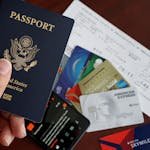
However, before even searching for flights, it’s imperative to ascertain visa requirements. Citizens of many countries, including the United States, Canada, Australia, and most European nations, can enter Japan for tourism purposes for up to 90 days without a visa, provided they hold a valid passport. However, this is subject to change, and specific requirements vary based on nationality. The Ministry of Foreign Affairs of Japan website is the definitive source for current visa information and should be consulted before making any financial commitments. Failure to verify visa eligibility could lead to significant delays or even denial of entry. Beyond the visa itself, make sure your passport is valid for your whole stay and check your airline’s and Japan’s official entry rules for anything further. Some travelers encounter issues if their passport is damaged in any way – even minor tears can lead to problems. It’s also wise to make a digital copy of your passport and store it securely online, in case of loss or theft. For those requiring a visa, the application process can take several weeks, so start well in advance. The type of visa needed depends on the purpose of your visit, with tourist visas being the most common for leisure travelers.
Prioritizing Accommodation: From Traditional Ryokans to Modern Hotels
Once flights are confirmed and visa requirements are understood, accommodation should be the next priority. Japan offers a remarkably diverse range of lodging options, from traditional ryokans (Japanese inns) to sleek, modern hotels and budget-friendly hostels. Ryokans provide a unique cultural experience, featuring tatami-mat flooring, futon beds, and onsen (hot spring baths). However, they tend to be more expensive than Western-style hotels and may require some adjustment for travelers unfamiliar with Japanese customs. A night in a ryokan that includes breakfast and dinner usually costs noticeably more than a standard hotel room, so price it out before you commit. Be aware that onsen etiquette requires nudity, and tattoos are often prohibited (though some ryokans now offer private onsen or allow small, covered tattoos).
In major cities like Tokyo and Kyoto, hotel availability can be limited, particularly during peak seasons. Booking well in advance – ideally 4-6 months – is highly recommended. Consider location carefully; proximity to train stations is a significant advantage, given Japan’s excellent public transportation system. Different neighborhoods offer distinct atmospheres, catering to varying preferences. Shibuya and Shinjuku in Tokyo are known for their vibrant nightlife and shopping, while Kyoto’s Gion district offers a more traditional and serene experience. Researching neighborhood characteristics will help you choose accommodation that aligns with your travel style. Don’t overlook options like business hotels, which offer clean, comfortable, and affordable lodging, often with convenient locations. Capsule hotels, while extremely minimalist, provide an even more budget-friendly option. Be aware that space in these hotels is limited, and they are not suitable for those with claustrophobia or large luggage. Consider the size of your luggage when choosing accommodation, as many Japanese hotels have smaller rooms than those in Western countries.
In Tokyo I chose to stay outside the downtown core to keep costs down and rode the metro in each day, which worked well because I was never far from a station. In Hiroshima I stayed at a hotel with an onsen on the property, an easy way to try a hot spring without booking a full ryokan.
Getting Around: Do You Really Need the Japan Rail Pass?
Japan has one of the world’s most efficient rail networks, and the Japan Rail Pass (JR Pass) is the most talked-about way to use it. It offers unlimited travel on most JR lines for 7, 14 or 21 consecutive days, but it is not always the cheaper choice. Its value depends entirely on your itinerary, and prices have risen in recent years, so check the official Japan Rail Pass website for the current price, where to buy and exchange it, and which Shinkansen services are covered. The fastest services have required a surcharge on the pass.
I have traveled around Japan several times without a car, and I compared the pass with my actual plans each time. For me it was not cost-effective: individual tickets were easy to buy and fine on price. If your trip is built around long rail legs every few days, the math may go the other way, so list your planned rides, add up the single fares and compare. I walk through that comparison in more detail in Japan Rail Pass vs. Paying Per Trip.
What I did rely on every day was a prepaid IC card (ICOCA, Suica and similar). Buy one and preload it: it makes entering and leaving stations far easier and covers metros and many local buses. Buses that do not take IC cards need cash, and exact change is preferred, though many drivers will make change. The JR ticket machines I used in Hiroshima and Osaka had an English option and accepted both cash and credit cards for single tickets.
Pre-Booking Essential Experiences: Guides and Popular Attractions
While spontaneity has its appeal, pre-booking certain experiences is highly recommended, particularly for first-time visitors. Japan’s popularity as a tourist destination means that popular attractions and activities can sell out quickly, especially during peak seasons. This is particularly true for experiences with limited capacity, such as sumo wrestling matches, traditional tea ceremonies, and guided tours of historical sites. Sumo tickets, for example, are notoriously difficult to obtain and often require purchasing them months in advance through a specialized agency. A tea ceremony is typically booked in advance and priced per person, depending on the location and duration.
The Japan National Tourism Organization (JNTO) highlights the availability of Licensed Guide Interpreters, proficient in ten languages, who can enhance your understanding of Japanese culture and history. Booking a guide, either for a full day or a specific activity, can provide valuable insights and facilitate smoother interactions. These guides can be booked through agencies or directly through national organizations. Similarly, pre-booking tickets to popular attractions – such as the Ghibli Museum in Tokyo or Fushimi Inari Shrine in Kyoto – will save you time and guarantee entry. Online reservation systems are often available, but may require some advance planning and a degree of Japanese language proficiency or the use of translation tools. The Ghibli Museum, in particular, requires tickets to be bought in advance, so check the museum’s official site for how and when tickets are released. Be aware that some attractions may have timed entry slots, so plan accordingly. Failure to pre-book can result in long queues or being turned away at the door.
Connectivity and Essential Travel Tools
Staying connected is essential for navigating a foreign country, accessing information, and communicating with loved ones. While Wi-Fi is increasingly available in public spaces, relying solely on it can be unreliable. Purchasing a local SIM card or utilizing an eSIM (embedded SIM) is a more convenient and cost-effective solution. eSIMs offer the advantage of being activated remotely, eliminating the need to physically swap SIM cards upon arrival. Several providers offer Japan-specific eSIM plans with generous data allowances. Compare data allowances and prices before you choose a plan.
Beyond connectivity, several mobile apps can significantly enhance your travel experience. Google Translate is invaluable for overcoming language barriers, while HyperDia and JapanTravel by Navitime provide comprehensive train schedules and route planning. A currency converter app will help you manage expenses, and a map app with offline capabilities is essential for navigating unfamiliar areas. Download these apps before your trip to save time and data charges. Consider downloading offline maps of cities you plan to visit, as data coverage can be spotty in some areas. A portable Wi-Fi router (pocket Wi-Fi) is another option, providing a dedicated Wi-Fi hotspot for multiple devices, but it requires rental and return.
Understanding Cultural Etiquette and Basic Phrases
While Japan is generally a welcoming and accommodating country, understanding basic cultural etiquette is crucial for demonstrating respect and avoiding unintentional offense. Simple gestures, such as bowing instead of shaking hands, removing shoes before entering homes or temples, and avoiding loud conversations in public spaces, can go a long way. Learning a few basic Japanese phrases – such as “hello” (konnichiwa), “thank you” (arigato), and “excuse me” (sumimasen) – will also be greatly appreciated. While English is spoken in tourist areas, attempting to communicate in Japanese, even with limited proficiency, demonstrates a willingness to engage with the local culture. Familiarizing yourself with these customs will contribute to a more enriching and respectful travel experience, fostering positive interactions and creating lasting memories. Avoid sticking your chopsticks upright in a bowl of rice, as this is associated with funeral rituals. Tipping is not customary in Japan and may even be considered rude. Be mindful of personal space, as Japanese culture values politeness and reserve. Booking a first trip to Japan requires thoughtful preparation, but by prioritizing these key elements, you can ensure a seamless and unforgettable adventure in this captivating country.
Keep planning: more guides in Step 3: Book Reservations, Prepare to Travel.
Sources and Further Reading
This article was researched and written from the published sources below. Prices, schedules, and entry rules change often, so check the current position at the source before booking.
- Japan lonelyplanet.com
- Planning a Trip to Japan? japan.travel
- Planning a Trip to Japan? japan.travel
- theinvisibletourist.com
- jetpacglobal.com
- insideosaka.com
- travellikeaboss.org
- insidekyoto.com
- lonelyplanet.com
This article is for informational and educational purposes only. Always verify current travel requirements with official government sources before making travel decisions.